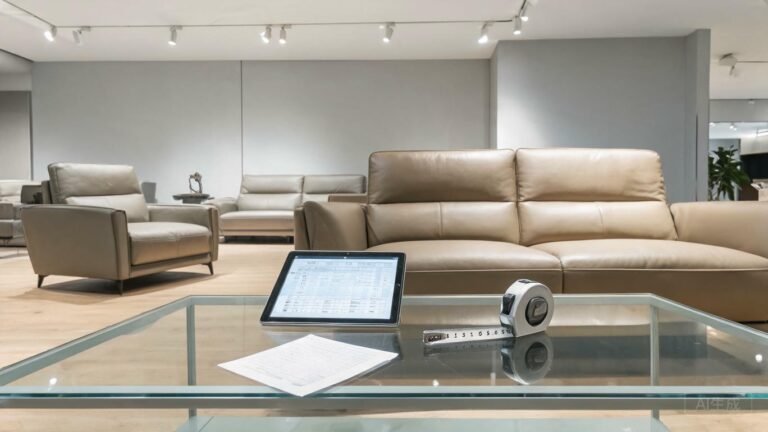
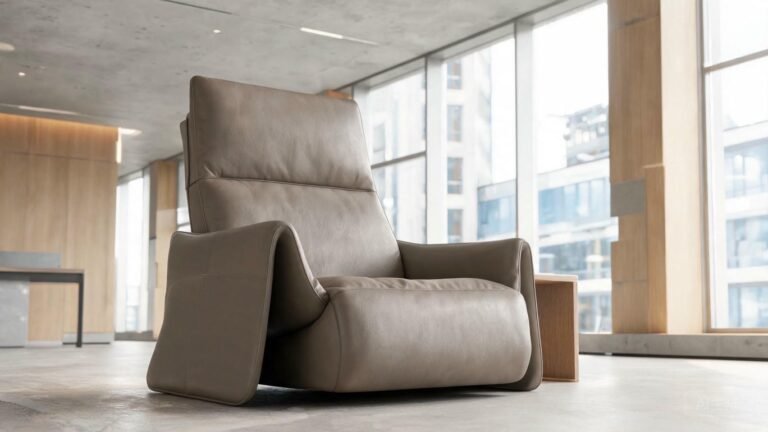
A design team at a European furniture brand spent six months developing an exclusive pebbled texture for their new sofa collection. The hand samples looked stunning under studio lighting. But when the first 3,000-meter production roll arrived, the embossed grain measured 0.3mm shallower than the approved sample — invisible to a casual glance, yet enough to make the entire line look flat under showroom spotlights. That 0.3mm gap between sample and bulk production is where most embossed leather projects quietly fail.
For specifiers and brand designers, embossed texture is not a cosmetic afterthought — it is a functional surface that dictates visual identity, tactile experience, and long-term wear performance. This guide walks through the embossing manufacturing process, pattern categories, durability benchmarks, and custom development workflow so you can specify textured materials with confidence.
What Is Embossed Leather? Understanding the Manufacturing Process
Embossed leather is any leather — genuine, synthetic, or silicone-based — whose surface has been permanently imprinted with a pattern using heated metal rollers or plates. The embossing process works by softening the surface layer under controlled heat, pressing a engraved roller into the material at specific pressure and dwell time, then cooling the surface to lock the pattern in place.
Three variables determine pattern fidelity in the embossed leather manufacturing process: temperature (typically 120–180°C for synthetic substrates, lower for silicone), pressure (measured in bar, applied uniformly across the roller width), and dwell time (contact duration between roller and material). Change any one of these by even a small margin, and the pattern depth shifts — which is exactly what happened in the opening scenario.
For automotive interior applications, where surfaces face daily abrasion, UV exposure, and temperature cycling, the embossing must penetrate deep enough to survive 5–10 years of use without flattening. Budget embossed materials often achieve visual texture through surface coating rather than true embossing — the pattern sits on top rather than being pressed into the material, making it vulnerable to wear-off within months.

Precision embossing rollers — where temperature, pressure, and dwell time determine pattern fidelity
Pattern Types Every Specifier Should Know
Not all embossed leather patterns serve the same purpose. A lychee grain hides scratches on furniture; a fine pebbled texture elevates luxury automotive interiors; a geometric pattern signals contemporary design intent. Understanding these categories helps specifiers match visual goals with functional requirements.
In our texture library, we categorize embossed patterns into four functional groups. Each carries distinct visual effects and durability profiles that influence where the material performs best:
| Pattern Category | Visual Effect | Typical Applications | Durability Risk |
|---|---|---|---|
| Natural grain (lychee, pebbled) | Organic, hides wear marks | Furniture, bags, automotive | Low — deep grain resists flattening |
| Premium animal (cowhide, sheepskin) | Luxury, fine detail | Luxury vehicles, designer furniture | Medium — shallow detail shows wear |
| Geometric / abstract | Modern, brand-distinguishable | 3C accessories, hospitality | Medium — edges collect dirt |
| Custom exclusive | Brand-unique signature | OEM branding, premium lines | Varies — depends on pattern depth |

Lychee grain embossing at macro scale — deep, organic patterns that conceal daily wear marks
Why Texture Durability Separates Premium from Budget
Here is something most texture catalogs will not tell you: embossed patterns are not permanent. Under repeated compression, heat exposure, and friction, the raised portions of an embossed surface gradually flatten. The rate of flattening is the single best predictor of whether your product will look designed or degraded after two years.
Embossed leather texture durability depends on the substrate’s ability to hold dimensional memory. PVC-coated rexine loses embossing fastest — the plasticizer migration that softens the surface also flattens the grain. PU leather holds patterns moderately well but degrades under UV. Silicone-based embossed leather retains pattern depth longest because silicone polymer maintains its elastic memory across temperatures from -40°C to 250°C without plasticizer migration.
In our testing lab, we measure pattern retention using a modified Martindale protocol: after 200,000 abrasion cycles, we measure the remaining embossing depth as a percentage of the original. Premium embossed silicone leather retains 85–92% of original pattern depth. Budget PVC embossed material typically drops below 60% — visible flattening that makes the surface look worn even when the substrate itself has not failed.
Specifier’s checklist: Always request post-abrasion pattern depth data, not just the initial embossing specification. A pattern that looks 0.5mm deep on day one but flattens to 0.2mm after 50,000 Martindale cycles is a design failure waiting to happen.

Warm-tone lychee swatches — color and texture must be evaluated together under multiple light sources
Custom Embossed Leather: From Design Concept to Production Roll
When a brand wants a texture that no competitor can replicate, custom embossed leather development is the answer. The process sounds straightforward — design a pattern, engrave a roller, emboss the material — but each step carries specifiers’ pitfalls that can derail timelines and budgets.
Step 1 — Pattern design and digital rendering. Provide a 2D artwork file, a physical leather sample, or even a mood board. The engineering team converts this into a 3D embossing map that specifies peak height, valley depth, and pattern repeat dimensions. At this stage, specifiers should request a digital simulation showing how the pattern looks under raking light — the lighting condition that reveals depth inconsistencies most brutally.
Step 2 — Roller engraving and sample embossing. The pattern is engraved onto a metal roller using CNC or chemical etching, depending on pattern complexity. A small batch (10–50 meters) is embossed for evaluation. This is where the 0.3mm depth gap typically appears — and where specifiers must hold the line. Measure pattern depth at minimum five points across the roll width using a depth gauge. Any variation beyond ±0.1mm warrants a roller adjustment before bulk production.
Step 3 — Bulk production with consistency monitoring. Once the sample is approved, the roller goes into continuous production. The critical quality control metric is batch-to-batch pattern depth consistency. A reliable supplier provides depth measurements from each production batch. You can read more about this workflow in our existing custom leather texture design guide, which covers the full development timeline.

Custom texture development samples — each iteration refines pattern depth, spacing, and tactile response
Embossed Leather vs Genuine Leather: A Specifier’s Trade-off Analysis
The choice between embossed synthetic leather and genuine leather is not a simple quality hierarchy — it is a trade-off between consistency and authenticity. Understanding these trade-offs helps specifiers make defensible material decisions rather than defaulting to “genuine is better.”
Genuine leather offers natural grain variation that no embossing roller can replicate. Each hide is unique — a feature that luxury brands leverage as authenticity signaling. But that same variation creates sourcing headaches: color matching across hides is difficult, grain consistency within a product line requires careful sorting, and natural imperfections (scars, insect bites) must be cut around, reducing yield by 15–30%.
Embossed leather vs genuine leather comes down to three specifier decisions. First, consistency: embossed synthetic delivers uniform pattern across 1,000+ meters — critical for branded product lines where every unit must look identical. Second, sustainability documentation: genuine leather requires traceability under frameworks like the OEKO-TEX LEATHER STANDARD, while eco-certified embossed materials like silicone leather arrive with REACH, PAHs, and FDA compliance already documented. Third, cost predictability: embossed synthetic pricing is stable per meter, while genuine leather fluctuates with hide market conditions and sorting yield.
Frequently Asked Questions
How long do embossed patterns last on silicone leather?
On high-quality embossed silicone leather, patterns typically retain 85–92% of their original depth after 200,000 Martindale abrasion cycles — the equivalent of 8–12 years of commercial furniture use. The key factor is silicone’s elastic memory: unlike PVC or PU, silicone polymer does not rely on plasticizers for flexibility, so the embossed surface maintains its dimensional shape without flattening or migration. Always request post-abrasion depth retention data from your supplier.
Can I develop an exclusive embossed pattern for my brand?
Yes. The custom development process takes 4–8 weeks from design submission to approved production sample. You provide a 2D artwork, physical sample, or design concept; the engineering team creates a 3D embossing map, engraves a dedicated roller, and produces a pilot batch for your evaluation. The roller becomes your exclusive tooling — no other client can use your pattern. Typical development cost depends on pattern complexity and roller size, but the investment amortizes quickly across production volumes.
Specifying Embossed Leather with Confidence
Embossed leather is where material engineering meets brand identity. The difference between a texture that elevates your product and one that flattens into obscurity comes down to three things: understanding the manufacturing variables that control pattern fidelity, specifying durability benchmarks that go beyond day-one aesthetics, and partnering with a supplier who can deliver exclusive patterns with batch-to-batch consistency. Whether you are embossing a lychee grain for furniture or developing a proprietary geometric pattern for automotive interiors, the principles remain the same — measure depth, test retention, and hold your supplier to the numbers.
Request Custom Embossed Samples
About TOPSUN
TOPSUN develops custom-embossed silicone leather surfaces for automotive, furniture, and consumer electronics brands seeking exclusive texture identities across global markets.
100+ standard embossed patterns · 3 texture series (basic, premium, special) · Exclusive pattern development from samples or design drafts · Pattern depth tolerance within ±0.1mm · Scratch-resistant embossing verified at 200,000 Martindale cycles · 8+ years serving 30+ countries