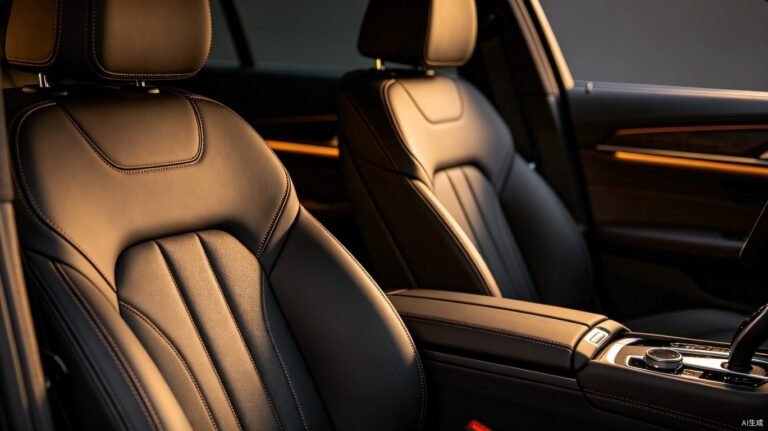
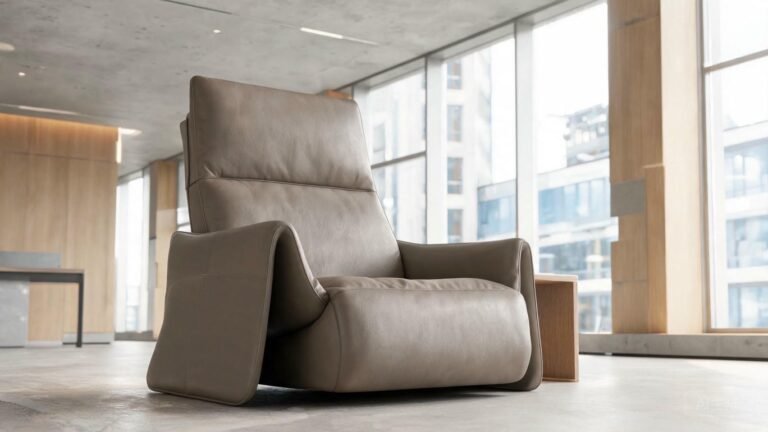
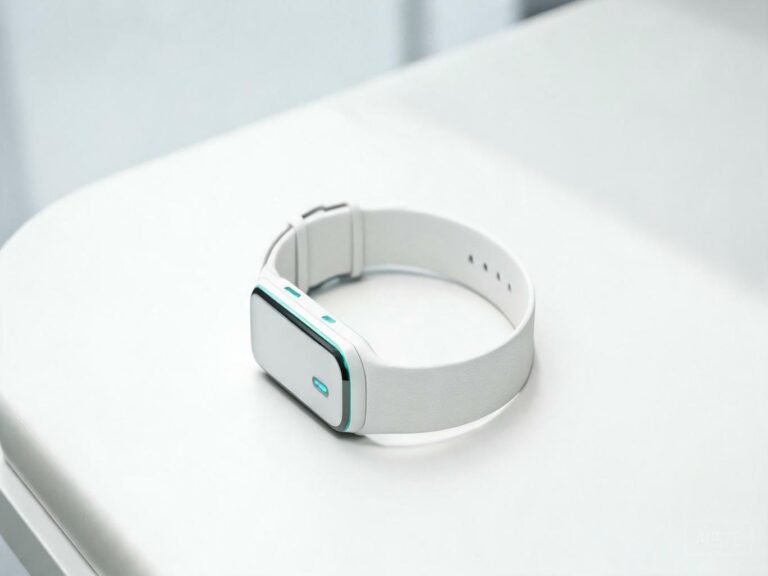
Walk into any furniture showroom or automotive design studio, and you will find designers debating the same question: which material delivers the right balance of aesthetics, durability, and cost? The answer increasingly points to textile leather, a category that has evolved far beyond the cheap vinyl finishes of decades past. Today’s coated fabrics combine engineered textile backings with advanced polymer surfaces, and the newest generation, silicone-coated textile leather, is redefining what performance materials can do.
For B2B buyers, understanding the structure, properties, and manufacturing methods of textile leather is essential for making informed sourcing decisions. The material you select for upholstery, automotive interiors, or consumer goods directly affects product lifespan, compliance status, and brand perception. This guide breaks down what textile leather is, how it performs, and where the industry is heading.
What Is Textile Leather? Understanding the Material
At its core, textile leather is a composite material consisting of a fabric base, typically woven or non-woven textile, bonded to a polymer coating that mimics the look and feel of natural leather. The textile backing provides structural integrity and flexibility, while the coating layer delivers the surface properties: texture, color, water resistance, and durability.

Base fabric unwinding stage in textile leather production
The category encompasses several distinct types based on the coating chemistry:
- PVC-coated textile leather: The oldest and cheapest variant. Polyvinyl chloride creates a rigid, plasticized surface prone to cracking and plasticizer migration over time. Regulatory pressure has reduced its use in premium applications.
- PU-coated textile leather: Polyurethane coatings offer softer hand feel and better breathability than PVC. However, PU degrades through hydrolysis when exposed to moisture, limiting its lifespan in humid environments.
- Silicone-coated textile leather: The newest advancement. Silicone polymers bond to the textile backing without plasticizers or solvents, creating a surface that is inherently non-toxic, hydrolysis-resistant, and thermally stable. Learn more in our silicone leather introduction.
Each type shares the same fundamental architecture, but the coating chemistry determines everything from durability to environmental footprint. For a deeper comparison, our silicone vs PU analysis covers the performance differences in detail.
Key Performance Properties of Textile Leather Fabric
When evaluating textile leather for product development, specifiers should assess performance across four critical dimensions. These properties determine whether the material will survive real-world use or fail prematurely.

Physical testing lab for textile leather performance verification
Abrasion resistance measures how the surface withstands repeated friction. The Martindale test (ISO 5470) is the industry standard for coated fabrics. Residential furniture requires at least 25,000 cycles, while commercial and automotive applications demand 50,000 or more.
Color fastness evaluates resistance to fading and color transfer. ISO 11640 tests color fastness under repeated rubbing. A grade 4 or higher (on a 1 to 5 scale) ensures the material will not stain adjacent surfaces or clothing.
Tear and tensile strength determines structural durability under stress. ISO 3377 (tear load) and ISO 3376 (tensile strength) are the relevant benchmarks. These matter most for stretched applications like tight-back upholstery and automotive seating.
Hydrolysis resistance is the make-or-break property for humid environments. PU-coated textile leather begins degrading after 3 to 5 years of moisture exposure, while silicone-coated alternatives maintain structural integrity indefinitely. This is why hydrolysis-resistant silicone leather has become the material of choice for marine and outdoor applications.

Material structure comparison across textile leather types
From the factory floor: In our testing lab, we regularly compare PU and silicone textile leather under accelerated hydrolysis conditions. After 14 days at 70 degrees Celsius and 95% humidity, PU samples show visible surface cracking and coating delamination. Silicone samples show zero degradation. This is not a marginal improvement. It is a fundamentally different performance class.
Genuine Leather vs Coated Textiles: A Practical Comparison
Many buyers treat genuine leather as the gold standard and everything else as a compromise. That assumption deserves scrutiny. Genuine leather offers unmatched prestige and patina, but it comes with significant trade-offs that coated textiles address directly.
| Property | Genuine Leather | PU Textile Leather | Silicone Textile Leather |
|---|---|---|---|
| Initial Cost | Highest | Lowest | Mid-range |
| Water Resistance | Low (needs treatment) | Moderate | Excellent |
| Hydrolysis Resistance | Good (natural fiber) | Poor (degrades in humidity) | Excellent |
| Color Consistency | Varies (natural hide) | Consistent across batches | Consistent across batches |
| Maintenance | High (conditioning needed) | Low | Very low (soap and water) |
| VOC Emissions | Moderate (tanning residues) | Moderate to high | Zero (solvent-free) |
| Expected Lifespan | 10 to 15 years (with care) | 3 to 7 years | 8 to 12 years |
Here is the thing: genuine leather is not universally superior. It requires ongoing maintenance, varies in quality across hides, and carries environmental concerns from the tanning process. For applications where consistency, cleanability, and regulatory compliance matter more than patina, coated textiles, particularly silicone-coated variants, often deliver better long-term value.
Manufacturing Process and Sustainability Shift

Raw materials lifecycle display in silicone textile leather production
The textile leather manufacturing process follows a consistent sequence regardless of coating type: base fabric preparation, coating application, embossing or texturing, and finishing. What varies is the chemistry and environmental impact of each step.
Traditional PU and PVC coating processes rely on solvent-based chemistry. DMF (dimethylformamide) is commonly used as a solvent in PU production, and it is classified as a substance of very high concern under REACH. Workers face exposure risks, and residual solvents can off-gas from finished products for months.
Silicone coating takes a different path. The silicone polymers cure through addition reactions that produce zero VOC emissions during manufacturing and zero off-gassing from the finished product. No plasticizers are used, which eliminates the migration and degradation issues that plague PVC and PU. The full vs semi silicone leather distinction determines whether the entire coating or just the top layer uses silicone chemistry, affecting both cost and performance.

Sustainable fabric material comparison for eco-conscious procurement
Sustainability is not just a marketing angle anymore. The European Union’s tightening chemical regulations, including REACH SVHC expansions and the Corporate Sustainability Reporting Directive, are pushing furniture and automotive brands toward materials with transparent environmental profiles. Silicone textile leather passes REACH, RoHS, and OEKO-TEX Standard 100 without additional treatments, making compliance documentation straightforward. Our eco-friendly silicone leather resource covers the full certification landscape.
Why Silicone-Coated Textile Leather Outperforms PU and PVC
The case for upgrading from PU to silicone textile leather comes down to total cost of ownership. Yes, silicone costs more per meter upfront. But when you calculate replacement frequency, warranty claims, and maintenance labor over a 5 to 10 year horizon, the math shifts.
Consider a hospitality furniture program. A hotel chain specifying PU textile leather for 500 rooms typically replaces upholstery within 4 to 5 years due to peeling, cracking, and staining. The same program using silicone-coated textile leather can extend replacement cycles to 8 to 10 years, cutting material and labor costs nearly in half over the cycle.
- Thermal stability: Silicone performs from -40 to 200 degrees Celsius. PU softens and deforms above 80 degrees, making it unsuitable for sun-exposed automotive interiors or outdoor furniture.
- Stain resistance: Coffee, wine, ink, and permanent marker release from silicone surfaces with soap and water. PU requires specialized cleaners and still stains permanently in many cases.
- Fire performance: Silicone is inherently flame-retardant without additive chemicals. PU and PVC require flame retardant additives that are increasingly restricted by regulations.
- Skin contact safety: Silicone is hypoallergenic and used in medical devices. PU and PVC can cause skin irritation from residual monomers or plasticizers.
These advantages explain why the global silicone leather market is projected to grow at a 14% CAGR through 2031, nearly triple the rate of conventional synthetic leather. The material is finding applications across multiple industries from automotive OEM interiors to healthcare furniture. For context on how silicone fits into the broader synthetic leather landscape, our article on synthetic fabrics leather production covers the full manufacturing spectrum.
Silicone vs PU vs PVC material comparison: see the performance differences in real time
Frequently Asked Questions
Is textile leather the same as synthetic leather?
Textile leather is a subset of synthetic leather. The term “synthetic leather” includes all non-natural leather alternatives, including materials without a textile backing, such as microfiber leather. Textile leather specifically refers to materials with a woven or non-woven fabric base coated with a polymer layer. All textile leather is synthetic leather, but not all synthetic leather is textile leather.
How long does textile leather last compared to genuine leather?
Lifespan depends on coating chemistry. PU-coated textile leather typically lasts 3 to 7 years depending on use intensity and humidity exposure. Silicone-coated textile leather lasts 8 to 12 years under similar conditions. Genuine leather lasts 10 to 15 years but requires regular conditioning and maintenance. For commercial applications where maintenance budgets are tight, silicone textile leather often delivers the best balance of longevity and low upkeep.
Can textile leather be recycled?
Recyclability varies by coating type. PVC and PU coated fabrics are difficult to separate and recycle because the polymer bonds tightly to the textile backing. Silicone-coated textile leather is more compatible with recycling streams because silicone does not cross-link permanently with the base fabric, allowing mechanical separation. Additionally, silicone produces no toxic byproducts when incinerated, unlike PVC which releases hydrogen chloride gas.
Making the Right Material Choice
Textile leather has matured from a budget alternative into an engineered material category with distinct performance tiers. The gap between a $4-per-meter PVC coated fabric and a $15-per-meter silicone-coated textile leather is not just price. It is the difference between a product that peels after two years and one that maintains its appearance for a decade.
For B2B buyers, the decision framework is straightforward: identify your application’s critical performance requirements, match them to the appropriate coating chemistry, and verify claims with standardized test data. If hydrolysis resistance, stain cleanability, and regulatory compliance are on your checklist, silicone-coated textile leather is the material that checks every box without compromise.
About TOPSUN
TOPSUN manufactures silicone-coated textile leather for B2B clients across automotive, furniture, healthcare, and consumer goods markets. Our integrated production facility controls every stage from base fabric selection through silicone coating and finishing.
Full OEM/ODM customization with 500+ color options. ISO 9001 certified. REACH, RoHS, and OEKO-TEX Standard 100 compliant. In-house lab provides Martindale, ISO 11640, and ISO 3377 test reports with every order.