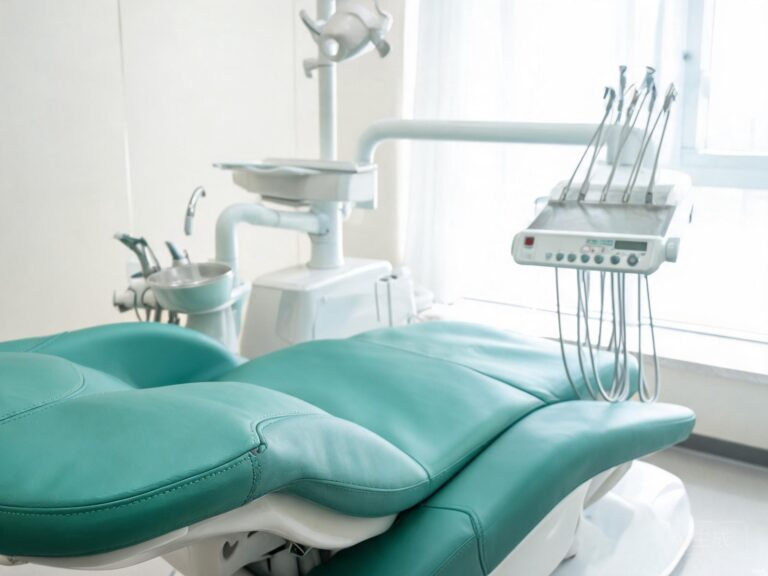
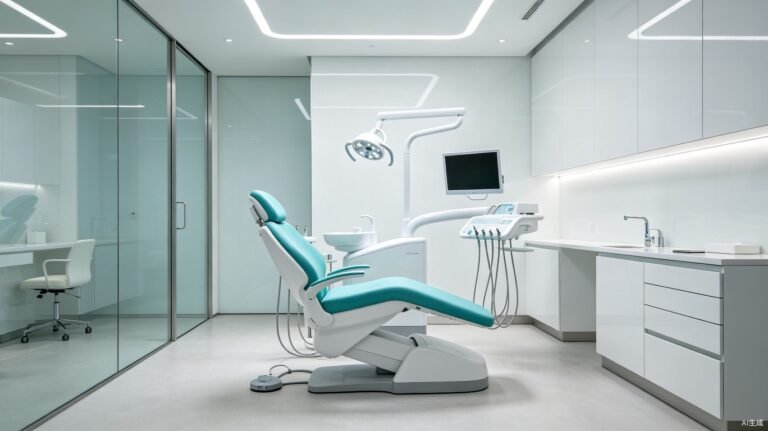
Every dental operatory runs on a brutal chemical routine. Between patients, surfaces get wiped with alcohol, glutaraldehyde, sodium hypochlorite, and iodophors—sometimes multiple times per hour. The dental chair upholstery material absorbs the heaviest punishment, enduring hundreds of disinfectant cycles each year. Standard vinyl and PU covers degrade, crack, and stain within 12–18 months, creating infection-control gaps and expensive replacement cycles. This guide examines why conventional upholstery fails under clinical disinfection protocols—and how silicone leather delivers the chemical resistance dental practices demand.
Request Free Dental-Grade Samples
The Chemical Assault on Dental Chair Fabric
Dental practices deploy a battery of disinfectants that would destroy most commercial upholstery within months. Each chemical attacks material structure in a distinct way:
- Isopropyl and ethyl alcohol (60–80%): The workhorse of dental surface disinfection. Alcohol strips plasticizers from vinyl and PU, turning supple covers brittle and cracked over repeated exposure.
- Glutaraldehyde (2%+): Used for high-level disinfection of instruments and operatory surfaces. This aldehyde cross-links with polymer chains, causing yellowing and progressive embrittlement.
- Sodium hypochlorite (0.5–1%): Chlorine-based solutions oxidize surface coatings, bleach pigments, and break down polyurethane top films within weeks of repeated wipe-downs.
- Iodophors: Iodine-based disinfectants leave tenacious brown stains on porous or degraded upholstery, creating visible contamination that patients notice immediately.
The CDC’s dental infection control guidelines recommend these agents because they kill pathogens efficiently—but they are equally aggressive toward conventional dental chair fabric. When a cover absorbs chemical damage rather than resisting it, micro-cracks form that harbor bacteria despite routine wiping. In our experience supplying medical-grade upholstery to dental equipment manufacturers, chemical incompatibility is the number-one driver of premature cover failure.
Why Standard Vinyl and PU Fail in Dental Settings
The failure mechanisms of vinyl and PU in dental settings are well documented. Both materials rely on plasticizers—phthalates in PVC, polyurethane topcoats in PU—to maintain flexibility and surface integrity. Repeated exposure to alcohol and chlorine-based disinfectants leaches these additives out of the material matrix.
What follows is predictable: the dental unit upholstery stiffens, develops hairline cracks at stress points, and begins to flake. A cover that started supple becomes a contamination liability. Stains from iodophors and rust-colored deposits from glutaraldehyde embed themselves in the degraded surface, making the chair look unsanitary even after thorough cleaning.
Standard vinyl covers show visible cracking within 12–18 months under daily disinfection. PU covers last slightly longer—18–24 months—before topcoat erosion exposes the base fabric. Either way, the replacement cycle is shorter than the equipment’s intended lifespan.
For clinics sourcing a dental chair upholstery material that survives daily chemical exposure, understanding these failure modes is the first step toward a better specification.
Silicone Leather’s Disinfectant Resistance Advantage
Silicone leather solves the chemical resistance problem at the molecular level. Unlike vinyl and PU, silicone’s polymer backbone contains no plasticizers to leach. The Si–O–Si bonds are inherently stable against alcohol, chlorine, and aldehyde attack, meaning the surface does not embrittle, yellow, or crack under repeated disinfectant contact.
Silicone leather withstands repeated alcohol disinfection without surface degradation—a critical property for dental operatory surfaces.
In our alcohol resistance testing, silicone leather samples showed no visible surface change after 500+ wipe cycles with 75% isopropyl alcohol—an exposure level that would destroy standard PU within months. This is why silicone is increasingly specified for medical-grade silicone leather applications where chemical durability is non-negotiable. The comparison is stark when you place the materials side by side:
| Disinfectant | Vinyl (PVC) | PU Leather | Silicone Leather |
|---|---|---|---|
| 70% Isopropyl Alcohol | Cracking at 3–6 months | Topcoat breakdown at 2–4 months | No change after 500+ cycles |
| Glutaraldehyde 2% | Yellowing, embrittlement | Film erosion, tackiness | Stable, no discoloration |
| Sodium Hypochlorite 1% | Pigment bleaching, cracking | Coating oxidation | Color-fast, no degradation |
| Iodophors | Permanent staining | Absorption, staining | Wipes clean, no residue |
Beyond chemical stability, silicone leather’s non-porous surface resists fluid penetration, making it exceptionally easy to clean between patients. Combined with inherent antibacterial properties, it gives dental practices a surface that stays intact and hygienic across years of daily use—whether specified for the patient chair or as a dentist chair replacement cover.

Silicone leather’s non-porous surface repels fluids, supporting rapid wipe-down disinfection between patients.
Mechanical Durability for High-Traffic Dental Practices
Chemical resistance is only half the equation. Dental chairs and stools face constant mechanical abuse—sharp instruments dropped on armrests, patient movement across seat surfaces, and repeated flexing at backrest hinges. A dental chair upholstery material that resists chemicals but tears under mechanical stress still fails the application.
Silicone leather’s high tear strength and elastic recovery make it well suited for these demands. In our abrasion testing following standard quality inspection protocols, silicone leather exceeded 50,000 Martindale cycles without surface breakdown—roughly 3× the performance of standard dental-grade vinyl. The material also resists the flex cracking that plagues PU at hinge points, where thousands of folding cycles per year accelerate failure.

Scratch resistance testing simulates daily instrument contact—silicone leather maintains surface integrity where vinyl and PU scar.
We’ve supplied dental equipment manufacturers who specifically needed a dental patient chair cover material that survives both the chemical bath of operatory disinfection and the mechanical punishment of daily patient flow. Silicone leather met both demands in a single specification.
Color and Design Options for Modern Dental Clinics
Performance aside, dental clinic aesthetics matter for patient experience. Research in healthcare environmental design consistently shows that calm, coordinated color palettes reduce pre-treatment anxiety—a meaningful factor when a significant share of adults report dental fear.

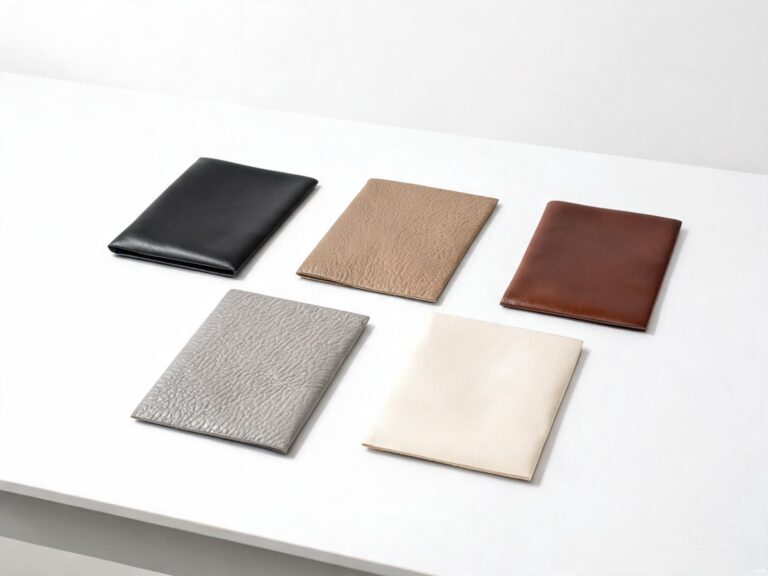
Full-color silicone leather swatches for dental clinic interiors—pigment stability ensures long-term color consistency.
Silicone leather is available in a full spectrum of colors that hold their pigment even under aggressive disinfection, so the dental stool material and chair upholstery stay visually consistent for years. Soft blues, warm neutrals, and muted greens align with the calming palettes favored in modern clinic design. Custom color matching is available for practices building a branded operatory environment. Unlike dyed vinyl that fades after months of bleach exposure, silicone’s pigment encapsulation technology keeps colors true—meaning your chair looks as clean on day 500 as it did on day one.
Frequently Asked Questions
Which dental disinfectants are safe to use on silicone leather?
Silicone leather is compatible with the full range of dental surface disinfectants, including 60–80% isopropyl and ethyl alcohol, 2% glutaraldehyde, 0.5–1% sodium hypochlorite, and iodophors. In our testing, none of these agents caused surface degradation, discoloration, or staining after extended exposure cycles. Follow your disinfectant manufacturer’s contact time guidelines.
How long does dental chair upholstery typically last before replacement?
Standard vinyl covers typically last 12–18 months under daily disinfection. PU covers reach 18–24 months before topcoat failure. Silicone leather upholstery routinely exceeds 3–5 years in clinical use, significantly reducing replacement labor and material costs over the equipment lifecycle.
Can silicone leather be used for dental stool upholstery too?
Yes. Silicone leather’s flex resistance and tear strength make it an excellent dental stool material. Stools undergo more dynamic movement and friction than patient chairs, so the material’s elastic recovery and abrasion resistance are particularly valuable for this application.
Does the material meet CDC dental infection control requirements?
Silicone leather supports CDC-recommended disinfection protocols because it withstands the chemical agents the guidelines specify for dental surface decontamination. The material is also antibacterial per JIS Z 2801 and biocompatible per ISO 10993, complementing clinical infection-control standards.
The Bottom Line for Dental Procurement Teams
The right dental chair upholstery material is not a cosmetic afterthought—it is an infection-control asset. Conventional vinyl and PU covers degrade under the very disinfectants that keep operatory surfaces safe, creating cracks, stains, and contamination risks that drive premature replacement. Silicone leather’s plasticizer-free chemistry, proven chemical resistance, and mechanical durability make it the specification of choice for dental practices that take both hygiene and longevity seriously.
Request Free Dental-Grade Samples
About TOPSUN
TOPSUN manufactures silicone leather engineered for medical and dental environments, supplying equipment manufacturers with disinfectant-resistant upholstery that holds up to daily clinical use. Our materials undergo rigorous chemical resistance and mechanical durability testing to meet the demands of high-traffic operatory settings.
Certifications: ISO 10993, FDA, REACH, alcohol resistance tested, antibacterial per JIS Z 2801