Choosing the right yoga mat material matters. It affects grip, comfort, durability, and sustainability. In our lab, we compared the four most common options side by side. This guide covers PVC, TPE, natural rubber, and silicone yoga mat surfaces. We also evaluated cork-rubber blends for hot yoga use. The goal is to help yoga equipment buyers make confident sourcing decisions.
PVC Yoga Mats: Affordable but Problematic
PVC (polyvinyl chloride) is the most widely used yoga mat material on the market. It is cheap and offers strong initial stickiness. Most budget mats found in big-box stores use PVC as the base polymer. However, PVC raises serious health and environmental concerns. It often contains phthalates, which are chemical plasticizers linked to hormonal disruption. Many countries now restrict phthalates in consumer goods. PVC is also not biodegradable. It releases toxic dioxins when incinerated at end of life. For these reasons, many brands are phasing out PVC entirely.

TPE Yoga Mats: Lightweight and PVC-Free
TPE (thermoplastic elastomer) has become a popular eco yoga mat alternative. It is lighter than PVC and natural rubber. TPE mats are also recyclable in many municipal facilities. They contain no PVC or latex, which appeals to allergy-conscious users. Grip is decent but declines faster than rubber or silicone over time. TPE compresses more under heavy use. Most TPE mats last 1 to 2 years with regular practice. Cost is moderate, making TPE a solid mid-range option for entry-level brands.
Natural Rubber Yoga Mats: The Eco Gold Standard
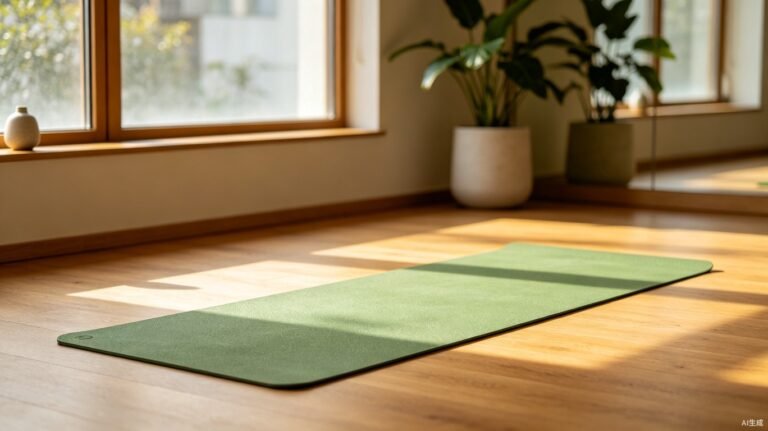
Natural rubber offers the best grip among traditional yoga mat materials. It performs well in both dry and sweaty conditions. Rubber mats are dense and provide excellent cushioning for joints. They are biodegradable and sourced from renewable tree sap. The downsides are weight and cost. A quality rubber mat weighs 2.5 to 4 kg. It also has a noticeable rubber smell that fades over several weeks. Some users have latex allergies, which limits the audience. Certifications like GREENGUARD help verify low chemical emissions for safety.
Silicone Yoga Mats: The Emerging Premium Choice
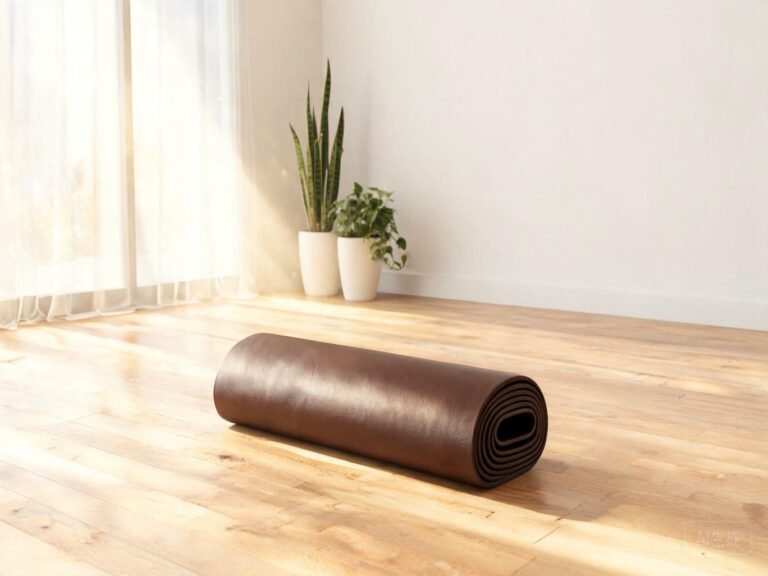
Silicone is a newer entry in the yoga mat material comparison landscape. It combines non-toxic chemistry with outstanding durability. Silicone surfaces resist UV damage, extreme temperatures, and chemical degradation. Grip remains consistent even when the mat is wet with sweat. In our lab tests, silicone leather showed less than 5% surface wear after 50,000 abrasion cycles. Unlike rubber, silicone contains no latex allergens. It is fully inert and food-safe by nature. The main drawback is price. Silicone mats cost 2 to 3 times more than TPE upfront. However, they last significantly longer, which offsets the initial investment.

Cork and Rubber Mats: Antimicrobial and Natural
Cork-rubber hybrid mats pair a natural rubber base with a cork surface layer. Cork is naturally antimicrobial and resists odor buildup. It actually grips better when wet, which suits hot yoga practitioners perfectly. These mats look premium and feel warm underfoot. The cork layer can flake or crack over time with heavy use. Weight is similar to pure rubber mats. Maintenance requires periodic oiling to prevent the cork from drying out and splitting.
See how TOPSUN silicone leather performs as a surface material for mats.
Key Performance Factors
- Grip when wet: Silicone and cork-rubber lead. TPE and PVC slip more with sweat.
- Cushioning: Natural rubber and silicone provide the best joint support and comfort.
- Weight: TPE is the lightest at 0.8 to 1.2 kg. Rubber and silicone are heavier.
- Durability: Silicone outlasts all others. TPE has the shortest usable lifespan.
- Odor: PVC and rubber have strong initial smells. Silicone and TPE are nearly odorless.
Material Comparison Table
| Factor | PVC | TPE | Natural Rubber | Silicone |
|---|---|---|---|---|
| Grip (Dry) | Good | Fair | Excellent | Excellent |
| Grip (Wet) | Poor | Fair | Very Good | Excellent |
| Eco-Friendly | No | Moderate | Yes | Yes |
| Durability | Good | Fair | Very Good | Excellent |
| Weight | Medium | Light | Heavy | Medium |
| Cost | Low | Medium | High | Premium |

TOPSUN offers a wide range of silicone leather materials for yoga mat production.
Sourcing Tips for Yoga Brands
When sourcing materials for sports and fitness applications, consider several critical factors. First, verify material certifications. REACH and RoHS compliance is essential for the EU market. FDA approval matters if mats contact skin for extended periods. Second, request lab test reports for abrasion resistance and tensile strength. Third, order samples and test them under real yoga conditions. A material that scores well in lab testing may feel different in a hot studio. Finally, evaluate minimum order quantities and lead times. Premium materials like silicone often require larger MOQs but deliver better retail margins.
Take the Next Step with TOPSUN
TOPSUN is a leading manufacturer of silicone leather for yoga mats and fitness equipment. We hold REACH, RoHS, FDA, ISO 9001, and GRS certifications. Our materials are trusted by yoga brands worldwide for performance and safety.
Frequently Asked Questions
Are PVC yoga mats safe to use?
PVC yoga mats often contain phthalates and other additives. These chemicals can migrate to the skin during practice. Many health experts recommend avoiding PVC mats entirely. This is especially true for children and pregnant women. Look for mats labeled “PVC-free” or “phthalate-free” for safer alternatives.
Are silicone yoga mats worth the premium price?
Yes, for most serious practitioners and commercial yoga brands. Silicone mats last 3 to 5 times longer than TPE. They maintain grip in all conditions and contain zero harmful chemicals. The higher upfront cost is offset by a much longer replacement cycle. Brands also benefit from stronger margins on premium product lines.