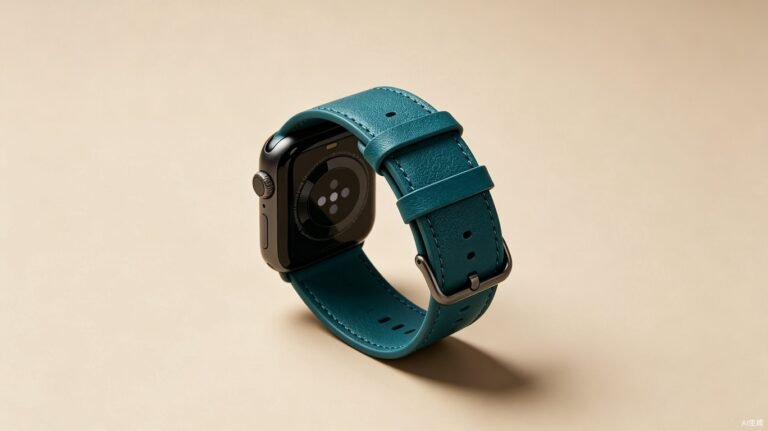
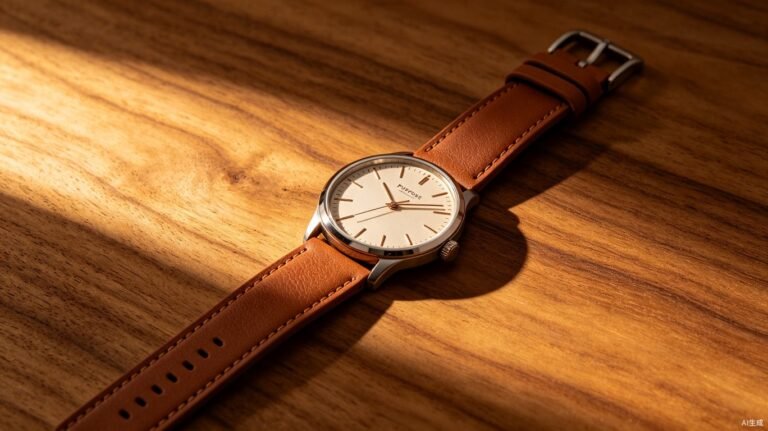
The smartwatch strap you choose defines the user experience as much as the watch itself. A band that irritates skin, traps sweat, or degrades after a few months can ruin an otherwise excellent device. Yet when buyers conduct a smartwatch band material comparison, they’re often met with marketing claims rather than hard performance data. This guide cuts through the noise, comparing silicone leather, traditional leather, nylon, and stainless steel across the metrics that matter to B2B buyers — durability, comfort, maintenance, and total cost of ownership.
The Four Materials That Dominate the Market
Walk into any electronics retailer and you’ll find smartwatch straps made from four primary material categories. Each has carved out a market segment based on its strengths — but each also carries distinct weaknesses that B2B buyers need to understand before committing to production.
The challenge is that no single material wins on every metric. Silicone leather excels in durability and skin safety but costs more than basic silicone rubber. Traditional leather offers heritage appeal but struggles with water exposure. Nylon is breathable and affordable but lacks the premium feel that high-end brands need. Stainless steel looks luxurious but adds weight and conducts temperature. The right choice depends on which trade-offs your target market accepts.

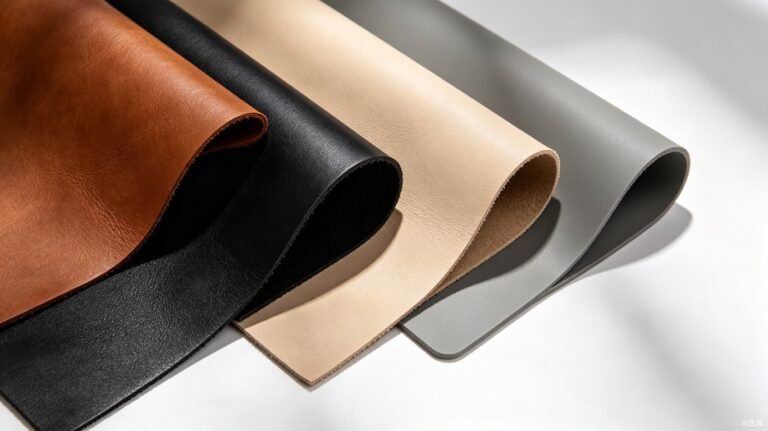
Colorful leather textures — smartwatch straps demand vibrant, lasting color options
Performance Comparison Across Key Metrics
To make this smartwatch band material comparison actionable, we evaluated each material across six dimensions that directly impact user satisfaction and warranty rates. The data below draws from our internal testing and feedback from brands using our materials across the 3C accessories category.
| Metric | Silicone Leather | Traditional Leather | Nylon | Stainless Steel |
|---|---|---|---|---|
| Water Resistance | Excellent | Poor (warps) | Good (slow drying) | Excellent |
| Skin Safety | Hypoallergenic | May cause reactions | Generally safe | Nickel allergy risk |
| Weight | Light | Medium | Very light | Heavy |
| Breathability | Moderate (perforated) | Good | Excellent | Poor |
| Cleanability | Wipe clean, alcohol-safe | Requires conditioner | Machine washable | Wipe clean |
| Lifespan | 2–3 years | 1–2 years | 1–1.5 years | 3–5 years |
| Cost Tier | Mid | High | Low | High |
The comparison reveals why silicone leather is gaining market share in the wearable tech strap segment. It matches or beats traditional leather on comfort and aesthetics while dramatically outperforming it on water resistance and lifespan. For brands interested in the sustainability angle, our coverage of sustainable watch strap materials explores the eco-profile of each option in more depth.

Water droplet test — water resistance is critical for everyday smartwatch strap use
Frequently Asked Questions
Is silicone leather better than fluoroelastomer for watch bands?
It depends on your priority. Fluoroelastomer (FKM) offers superior chemical resistance and is the standard for high-end sport bands. However, silicone leather provides a more premium aesthetic, better breathability when perforated, and a softer skin feel. For everyday/lifestyle bands, silicone leather is often the better choice. For pure sport/performance bands, FKM still holds an edge — but the gap is narrowing as silicone formulations improve.
Do silicone leather watch bands cause skin irritation?
Silicone is inherently hypoallergenic and biocompatible — it’s the same base material used in medical-grade products. Unlike traditional leather, which contains tanning agents and dyes that can trigger contact dermatitis, silicone leather’s inert surface doesn’t react with skin. The key is ensuring proper ventilation (perforation patterns) to prevent moisture buildup underneath the band, which is the actual cause of most watch-related skin irritation regardless of material.
Which material offers the best value for mid-range smartwatches?
For the $150–400 smartwatch segment, silicone leather offers the best balance of perceived value and actual performance. It looks and feels more premium than basic silicone rubber, lasts longer than nylon, and costs significantly less than stainless steel while providing better everyday comfort. Brands that switch from PU leather to silicone leather in this segment typically see improved review scores within the first quarter.
Testing insight: We run accelerated aging tests on all watch strap materials — simulating two years of daily wear in 30 days. Silicone leather shows less than 5% surface degradation after this cycle, while traditional leather averages 25-40% degradation (color fading, surface cracking, edge wear).
Matching Material to Product Positioning
No smartwatch band material comparison is complete without considering the product context. Here’s how we’d recommend matching materials to different product tiers:
Budget tier ($50–150 watches): Basic silicone rubber or nylon. These materials keep costs down and meet minimum performance expectations. The trade-off is shorter lifespan and limited aesthetic differentiation.
Mid-range ($150–400): Silicone leather is the sweet spot. It offers the premium look of leather, the durability of silicone, and texture customization options that let brands create distinctive designs. The material’s advantages over PU are most visible in this segment, where consumers expect quality but aren’t willing to pay luxury prices.

Mixed-color printed swatches — extensive options for smartwatch band customization
Premium ($400+): Genuine leather still commands respect at this tier, but silicone leather is increasingly accepted — especially when brands emphasize sustainability or hypoallergenic properties. Stainless steel mesh bands remain popular for dress watches but limit the product to formal occasions.
The smartwatch band material comparison ultimately comes down to matching material capabilities to user expectations. Get this right, and the strap becomes a selling point. Get it wrong, and you’ll see it in your return rates. For brands looking to source materials that bridge the gap between performance and aesthetics, ISO 22810 water resistance standards provide a useful benchmark for evaluating whether a material can handle real-world exposure.
About TOPSUN
TOPSUN manufactures organic silicone leather for wearable device straps, smartwatch bands, and 3C accessories. Our materials undergo accelerated aging, water resistance, and skin-safety testing to ensure performance across diverse wearing conditions.
Relevant certifications: REACH compliant, RoHS compliant, ISO 9001 certified. Custom thickness, perforation patterns, and texture design available for watch band applications.