Gaming sessions can stretch from quick 20-minute matches to marathon eight-hour tournaments. During that time, your gaming controller grip material determines whether your hands stay comfortable or cramp by round three. For B2B buyers sourcing controller grip covers, the material choice directly affects end-user comfort, product lifespan, and brand reputation. This guide breaks down what matters most when selecting grip materials for PS5, Xbox, and third-party gamepads — and why silicone leather is gaining ground over conventional rubber and TPU.
What Makes a Great Gaming Controller Grip Material?
A high-quality game controller skin needs to balance four performance factors simultaneously:
- Tactile grip: The surface must provide enough friction to prevent slipping during intense gameplay, without feeling sticky or tacky.
- Sweat resistance: Extended sessions generate palm sweat. The material should not absorb moisture or become slippery when wet.
- Dimensional stability: The grip cover must maintain its shape after thousands of button presses, joystick movements, and hand repositioning.
- Skin safety: Since the material contacts skin for hours, it must be free of harmful plasticizers and volatile organic compounds (VOCs).
Most OEMs default to thermoplastic rubber (TPR) or silicone rubber for controller grips. However, these conventional options have trade-offs. TPR degrades under UV exposure and becomes brittle over time. Standard silicone rubber attracts dust and can feel too soft for competitive players who need precise control. Silicone leather has emerged as an alternative that combines the sweat resistance of silicone with the structural durability of engineered fabrics — the same chemistry that makes silicone leather phone cases increasingly popular among premium accessory brands.

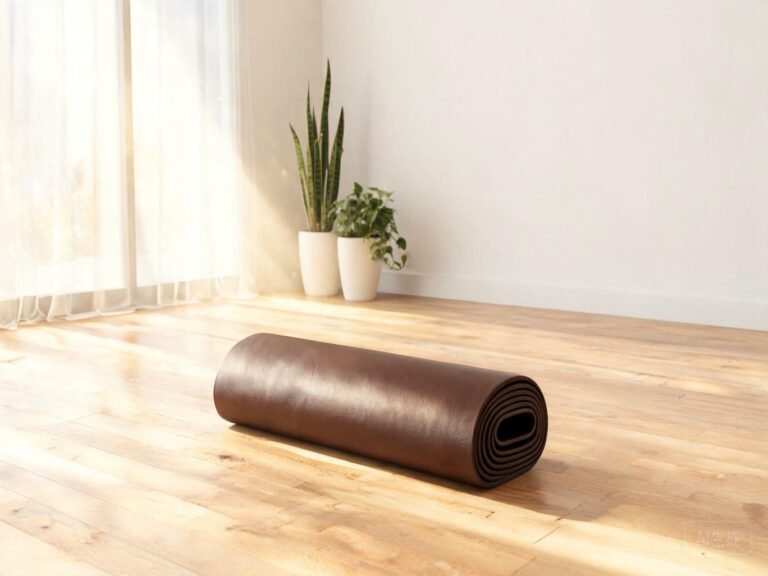
Our factory produces silicone-coated leather specifically calibrated for 3C accessory applications, including anti-slip controller covers. The lychee texture shown here is one of the most requested surface patterns for gaming grips — its raised micro-bumps create natural friction channels that channel sweat away from contact points.
Unlike smooth silicone rubber that becomes slick when wet, textured silicone leather maintains consistent grip performance across dry and sweaty conditions. This is why professional esports peripheral brands are shifting toward coated fabric materials for their flagship controller products.
Silicone vs Rubber vs TPU: Which Material Wins?
When evaluating materials for PS5 controller grips and Xbox controller grips, B2B buyers need to weigh multiple factors simultaneously. Here is how the three most common options compare across the dimensions that matter most for production decisions:
| Property | Silicone Leather | TPR (Thermoplastic Rubber) | TPU (Thermoplastic Polyurethane) |
|---|---|---|---|
| Grip (dry) | High | Medium | Medium-High |
| Grip (wet/sweat) | High | Low (slippery) | Medium |
| Durability (cycles) | 50,000+ | 20,000-30,000 | 30,000-40,000 |
| Skin safety | Excellent (VOC-free) | Moderate (plasticizers) | Good |
| UV resistance | Excellent | Poor | Good |
| Custom texture options | Extensive | Limited | Limited |
| Cost (per unit, bulk) | Medium-High | Low | Medium |
The data tells a clear story. Silicone leather outperforms TPR and TPU in sweat resistance, durability, and skin safety — the three factors that matter most for gaming accessories. TPU remains competitive on dry grip and cost, making it a reasonable choice for budget controllers. TPR is best suited for disposable or short-lifespan products where low cost outweighs longevity.
For premium gaming controllers, the investment in silicone leather pays off through fewer warranty claims, better user reviews, and longer product lifecycles. You can explore a broader overview of silicone leather for 3C electronics to understand how this material performs across consumer electronic applications.
Why Silicone Leather Works for Controller Skins
The performance advantages of silicone leather come from its unique composition. Unlike solid silicone rubber, silicone leather is a multi-layer material: a fabric base provides structural integrity, while the silicone coating delivers the tactile and protective properties that gamers need.
For gaming controller applications, this layered construction offers several benefits:
- Consistent surface texture: The coating process produces uniform micro-textures that maintain grip even after months of use. We offer lychee, flat, and custom embossed patterns tailored to different gaming preferences.
- Thermal comfort: Silicone leather stays neutral to the touch and does not heat up during extended sessions, unlike rubber compounds that can become warm and uncomfortable.
- Hydrophobic surface: Water droplets bead and roll off rather than soaking in, keeping the grip dry even during high-intensity gameplay.

Precision coating line — controlling silicone layer thickness for consistent grip performance
Our production line uses a precision coating process that controls the silicone layer thickness to within ±0.05mm, ensuring every batch meets the same grip performance standard. This consistency is critical for B2B buyers who need uniform quality across large production runs. The custom texture design options let brands create a distinctive feel that stands out in a crowded accessories market.
Performance Testing: What to Verify Before Bulk Orders
Before committing to a bulk order of any gaming controller grip material, request material testing data from your supplier. At minimum, verify these four metrics:
- Abrasion resistance (Martindale or Taber): Controller grips experience constant friction from palm movement. Look for materials rated above 20,000 Martindale cycles without visible wear.
- Color fastness (ISO 105-B02): UV exposure from gaming setups with RGB lighting can fade inferior materials. Grade 4 or above ensures color stability over the product lifespan.
- Tear strength: Grips experience lateral stress during installation and removal. Minimum tear strength of 25N/cm prevents tearing during assembly.
- Chemical compliance: Request RoHS and REACH test reports. Gaming controllers are consumer electronics, and the grip material must comply with restrictions on hazardous substances like lead, phthalates, and brominated flame retardants.
We provide full test reports with every production batch, including Martindale abrasion data, color fastness grades, and third-party chemical compliance certificates. Buyers can request sample sheets to conduct their own in-house testing before placing volume orders. For products targeting the 3C accessories market, also verify that the material handles secondary processing — embossing, laser engraving, and edge bonding all behave differently depending on the coating chemistry.
Key takeaway: The total cost of a gaming controller grip material isn’t just the per-meter price. Factor in defect rates, return costs, warranty claims, and brand reputation. A material that costs 20% more upfront but halves your return rate is the better business decision.
Customization Options for Controller Grip Covers
In the competitive gaming accessories market, visual and tactile differentiation matters. Silicone leather supports extensive customization for controller grip covers:
- Color matching: Pantone-matched colors for brand identity, from signature reds to stealth blacks.
- Texture options: Lychee, pebble, flat, or custom-engraved patterns that create a unique hand feel.
- Embossing and debossing: Brand logos, patterns, or functional grip zones can be embossed directly into the surface.
- Thickness control: Adjust the material thickness (0.6mm to 1.2mm) to balance grip comfort with controller ergonomics.

Classic color swatches — Pantone-matched options for brand-specific controller grips
Minimum order quantities for custom colors typically start at 500 meters, with lead times of 15 to 20 days for new color development. Existing stock colors can ship within 3 to 5 days for sampling. You can compare material options in our silicone vs PU leather guide to understand the chemistry behind different grip materials.
The right gaming controller grip material balances tactile performance, sweat resistance, durability, and regulatory compliance. Silicone leather offers the strongest overall package for premium gaming accessories, outperforming TPR and TPU where it matters most. Whether you are developing PS5 controller grips, Xbox accessories, or third-party gamepads, material selection should be driven by testing data, not marketing claims. Request sample sheets and full test reports before your next production run.
About TOPSUN
TOPSUN is a specialized manufacturer of organic silicone leather, serving B2B clients across automotive, furniture, 3C electronics, and consumer goods industries. Our silicone leather is produced on dedicated coating lines with full quality control — from raw material inspection to finished roll testing.
Relevant certifications: REACH compliant, RoHS compliant, ISO 9001 certified. Custom color matching, texture design, and thickness specification available for gaming controller applications.