A nursing cushion spends hundreds of hours pressed against a mother’s skin. The nursing cushion material — specifically the outer cover fabric — determines whether that experience is comfortable and hygienic or irritating and high-maintenance. For OEM buyers, the cover material also drives perceived quality, wash durability, and return rates.
This guide covers the fabric options used in nursing cushion covers, explains the performance trade-offs between them, and highlights why an increasing number of premium brands are looking beyond traditional cotton and polyester toward wipe-clean alternatives.
Request Fabric Samples for Nursing Products
What Nursing Cushion Covers Actually Need to Do
Unlike a throw pillow that sits on a couch, a nursing cushion is a functional support tool. The cover material needs to handle several specific demands:
- Skin sensitivity. Postpartum skin can be more reactive than usual. The fabric should be free of irritants — no formaldehyde, no azo dyes, no rough surface textures. OEKO-TEX Standard 100 certification is the benchmark parents recognize.
- Wash frequency. Nursing cushions get washed regularly — sometimes weekly. The cover fabric must withstand repeated machine washing (ideally 50+ cycles) without pilling, shrinking, fading, or losing its shape. Zipper durability matters too.
- Moisture resistance. Breast milk spills, baby spit-up, and sweat are constant. The fabric either needs to repel moisture (wipe-clean) or absorb and release it efficiently during washing (cotton/polyester).
- Friction and grip. The cover needs enough surface texture to prevent the cushion from sliding on the mother’s lap, but not so much that it catches on clothing or irritates skin.

The filling material (typically polyester fiber or memory foam) handles the structural support. But the cover is what the user interacts with directly, and it’s where material quality is most visible to the buyer. A premium cover on standard filling creates a high-value perception; the reverse is also true.
In our experience working with nursing product brands, the cover is where most quality complaints originate. Pilling after 10 washes, color fading that makes the cushion look old, or zippers that fail after repeated removal — these are all cover-material issues, not filling issues.
The challenge is that “soft” and “durable” tend to work against each other. Ultra-soft fabrics like minky (polyester microfiber) feel wonderful out of the box but pill and mat after extended washing. More durable fabrics like heavy cotton can feel rough against sensitive skin.
Cover Material Options Compared
| Material | Softness | Wash Durability | Moisture | Cost/m |
|---|---|---|---|---|
| 100% Cotton | Good | Good (may shrink) | Absorbs | $2-4 |
| Cotton-Poly Blend | Good | Very good | Absorbs | $1.5-3 |
| Minky (Polyester) | Excellent | Moderate (pills) | Absorbs slowly | $2-5 |
| Silicone Leather | Good (smooth) | Excellent (wipe-clean) | Repels | $4-7 |
Market shift: The nursing cushion market is splitting. Mass-market brands ($15-30 retail) stick with cotton-poly and minky. Premium brands ($40-80 retail) are increasingly offering wipe-clean silicone leather covers as a differentiator — particularly for the “pump-and-nurse” segment that values easy disinfection between sessions.

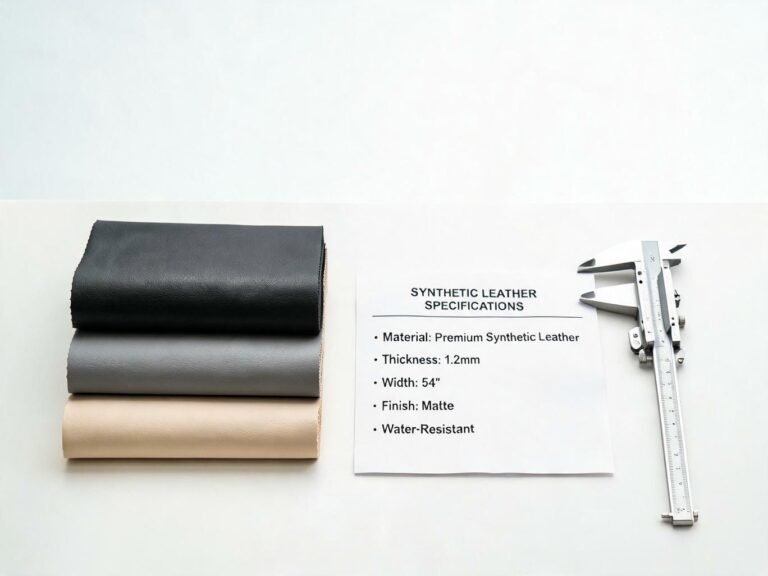
Softness fold test — demonstrating material flexibility for comfort-focused applications
Why Some Brands Are Switching to Wipe-Clean Covers
The traditional nursing cushion model assumes the cover will be machine-washed. That works fine for home use. But the market has expanded into new use cases where machine washing isn’t practical:
- Hospital and birthing center use. Facilities need covers that can be disinfected between patients. Machine washing between each use isn’t feasible. A wipe-clean silicone leather cover that can be sanitized with hospital-grade disinfectants solves this.
- Shared nursing rooms and workplaces. Employers creating lactation rooms increasingly specify easy-clean surfaces. Silicone leather covers can be wiped down in 30 seconds between users.
- Pumping sessions. Many mothers use nursing cushions for pumping as well as breastfeeding. Milk spills during pumping are common, and being able to wipe them away immediately — rather than waiting for laundry day — is a meaningful quality-of-life improvement.
Sourcing Tips for Nursing Cushion Manufacturers

Color swatches — neutral and pastel tones popular for nursing products
- Offer two cover tiers. Many successful brands sell the cushion with a standard cotton cover and offer a premium silicone leather cover as an add-on purchase. This captures both price-sensitive buyers and those willing to pay for convenience.
- Test zipper compatibility. Silicone leather is slightly stiffer than cotton, which can make zipper installation trickier. Specify the zipper tape width and tooth size with your sewing team before ordering material.
- Consider the filling interface. If the cover is wipe-clean (non-absorbent), any moisture that gets past the cover (through seams or zippers) needs a waterproof inner liner to protect the filling. Factor this into your BOM cost.
Frequently Asked Questions
Is silicone leather too warm for a nursing cushion?
Silicone leather has moderate breathability — it’s not as breathable as cotton mesh but more breathable than most PU leathers. For a nursing cushion where the contact area is relatively small (arms and baby, not full body), most users find it comfortable. Brands targeting hot climates can specify perforated silicone leather for improved airflow.
What’s the best nursing cushion material for sensitive skin?
Organic cotton with OEKO-TEX certification remains the gold standard for direct skin contact sensitivity. Silicone leather is also skin-safe (hypoallergenic, no latex, no formaldehyde) but has a different tactile quality — smoother and less “fabric-like.” It’s a matter of user preference rather than safety.
Matching Material to Your Market Segment
The right nursing cushion material depends on who your customer is and how they use the product. For home-use mass market, cotton-poly blends remain the cost-effective standard. For premium, gift, or institutional markets, silicone leather covers offer genuine differentiation through wipe-clean convenience, durability, and a more polished aesthetic.
Either way, the cover material is not the place to cut corners. It’s the first thing a mother touches, the part she washes most often, and the element most visible in product photos and reviews.
Get Nursing Product Material Samples
For related baby product material guidance, our baby and kids application page covers the full range of nursery products we support. Our children’s furniture material guide addresses broader safety and compliance questions, and our high chair cover material guide explores another feeding-related product category. For hospital and clinical applications, our medical-grade silicone leather guide provides relevant information on disinfection-compatible materials.
About TOPSUN
TOPSUN manufactures silicone leather for B2B clients in the baby products, furniture, and healthcare sectors. Our materials are OEKO-TEX Standard 100 certified, CPSIA compliant, and available in custom colors and textures suitable for nursing product applications.
Relevant certifications: OEKO-TEX Standard 100, CPSIA, REACH, FDA food-contact, SGS tested.