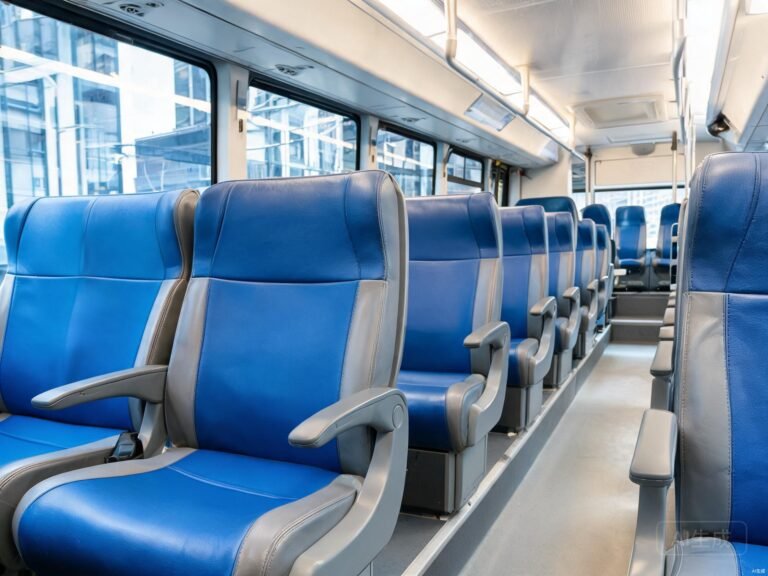
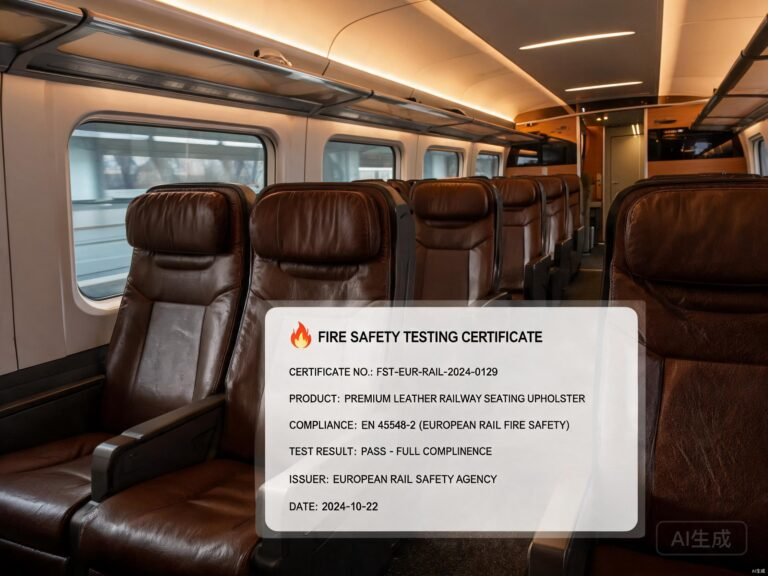
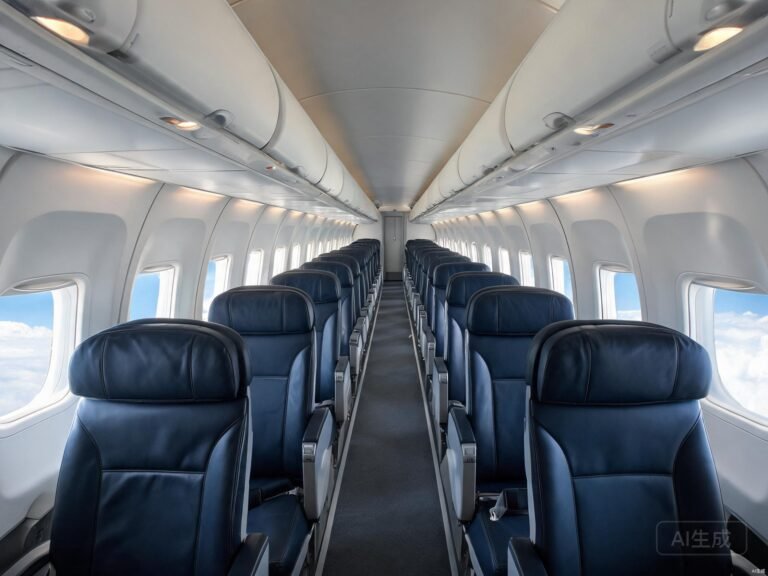
Mass transit seating is one of the harshest upholstery environments you can find. A single bus seat on an urban route may endure 200 to 400 passenger interactions per day, exposure to rain-soaked clothing, spilled drinks, sunscreen, cleaning chemicals, and abrasion from zippers, bags, and tools. For procurement teams sourcing leather for mass transit seating, the material must survive all of this — and still look presentable after years of service — while meeting strict fire safety regulations.
Fire Safety Standards for Public Transportation Seating
Fire safety in mass transit is governed by a complex web of regional and international standards. Unlike automotive, where a relatively small number of global regulations apply, transit seating must comply with standards that vary by vehicle type (bus vs. rail) and geographic market.
Rail and Metro: EN 45545-2:2020
The dominant standard for rail vehicles in Europe — and increasingly adopted worldwide — is EN 45545-2:2020. It classifies materials into hazard levels (HL1 through HL3, with HL3 being the most stringent), testing for ignitability, flame spread, heat release, smoke production, and toxicity. Seat upholstery typically needs to meet HL2 or HL3 depending on the vehicle classification.
Additional rail standards include UIC 564-2 (which specifically addresses seat fire resistance in its Annex 13), BS 6853 for UK rail, and DIN 5510-2 for German rail (being phased out in favor of EN 45545). In China, TB/T 3237 governs fire requirements for railway vehicles.
Buses: 95/28/EC and ECE R118
European bus interiors must comply with 95/28/EC (horizontal and vertical burn tests) and the more recent ECE R118 regulation, which covers flame propagation, melt dripping, and fuel contribution of interior materials. In the United States, NFPA 130 governs passenger rail systems, while FMVSS 302 covers motor vehicle interior flammability — often applied to buses as well.
Practical note for buyers: If you’re sourcing for a project that will be exported to multiple markets, specify EN 45545-2 HL3 compliance from the start. It’s the most stringent widely-recognized standard and will cover most other regional requirements as well.

Durability Demands Unique to Mass Transit
Fire safety gets the regulatory attention, but durability is where transit operators feel the pain. A material that passes fire testing but degrades after six months of real-world use is a failed specification. The key durability factors are:
- Abrasion resistance. EN 16139:2013 covers strength and durability for non-domestic seating. Materials should demonstrate Martindale abrasion resistance of at least 40,000-60,000 cycles for high-traffic transit applications.
- Cleanability and stain resistance. Transit seats are cleaned frequently, often with industrial-grade disinfectants. The material must not degrade, discolor, or absorb stains from food, ink, grease, or biological contaminants.
- Anti-graffiti properties. In many urban systems, vandalism is a real concern. Surface treatments that allow spray paint and markers to be cleaned without damaging the underlying material add significant value.
- UV and weather resistance. Buses and some rail vehicles have significant sun exposure through windows. UV-stable materials prevent fading and surface cracking. For open-top buses, this becomes critical.
- Antimicrobial surface. Post-pandemic expectations have made antimicrobial or easy-to-sanitize surfaces a purchasing priority for many transit authorities.

Material Comparison for Transit Seating
| Property | Woven Fabric | PU Leather | PVC Leather | Silicone Leather |
|---|---|---|---|---|
| Stain Resistance | Poor; absorbs liquids | Moderate | Good | Excellent |
| Chemical Cleanability | Limited | Moderate; may degrade | Good | Excellent; chemical inert |
| Hydrolysis Resistance | N/A | Poor in humid conditions | Good | Excellent |
| Fire Performance | Requires FR treatment | FR grades available | Naturally flame-retardant | Inherently flame-retardant; EN 13773 Class 4 |
| Environmental Profile | Varies | Petroleum-based | Contains plasticizers | Solvent-free, VOC-free, REACH |
| Typical Service Life | 3-5 years | 3-6 years | 5-8 years | 7-10+ years |
The Hidden Cost of Cheap Transit Upholstery
Here’s something we’ve learned from our public seating clients: the lowest per-meter price almost never delivers the lowest total cost. A material that costs 30% less per meter but needs replacement after 4 years instead of 8 is more expensive in the long run — and that’s before factoring in the labor cost of re-upholstering, the vehicle downtime during refurbishment, and the passenger experience deterioration in the final years of service.
In one case, a transit operator switched from a standard PU to our silicone leather for their bus fleet. The initial material cost was higher, but the extended service life and reduced cleaning maintenance costs made the switch financially neutral within three years — and generated net savings thereafter. The flame-retardant leather for public spaces analysis covers similar case studies.

Stain resistance demonstration — critical for transit seating that faces daily spills and cleaning
Frequently Asked Questions
Can silicone leather meet EN 45545-2 requirements for rail vehicles?
TOPSUN’s Super Flame Retardant Collection achieves EN 13773 Class 4, which aligns closely with EN 45545-2 performance parameters. For specific HL-level compliance, we recommend providing the exact standard and test method references to our engineering team so we can match the right product grade.
How does silicone leather perform against graffiti and vandalism?
Silicone leather’s non-porous, chemically inert surface resists absorption of inks, paints, and markers. Most graffiti can be removed with standard cleaning agents without damaging the material. For high-vandalism routes, this significantly reduces maintenance costs.
What’s the typical service life of silicone leather on transit seats?
Based on accelerated aging tests and real-world installations, silicone leather typically delivers 7 to 10+ years of service in mass transit applications — roughly double the lifespan of standard PU leather. The exact figure depends on traffic volume, cleaning frequency, and environmental conditions.
Specifying the Right Material for Your Transit Project
The best approach for transit seating material selection is to start with the regulatory requirements (which fire standard applies?), then define the performance expectations (what service life target?), and finally evaluate materials against both. Request samples, test them with your actual cleaning protocols, and calculate the total cost of ownership — not just the per-meter price. Our silicone vs PU comparison provides a detailed technical breakdown to support your evaluation.
Get a Transit Seating Material Quote
About TOPSUN
TOPSUN manufactures fire-rated silicone leather for public transportation, including bus, rail, metro, and aviation seating applications. Our materials are engineered for high-frequency use, industrial cleaning, and long service life in demanding public environments.
Relevant certifications: EN 13773 Class 4, FAR 25.853, REACH, FDA, ISO 10993, PAHs-free. Low smoke (≤75 Ds), low toxicity (NES 713 ≤5), self-extinguishing. Certificates issued by SGS and Intertek.