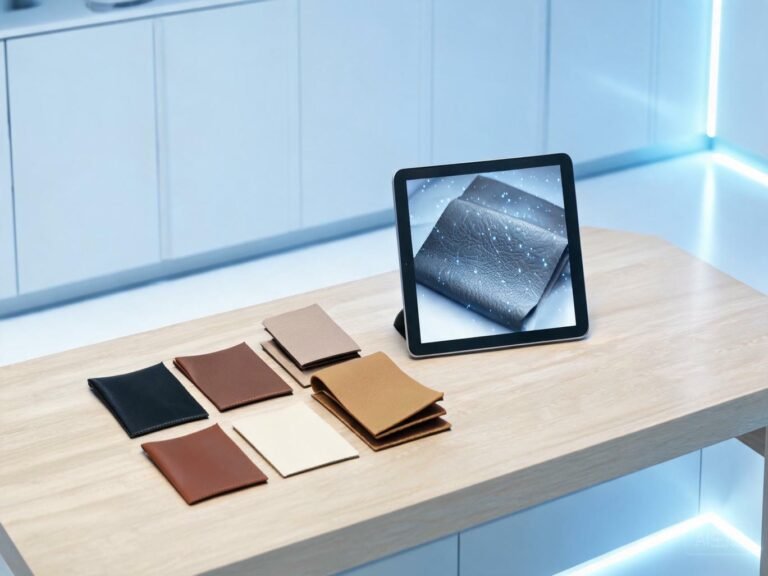
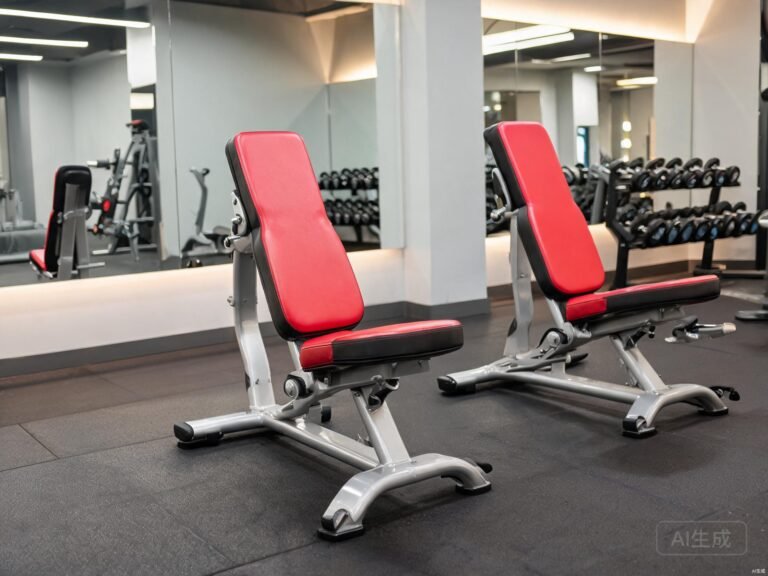
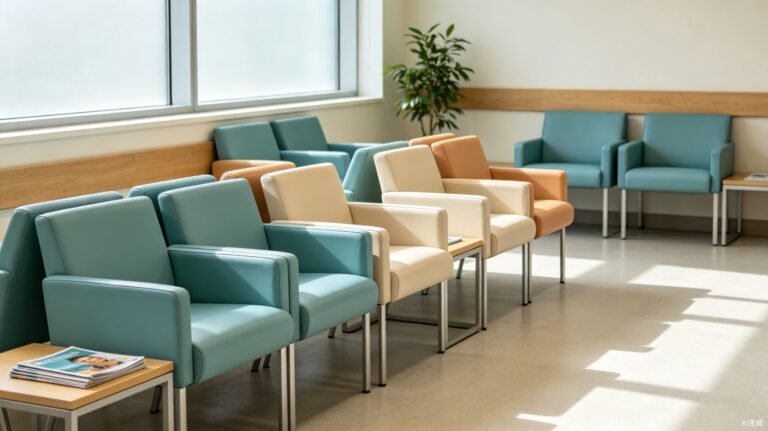
When specifying anti bacterial leather for high-traffic environments, buyers face a fundamental choice: rely on chemical additives that degrade over time, or select a material whose antimicrobial performance is built into its molecular structure. Conventional PU and PVC upholstery fabrics achieve hygienic properties by impregnating the surface with silver ions, triclosan, or other biocidal agents. While these treatments may demonstrate antimicrobial activity at the point of manufacture, their efficacy diminishes with every cleaning cycle, UV exposure event, and abrasion incident.
Silicone leather offers a fundamentally different approach. The polydimethylsiloxane (PDMS) polymer chain that forms the surface of silicone leather creates an inherently hostile environment for microorganisms—without relying on any added chemical agents. This is why TOPSUN silicone leather delivers a consistent 99.9% antibacterial rate against E. coli and Staphylococcus aureus throughout the product’s full service life.
In this technology guide, we explain how antimicrobial leather works at the molecular level, why chemical treatments fall short, and how leading specifiers in healthcare, hospitality, and public transit are transitioning to silicone-based hygienic leather solutions.

The Problem with Chemical Antimicrobial Treatments
The majority of antibacterial upholstery on the market today achieves its antimicrobial rating through post-production chemical treatments. These typically fall into three categories:
- Silver-ion treatments — metallic silver particles embedded in the polyurethane topcoat that release Ag+ ions to disrupt bacterial cell membranes.
- Organic biocides (e.g., triclosan, quaternary ammonium salts) — incorporated into the polymer matrix during coating application.
- Photocatalytic coatings — titanium dioxide layers that generate reactive oxygen species under UV light.
Each of these approaches shares the same structural vulnerability: the antimicrobial agent is a separate component from the base material. Over time, these additives undergo migration (leaching to the surface and washing away during cleaning), degradation (chemical breakdown from exposure to disinfectants, heat, or UV radiation), and depletion (the active agent is consumed as it kills microbes, leaving diminishing residual capacity).
Key limitation: Chemically treated antibacterial leather typically loses 30–50% of its antimicrobial efficacy within the first 12 months of service in high-traffic applications, according to independent laboratory studies. After 24 months, performance may fall below the 90% threshold considered clinically meaningful.
For procurement managers in healthcare, senior living, and transportation sectors, this creates a serious concern. The material specified at purchase may not meet infection control standards two years later—yet replacement cycles for commercial upholstery typically span 5 to 7 years.
Why Silicone Leather Is Naturally Antibacterial
Silicone leather’s antimicrobial performance originates not from additives but from the fundamental chemistry of the polydimethylsiloxane (PDMS) polymer that constitutes its surface layer. PDMS is a silicon-oxygen backbone with methyl side groups, forming a surface that is simultaneously non-porous, chemically inert, and extremely low-surface-energy.
These properties work together to prevent microbial colonization through three mechanisms:
1. Physical exclusion. The PDMS surface layer in silicone leather has a near-zero porosity rating. Unlike PU and PVC coatings, which develop micro-cracks and pinholes through flex fatigue, the silicone polymer maintains structural integrity across thousands of flex cycles. Without surface defects, bacteria have no crevices in which to anchor and form biofilms.
2. Low surface energy prevents adhesion. PDMS has one of the lowest surface energy values of any solid polymer (approximately 20–24 mN/m). Bacterial cells, which rely on van der Waals forces and hydrophobic interactions to adhere to surfaces, cannot achieve stable attachment on a PDMS surface. Without adhesion, organisms are easily removed by routine cleaning or simply cannot colonize.
3. Chemical inertness eliminates nutrient availability. The silicone surface does not provide organic carbon sources that microbes require for metabolism. Combined with the absence of hydrolyzable bonds, the material offers no nutritional foothold for bacterial proliferation.
Verified performance: TOPSUN silicone leather has been tested by SGS against ISO 22196 (JIS Z 2801), achieving a 99.9% antibacterial rate against both Escherichia coli (ATCC 25922) and Staphylococcus aureus (ATCC 6538). This performance is intrinsic to the material—no antimicrobial additives are used at any stage of production.
This distinction is critical for specifiers evaluating microbe resistant leather: the antibacterial property cannot wear off because it is not a coating. It is the material itself.
For professionals seeking a deeper understanding of silicone leather’s biomedical suitability, our detailed analysis on medical-grade silicone leather covers biocompatibility testing and clinical validation in full depth. Complementary guidance on material selection for healthcare environments is available in our article on faux leather for medical use.
Critical Applications for Antibacterial Upholstery
The demand for infection control fabric has expanded well beyond traditional clinical settings. Today, any environment where people share enclosed spaces over extended periods represents a candidate for antimicrobial upholstery specification.
| Application Sector | Key Requirements | Silicone Leather Advantages |
|---|---|---|
| Hospitals & Clinics | ISO 10993-5 biocompatibility; bleach/alcohol/quat tolerance; frequent disinfection cycles | Non-porous PDMS surface; no additive degradation; passes all standard disinfectant exposure tests |
| Senior Living & Nursing | Urine and chemical resistance; prolonged skin contact safety; durability under constant use | Chemical inertness; ISO 10993-5 cytotoxicity pass; tear strength exceeding 80 N/mm |
| Hotels & Cruise Lines | Aesthetic versatility; stain resistance; guest perception of cleanliness | Available in 500+ colorways and textures; no antimicrobial agent odor; easy-clean surface |
| Public Transit | UV resistance; abrasion endurance; high-frequency cleaning | UV-stable silicone polymer; Martindale abrasion >60,000 cycles; colorfast under cleaning |
| Daycare & Nurseries | Non-toxic surface; food-contact safety; resistance to chewing and spills | FDA food-contact compliant; no biocide migration risk; soft, skin-friendly hand feel |
Each of these sectors shares a common requirement: the hygienic leather must maintain its antimicrobial performance without sacrificing comfort, aesthetics, or mechanical durability. Silicone leather uniquely satisfies all three criteria simultaneously.

Specifiers working on medical and healthcare applications can explore our dedicated application portfolio for case studies, material specifications, and sample request options. Similarly, our baby and kids products page addresses the specific safety and compliance requirements for early-childhood environments.
Request Antibacterial Leather Samples
Compliance and Certification for Medical-Grade Materials
When sourcing medical grade antibacterial materials, B2B buyers must look beyond marketing claims and demand verifiable third-party certifications. The following standards represent the internationally recognized benchmarks for antimicrobial and biocompatible materials:
- ISO 10993-5 (Biological Evaluation of Medical Devices — Cytotoxicity) — Evaluates the in vitro cytotoxic effects of material extracts on mammalian cell lines. This is the foundational test for any material intended for prolonged skin or mucosal contact.
- ISO 22196 / JIS Z 2801 (Measurement of Antibacterial Activity on Plastics) — Quantifies antibacterial performance against specific bacterial strains under controlled laboratory conditions.
- FDA Food Contact Notification — Confirms that the material is safe for incidental food contact, relevant for environments where dining and lounging surfaces overlap.
- REACH Compliance (EU Regulation EC 1907/2006) — Ensures the material does not contain Substances of Very High Concern (SVHCs) above threshold levels.
TOPSUN independently verified data:
• ISO 10993-5 cytotoxicity test (SGS): Cell viability rate of 74.58%, exceeding the 70% pass threshold for non-cytotoxic classification.
• ISO 22196 antibacterial test (SGS): 99.9% reduction against E. coli and S. aureus (R ≥ 2.0 for both strains).
• FDA food contact compliance — full ingredient disclosure and migration testing completed.
• REACH compliant — zero SVHC substances detected in independent testing.
Buyers should request copies of these test reports directly from their supplier. Verify that reports are dated within the past 24 months and issued by accredited laboratories (e.g., SGS, Intertek, TUV). For guidance on evaluating supplier documentation, visit TOPSUN’s complete certifications and test reports page.
Reference standards are published and maintained by ISO (International Organization for Standardization) and regulatory guidance is available through the U.S. Food and Drug Administration (FDA).
Built-In Hygiene, Not Added On
The fundamental advantage of silicone leather as an anti bacterial leather solution lies in its permanence. Where chemically treated materials begin a countdown from the moment they leave the factory—losing efficacy with every disinfection cycle, every UV exposure, and every abrasion event—silicone leather’s antimicrobial performance is an immutable property of the PDMS polymer itself.
For B2B specifiers, this translates directly into lower total cost of ownership. There is no need for antimicrobial re-treatment programs, no performance warranty disputes over degraded efficacy, and no compliance risk from materials that no longer meet the standards they were certified against.
TOPSUN, established in 2018, has produced over 600 million meters of silicone leather and holds 233 patents across its product range. Our materials are specified by healthcare systems, hospitality groups, transit authorities, and childcare facilities in over 40 countries. Every batch of antimicrobial leather we produce is backed by third-party SGS testing and supported by a dedicated technical advisory team.
Frequently Asked Questions
Does antibacterial leather lose its antimicrobial properties over time?
Silicone leather retains its antimicrobial properties throughout its entire service life. Unlike chemically treated PU or PVC materials that rely on additives which degrade, migrate, or leach out, silicone leather’s antibacterial performance is inherent to the PDMS molecular chain structure. The dense, non-porous silicone surface prevents microbial adhesion at the material level, meaning no reduction in efficacy occurs with age, cleaning cycles, or UV exposure.
Can silicone antibacterial leather withstand hospital-grade disinfectants?
Yes. TOPSUN silicone leather is engineered to tolerate repeated exposure to alcohol-based solutions, sodium hypochlorite (bleach), and quaternary ammonium compounds (quats) without cracking, discoloration, or surface degradation. This chemical resistance makes it ideally suited for clinical environments where rigorous infection control protocols require frequent disinfection.
How is antibacterial leather tested and verified?
Antimicrobial performance is evaluated using standardized test methods such as ISO 22196 (JIS Z 2801), which measures antibacterial activity against specific strains including E. coli (ATCC 25922) and S. aureus (ATCC 6538). TOPSUN’s antibacterial leather has been independently tested by SGS and achieves a 99.9% antibacterial rate. Additionally, biocompatibility is verified through ISO 10993-5 cytotoxicity testing, where TOPSUN achieved a cell viability rate of 74.58% against the 70% pass threshold.
About TOPSUN Silicone Leather
TOPSUN is a leading manufacturer and supplier of silicone leather, specializing in B2B custom solutions since 2018. With a cumulative production exceeding 600 million meters and a portfolio of 233 patents, TOPSUN serves healthcare, hospitality, transportation, childcare, and consumer electronics sectors globally. Our silicone leather products carry ISO 10993-5 biocompatibility certification, FDA food-contact compliance, and full REACH registration. We provide complimentary sample kits, technical specification sheets, and dedicated project consultation for qualified commercial buyers.