Modern cinemas compete on experience. Plush recliners, immersive sound, and gourmet concessions set the tone before the trailers even roll. But the material wrapping every seat matters more than most operators realize.
The right cinema seating leather doesn’t just look luxurious. It survives 12-hour daily screenings, resists spills and UV exposure, and keeps audiences comfortable for a decade or more. For procurement managers sourcing materials at scale, choosing the wrong upholstery means premature replacement, costly maintenance, and compliance headaches.
This guide breaks down what makes silicone-based leather the fastest-growing choice for premium cinema seating worldwide.
Why Cinema Seating Leather Defines the Theater Experience
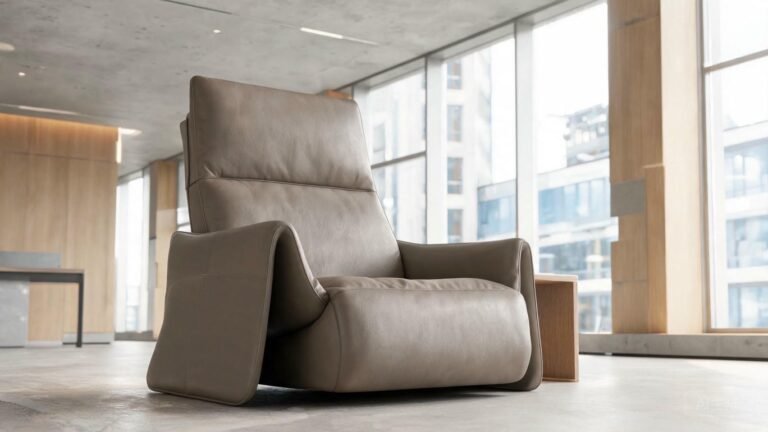
When was the last time you sat in a cinema and noticed the seat? If it was uncomfortable, you remember. Luxury theater seating has evolved from basic flip-up chairs to full recliners with heated cushions and adjustable headrests. The leather wrapping those seats is the first thing guests touch, and it shapes their entire perception of the venue.
Premium cinema seating demands materials that balance visual elegance with brutal durability. A 300-seat auditorium runs multiple screenings daily. Over a year, that’s thousands of guests bringing friction, body oils, food spills, and humidity. Traditional PU and PVC leathers often crack or peel within 2-3 years under this traffic.
Silicone-based leather handles the load differently. Its molecular structure resists hydrolysis, meaning moisture doesn’t break it down the way it degrades polyurethane. The material maintains flexibility and surface integrity even after years of heavy use.
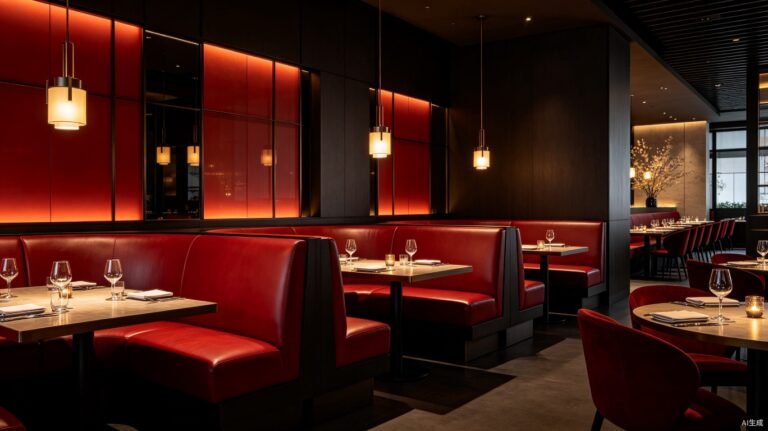
The visual impact matters too. Deep burgundy, rich black, and warm tan finishes create the immersive, high-end atmosphere that operators invest heavily in. Whether you’re specifying for a boutique screening room or a 1,000-seat multiplex, the upholstery sets the tone before lights dim.

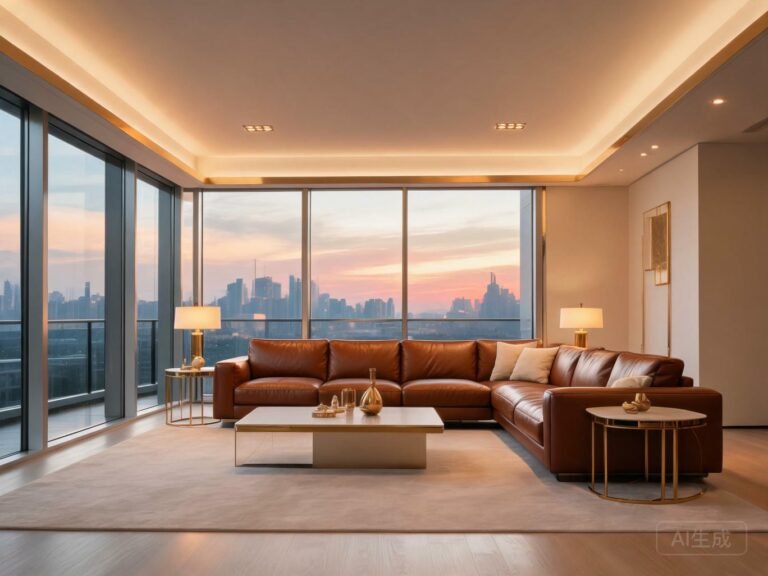
The same properties that make silicone leather ideal for furniture and sofa upholstery translate directly to cinema environments.
Essential Performance Standards for Theater Seating Fabric
Procurement teams evaluating theater seating fabric need to look beyond surface aesthetics. The material must meet specific international standards for abrasion, flexing, color fastness, and fire safety. Here’s what matters most.
Abrasion resistance is the single most critical metric. Cinema seats endure constant friction from clothing, bags, and movement. The Martindale abrasion test (ISO 12947-2) measures how many cycles a fabric survives before visible wear appears. For commercial cinema environments, 200,000 cycles is the practical minimum.

Color fastness determines whether seats still look right after years of UV exposure from lobby lighting and screen glow. Grade 4-5 on ISO 105-B02 means virtually no fading. Rubbing fastness (ISO 105-X12) tests whether color transfers onto clothing during contact, equally critical for premium venues.
Fire safety compliance is non-negotiable for public assembly spaces. The NFPA 101 Life Safety Code establishes requirements for interior finishes and furnishings in assembly occupancies, including theaters and cinemas.
Here’s how TOPSUN’s silicone leather performs:
| Property | Test Standard | TOPSUN Specification |
|---|---|---|
| Martindale Abrasion | ISO 12947-2 | ≥200,000 cycles |
| Flex Resistance | ISO 5402 | ≥100,000 cycles |
| Color Fastness (Light) | ISO 105-B02 | Grade 4-5 |
| Rubbing Fastness | ISO 105-X12 | Grade 4-5 |
| Temperature Range | — | -40°C ~ 250°C |
| UV Resistance | ASTM G154 | No cracking/fading |
| VOC Emission | ISO 16000-6 | Zero |
| Service Life | — | 10+ years |
Why Silicone Leather Excels as an Auditorium Seating Material
When comparing auditorium seating material options, the conversation typically comes down to three choices: PU leather, PVC leather, and silicone leather. Each carries trade-offs that directly affect long-term cost.
PVC is inexpensive but stiffens and cracks over time, especially where heating and cooling cycles stress the material. PU leather offers better flexibility and tactile feel, yet remains vulnerable to hydrolysis. In a cinema where spills and humidity are constant, PU can begin degrading within 3-5 years.
Silicone leather solves both problems. The silicone elastomer coating creates a surface that is inherently waterproof, UV-stable, and temperature-resistant from -40°C to 250°C. It doesn’t plasticize, meaning no plasticizers leach out over time. And because it produces zero VOC emissions (ISO 16000-6), it contributes to healthier indoor air quality in enclosed auditoriums where hundreds of people gather.
As a cinema chair material, silicone leather also stands out for its cleanability. Spills wipe off without staining, and the surface resists bacterial growth naturally, reducing maintenance labor between screenings.

For operators focused on brand identity, color consistency is essential. TOPSUN offers custom color matching to align seating with any interior design scheme. The swatches above show the rich, cinema-appropriate palette available, from deep burgundy to warm neutral tones.
For a detailed breakdown of how these materials compare, see our analysis of silicone leather vs PU vs PVC.
What Procurement Managers Should Know About Movie Theater Upholstery
Sourcing movie theater upholstery at scale involves more than picking a material. Here’s what we’ve learned working directly with cinema operators and seating manufacturers.

In our testing lab, we routinely run silicone leather samples through 200,000+ Martindale abrasion cycles. The surfaces come out intact, with no visible cracking or peeling. We’ve also tracked real-world performance: a European cinema chain trialed our silicone leather across 50 high-traffic screening room seats. After 18 months of daily screenings, the upholstery showed no visible wear, no fading, and no cracking at stress points.
Real-world result: 50 cinema seats in daily use for 18 months. Zero cracking. Zero fading. Zero visible wear. That’s the difference silicone chemistry makes.
That longevity translates directly to ROI. A material lasting 10+ years versus 3-5 years for conventional PU drops total cost of ownership significantly, even with a higher per-meter price point.
A few practical considerations for procurement teams:
- MOQ and lead time: 500 meters minimum, with 7-15 day production lead time.
- Certifications: REACH, FDA, PAHs, and EN 13773 cover EU and US regulatory requirements for public spaces.
- Color matching: Plan early. Custom colors require sample approval, so factor in 1-2 weeks for development.

The same durability making this ideal for cinema chairs also suits adjacent applications. If your project includes faux leather for chairs in lobbies or broader cinema seating applications, silicone leather offers a consistent material specification across the entire venue.
Frequently Asked Questions
How long does silicone cinema seating leather actually last?
With proper maintenance, TOPSUN silicone leather is rated for 10+ years of service life in commercial cinema environments. Its resistance to abrasion (200,000+ Martindale cycles), UV, and hydrolysis means it won’t crack, peel, or fade the way PU and PVC do under daily screening traffic.
Is silicone leather fire-resistant enough for public cinemas?
Yes. TOPSUN silicone leather meets EN 13773 fire safety standards and complies with NFPA 101 Life Safety Code requirements for assembly occupancies. Its temperature resistance range of -40°C to 250°C means it won’t degrade under thermal stress.
What is the minimum order quantity and lead time?
The MOQ is 500 meters, with a standard lead time of 7-15 days. This supports both pilot installations and full multiplex rollouts without excessive inventory risk.
Can TOPSUN match custom colors for cinema interiors?
Absolutely. We offer custom color development to match your interior design palette. Sample approval typically takes 1-2 weeks, and our team works with you to achieve the exact shade and finish your venue requires.
Choose the Right Cinema Seating Leather for Your Venue
The shift toward premium cinema experiences has raised the bar for every component in the theater. Cinema seating leather sits at the intersection of comfort, safety, and longevity. Silicone leather delivers on all three, with 200,000+ abrasion cycles, zero VOC emissions, and a 10+ year service life that keeps replacement costs down.
Whether you’re outfitting a boutique screening room or a multi-screen multiplex, the material you specify today shapes the guest experience for the next decade. TOPSUN’s silicone leather is certified to REACH, FDA, PAHs, and EN 13773 standards, giving you confidence in both performance and compliance.
About TOPSUN
TOPSUN is a specialized manufacturer of organic silicone leather, serving B2B clients across automotive, furniture, medical, and commercial seating industries. With in-house testing labs and OEM/ODM capabilities, we deliver custom silicone leather solutions that meet international performance and safety standards for cinemas, theaters, and high-traffic public venues.
Certifications: REACH | FDA | PAHs | EN 13773 | ISO 12947-2 | ISO 105-B02 | ISO 105-X12