The global silicone rubber products market is growing fast. Analysts value it at over $12 billion in 2025. The compound annual growth rate sits near 5.4% through 2032. Buyers across industries face a common challenge. They need reliable silicone products manufacturers who deliver consistent quality.
Sourcing the right silicone supplier is harder than ever. New regulations, sustainability demands, and complex applications raise the bar. This guide covers market trends, key manufacturing regions, and innovation drivers. It helps procurement teams make informed decisions.
Ready to find the right manufacturing partner? Start with a free sample evaluation.
What Are Silicone Rubber Products?
Silicone rubber products are items made from polysiloxane-based polymers. These polymers offer unique properties. They resist heat, cold, UV radiation, and chemicals. They also stay flexible across a wide temperature range.
Every professional silicone products manufacturer works with different silicone grades. The most common types include:
- High-Temperature Vulcanized (HTV) silicone – Used for seals, gaskets, and industrial parts
- Liquid Silicone Rubber (LSR) – Ideal for precision molding in medical and electronics
- Room-Temperature Vulcanized (RTV) silicone – Common in sealants, coatings, and adhesives
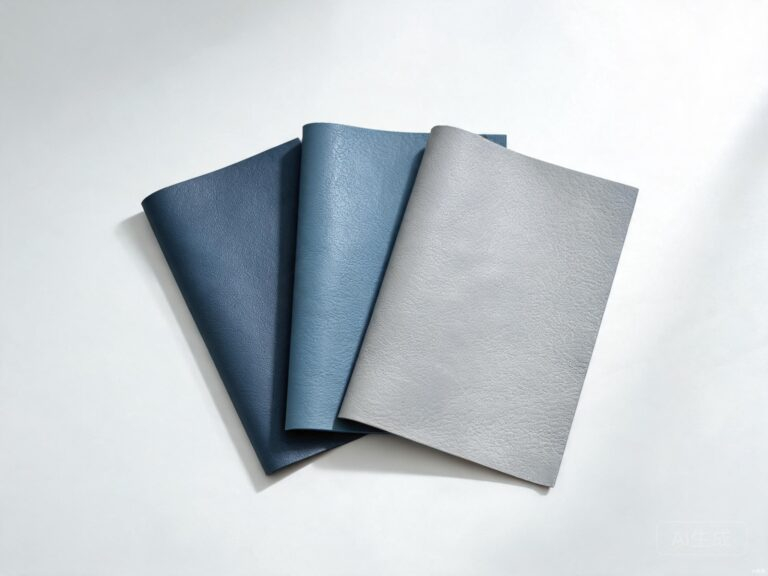
- Silicone leather – A premium alternative to animal leather for upholstery and interiors
Silicone rubber outperforms many conventional materials. It lasts longer under extreme conditions. It does not crack, fade, or degrade easily. This makes it a preferred choice for demanding environments.
To learn more about how silicone leather compares to other materials, read our detailed silicone leather vs PU vs PVC comparison.

Global Market Overview and Growth Drivers
The silicone rubber market continues its upward trajectory. Asia-Pacific leads production. China remains the largest manufacturer and exporter worldwide. North America and Europe follow with strong demand in automotive and medical sectors.
Leading silicone rubber manufacturers are expanding capacity to meet rising demand. Several key factors drive this growth:
| Growth Driver | Impact Area | Market Effect |
|---|---|---|
| EV Automotive Expansion | Interior and battery components | High demand growth |
| Medical Device Innovation | Implants, tubing, wearable devices | Premium-grade silicone demand |
| Sustainability Regulations | Eco-friendly material adoption | Shift from PVC and PU |
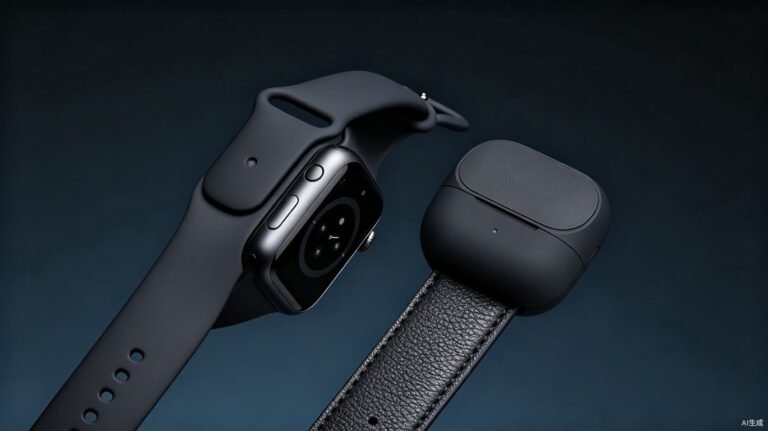
| Consumer Electronics | Phone cases, wearables, covers | Steady volume increase |
| Construction and Infrastructure | Sealants, waterproofing, insulation | Consistent baseline demand |
For buyers sourcing materials, understanding these drivers helps plan procurement strategies. The automotive sector alone is expected to consume over 30% of global silicone rubber output by 2027.
Key Manufacturing Regions and Players
Silicone production is concentrated in several regions. Each region offers distinct advantages for international buyers.
China: The Production Powerhouse
China dominates global silicone rubber output. It accounts for over 45% of worldwide production capacity. Chinese silicone manufacturers offer competitive pricing and large-scale capabilities. Many also provide full OEM and custom manufacturing services.
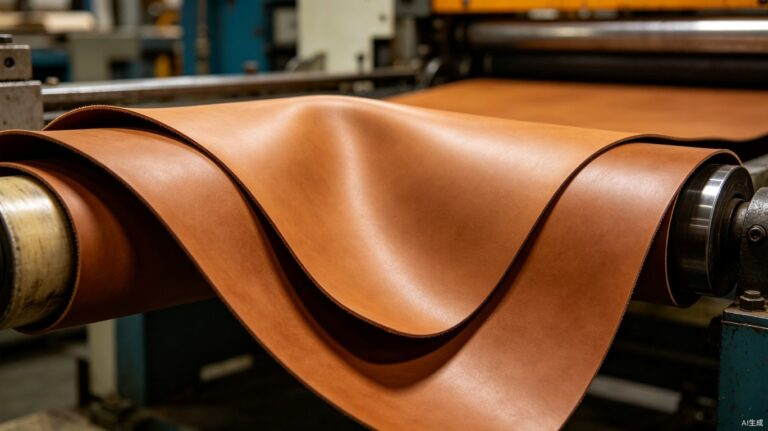
TOPSUN, based in China, is one such manufacturer. We specialize in silicone leather for automotive interiors, furniture, marine, and medical applications. Our factory features advanced coating lines and strict quality control systems.
North America: Innovation and High-Performance Focus
The United States hosts several top-tier silicone manufacturers USA brands. Companies here focus on high-performance grades. Aerospace, defense, and medical applications drive demand. American firms invest heavily in R&D and proprietary formulations.
Europe: Regulation-Driven Quality
European silicone company operations are shaped by strict environmental rules. REACH compliance and food-contact certifications are standard. European manufacturers excel in medical-grade and food-grade silicone production.
| Region | Strengths | Best For |
|---|---|---|
| China | Cost, scale, customization | Volume orders, custom solutions |
| USA | Innovation, high-performance grades | Aerospace, medical, defense |
| Europe | Compliance, premium quality | Medical, food-contact, eco-certified |
| Southeast Asia | Emerging capacity, competitive pricing | Consumer goods, electronics |
Explore TOPSUN’s manufacturing capabilities on our factory production page.

Innovation Trends Reshaping the Industry
Every forward-thinking silicone manufacturer is investing in innovation. Several trends are reshaping how silicone products are designed, produced, and used in 2026.
1. Sustainable and Eco-Friendly Formulations
Sustainability is no longer optional. Buyers demand materials with low VOCs, no heavy metals, and recyclable structures. Silicone rubber naturally aligns with these goals. It contains no plasticizers, no harmful solvents, and no animal-derived components.
Manufacturers now offer bio-based silicone alternatives. These use renewable raw materials to reduce carbon footprint. Learn about silicone leather’s environmental benefits in our eco-friendly silicone faux leather article.
2. Customization and Personalization
Mass production is giving way to tailored solutions. Brands want unique textures, custom colors, and specific performance profiles. Leading manufacturers offer full customization services. This includes color matching, grain patterns, thickness control, and backing material selection.
3. High-Performance Applications
Silicone rubber is entering new high-performance fields. These include:
- Electric vehicle battery insulation – Thermal management at extreme temperatures
- Aerospace sealing systems – Resistance to pressure and vibration
- Wearable medical sensors – Biocompatible skin-contact materials
- 5G antenna enclosures – Dielectric properties for signal transmission
- Marine upholstery – Saltwater and UV resistance for long life
4. Smart Manufacturing and Automation
Factories are adopting Industry 4.0 technologies. Automated coating lines, AI-driven quality inspection, and real-time production monitoring are becoming standard. These improvements boost consistency and reduce lead times.
According to industry reports from ChemAnalyst, global silicone demand will continue to accelerate as new applications emerge across sectors.

How to Select the Right Silicone Products Supplier
Choosing the right silicone factory partner is critical. A poor choice leads to quality issues, delays, and hidden costs. Use this checklist to evaluate potential suppliers:
| Evaluation Criteria | What to Look For |
|---|---|
| Production Capacity | Monthly output volume, equipment scale, expansion plans |
| Quality Certifications | ISO 9001, ISO 14001, OEKO-TEX, REACH compliance |
| Customization Capability | Color, texture, thickness, backing options |
| Testing Facilities | In-house lab, fire resistance, abrasion, flexing tests |
| Track Record | Years in business, client references, industry sectors served |
| Communication and Service | Response speed, English proficiency, sample turnaround time |
Always request physical samples before placing bulk orders. Verify that the supplier can meet your specific performance requirements. Check their silicone leather technology introduction for material specifications.
Our in-depth guide on how to choose a silicone leather factory offers more detailed evaluation tips and red flags to watch for.
Conclusion
The silicone rubber products market in 2026 offers significant opportunities. Growth in electric vehicles, medical devices, and sustainable materials drives demand upward. Selecting the right manufacturing partner is essential for success.
TOPSUN delivers custom silicone leather solutions for global brands. Our products serve automotive, furniture, marine, medical, and consumer sectors. With advanced production lines and rigorous testing, we meet the highest international standards.
Whether you need silicone for interiors, upholstery, or specialized applications, our team is ready to help. Get in touch today to discuss your project requirements.
Frequently Asked Questions
What are the main types of silicone rubber?
The three main types are HTV (high-temperature vulcanized), LSR (liquid silicone rubber), and RTV (room-temperature vulcanized). Each suits different manufacturing methods and applications.
How large is the global silicone rubber market?
The market is valued at over $12 billion in 2025. It is projected to grow at a CAGR of around 5.4% through 2032, driven by automotive, medical, and electronics demand.
Why is China a leading silicone manufacturer?
China controls over 45% of global silicone production. The country offers large-scale capacity, competitive pricing, strong supply chains, and advanced manufacturing infrastructure.
What certifications should a silicone supplier have?
Look for ISO 9001 for quality management, ISO 14001 for environmental management, OEKO-TEX for safety, and REACH compliance for European markets.
Is silicone rubber environmentally friendly?
Yes. Silicone rubber is free of plasticizers, VOCs, and heavy metals. It is more durable than many alternatives, reducing waste. New bio-based formulations further lower its environmental impact.
How do I request samples from TOPSUN?
Visit our contact page and submit a sample request. Specify your application, preferred colors, and texture requirements. We typically ship samples within 3-5 business days.
TOPSUN is a leading silicone leather manufacturer based in China. We specialize in custom silicone leather for automotive interiors, furniture, marine, medical, and consumer applications. Our factory is ISO-certified with advanced coating and testing facilities.
Explore our full range of applications including automotive interiors, furniture and sofa, marine and outdoor, and medical healthcare.