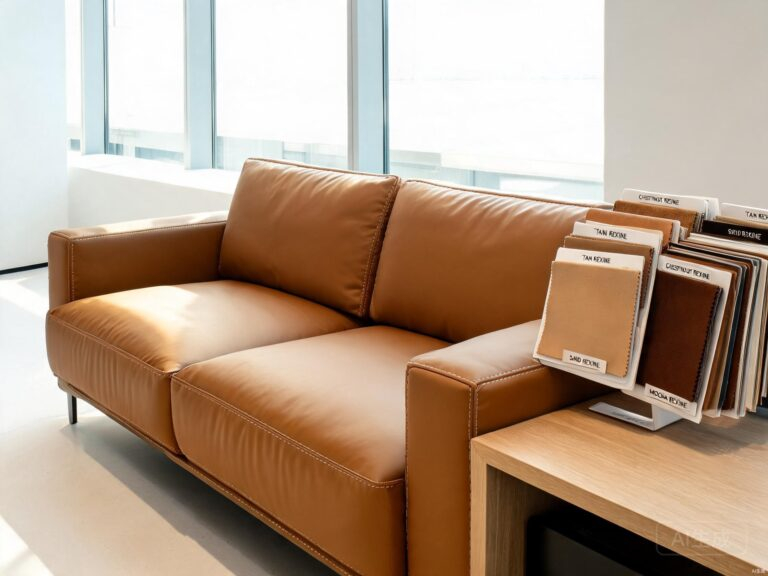
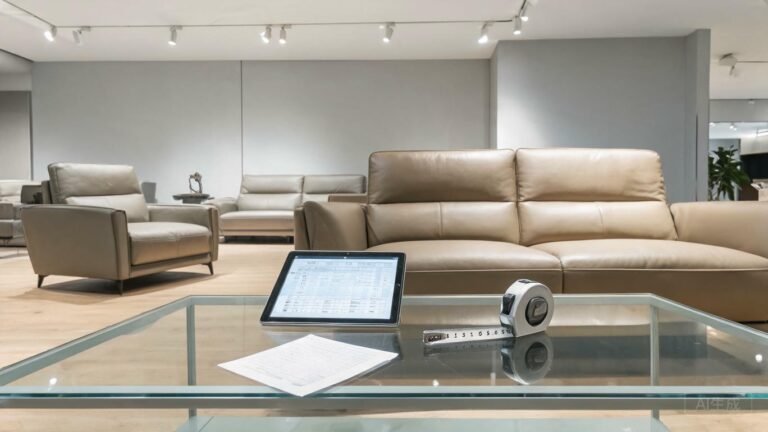
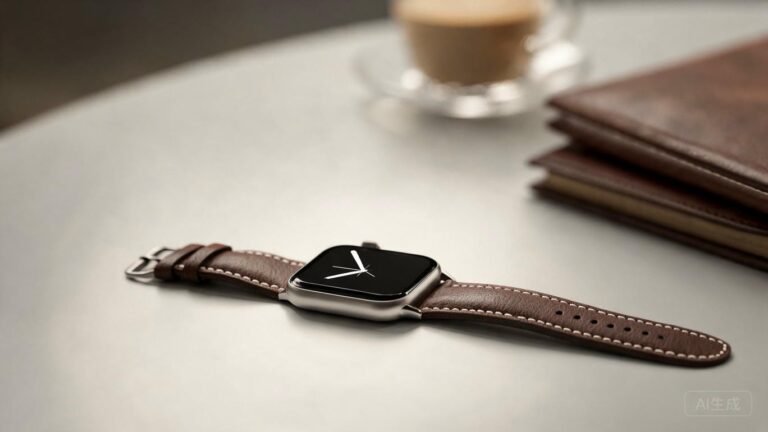
Rexine fabric is one of the most widely used synthetic leather materials across India and South Asia. Known locally as rexine cloth, this PVC-coated textile offers a low-cost alternative to genuine leather for furniture, automotive interiors, and consumer goods. However, as global buyers demand safer and longer-lasting materials, many are exploring modern alternatives. In this guide, we break down what rexine material is, how it is manufactured, its common applications, and why premium silicone leather is replacing traditional rexine sofa material in commercial projects worldwide.
What Is Rexine Cloth? Composition & Structure
Rexine cloth is an artificial leather made by coating a woven fabric base—usually cotton or polyester—with a polyvinyl chloride (PVC) layer. The result is a smooth, leather-like surface that can be embossed with grain patterns to mimic animal hide. Developed in the early twentieth century, rexine cloth became popular because it is inexpensive and easy to produce in large rolls.
Unlike polyurethane (PU) leather, rexine material relies on PVC resins mixed with plasticizers to achieve flexibility. While this keeps costs low, the presence of phthalates and other additives has raised health and environmental concerns. For this reason, European and North American markets now favor phthalate-free substitutes such as silicone-coated fabrics.
How Rexine Material Is Manufactured
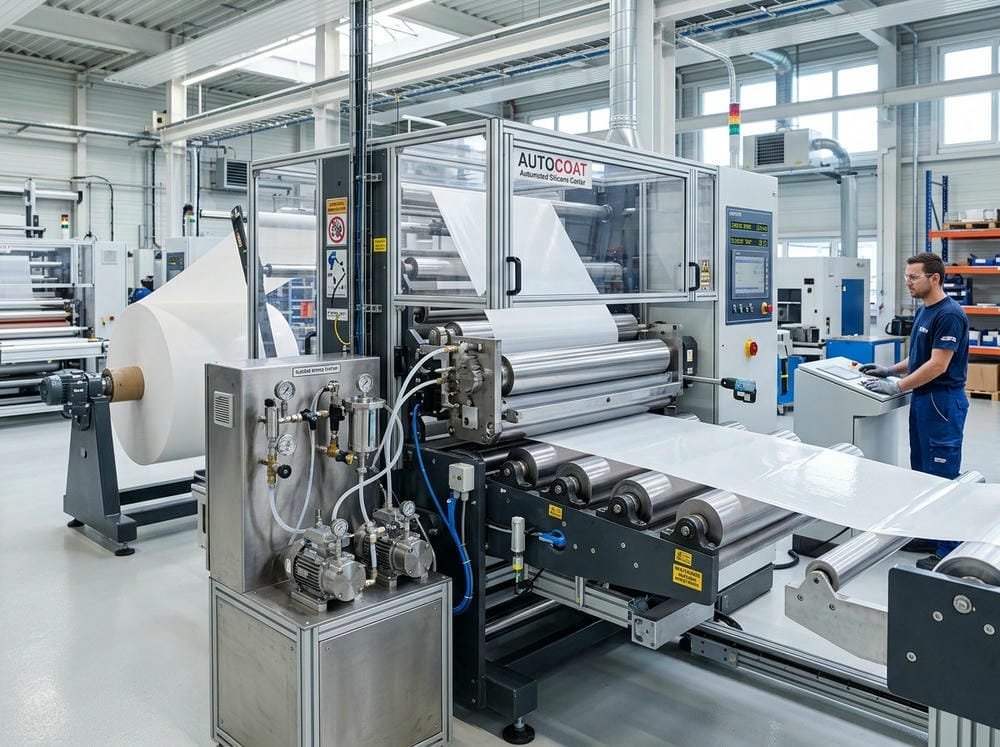
The production of rexine material follows a straightforward calendering or spreading process. First, mills weave or knit a substrate from cotton, polyester, or blended yarns. Next, they mix PVC resin with plasticizers, stabilizers, and pigments to form a plastisol paste. This paste is then spread evenly across the cloth surface using reverse-roll coaters or knife-over-roll machines.
After coating, the fabric passes through heated ovens at 150-200 °C to gel and fuse the PVC layer. Finally, the surface is cooled, embossed, and finished with a protective top coat. The entire process is economical, which is why rexine manufacturers in India and Southeast Asia can supply large volumes at minimal cost. Yet the simplicity of the process also means limited control over breathability and long-term durability. Buyers who require consistent abrasion resistance or ASTM D3690 compliance should verify testing data before placing orders.
Rexine Sofa Cloth: Common Applications

Rexine sofa cloth dominates the budget furniture segment in many emerging markets. You will find it covering domestic sofas, office chairs, dining benches, and vehicle seat covers. Because rexine upholstery resists spills and wipes clean easily, it is a practical choice for high-traffic waiting rooms, restaurants, and public transport.
In the automotive sector, low-end car interiors and two-wheeler seats still use rexine sofa material for its water resistance and low price point. That said, designers in premium segments have largely moved away from PVC-coated fabrics. Projects that require flame retardancy, UV stability, or skin-contact safety increasingly specify advanced materials such as silicone leather for automotive seating and luxury furniture.
Pros and Cons of Rexine Sofa Material
Like any material, rexine sofa material presents a clear trade-off between cost and performance. Understanding both sides helps procurement teams make informed decisions.
Pros:
- Low purchase price per linear meter
- Water-resistant and easy to wipe clean
- Available in dozens of colors and embossed patterns
- Lightweight and easy to sew or staple
Cons:
- Poor breathability causes discomfort during extended sitting
- Surface tends to crack, peel, or harden within two to four years
- Plasticizers can migrate, producing a sticky residue and odor
- Contains chlorine and phthalates that complicate end-of-life recycling
- Not suitable for extreme temperatures (effective range roughly -40 °C to 80 °C)
These limitations explain why commercial buyers are shifting toward engineered alternatives that retain the affordability of faux leather while eliminating PVC-related drawbacks. You can compare lifecycle costs in our article on faux leather furniture durability.
Finding Reliable Rexine Manufacturers & Suppliers
If your project specifically requires rexine manufacturers or rexine suppliers, sourcing from India, Pakistan, or Bangladesh offers the most competitive pricing. Most suppliers operate through regional textile hubs and can deliver bulk rolls with short lead times. When vetting a vendor, request test reports for abrasion resistance (Martindale or ASTM D4966), seam strength, and plasticizer migration.
Verify that the factory can match your required thickness, backing type, and color consistency across batches. Even if you source from established rexine suppliers, keep in mind that PVC-coated fabrics rarely meet modern sustainability or fire-safety standards for export markets. For buyers who need REACH-compliant, flame-retardant, or medical-grade upholstery, transitioning to a silicone leather factory is often the safer long-term investment.
A Better Alternative to Rexine Upholstery

When durability and safety matter more than lowest-bid pricing, silicone leather outperforms rexine upholstery on nearly every metric. TOPSUN silicone leather uses liquid silicone rubber cured onto premium woven backings, delivering a soft-touch finish without plasticizers, solvents, or PVC.
Key advantages include:
- Martindale abrasion 200,000+ cycles (High Performance Collection)
- Operating temperature from -40 °C to 250 °C
- REACH, PAHs, FDA, and ISO 10993 certifications
- Zero phthalate migration and ultra-low VOC emissions
- Custom colors, textures, thicknesses (0.23-2.0 mm), and embossing
Unlike rexine fabric, silicone leather will not crack in freezing climates or become sticky in humid conditions. It is already used in automotive seating, marine cushions, medical beds, and luxury furniture worldwide. For projects where total cost of ownership matters, the extended service life of silicone leather often offsets the higher upfront unit price.
Watch the performance test above to see how silicone leather withstands extreme flexing, staining, and temperature shifts compared with conventional PVC-coated materials.
Frequently Asked Questions
Is rexine fabric waterproof?
Yes. Rexine cloth resists water because its PVC coating creates a sealed surface. Spills wipe off easily. However, the material is not breathable. Moisture trapped underneath can cause mold or odor over time.
How long does rexine upholstery last?
In normal indoor use, rexine sofa material lasts two to four years. In high-traffic or outdoor settings, cracking and peeling may appear within twelve to eighteen months. Plasticizer migration also causes surface stickiness as the material ages.
What is the difference between rexine and PU leather?
Rexine uses a PVC coating on woven fabric. PU leather uses polyurethane resin. PU generally feels softer and breathes better than rexine. However, both materials rely on petroleum-based chemistry and face end-of-life recycling challenges.
Can silicone leather replace rexine in furniture projects?
Absolutely. Silicone leather matches the cost-efficiency of synthetic upholstery while eliminating PVC, phthalates, and plasticizers. It also offers longer service life and complies with REACH and FDA standards for export markets.
Conclusion
Rexine fabric remains a familiar name in the budget upholstery market, but its PVC-based construction brings significant long-term risks. Cracking, plasticizer migration, and limited temperature resistance make it less attractive for commercial and export applications. By contrast, silicone leather offers a future-proof alternative that satisfies strict environmental and performance standards. Whether you are furnishing a hotel lobby or specifying car interiors, choosing the right material today protects your brand reputation tomorrow.
Related Articles
Leatherette Fabric: Properties, Uses, and Sourcing Tips
Explore how leatherette compares with rexine and other coated fabrics for furniture and automotive projects.
Microfiber Leather vs Genuine Leather: A Technical Comparison
Understand durability, breathability, and cost differences between microfiber and real leather.
Microfiber Leather for Automotive: Performance & Specifications
Learn why automakers are switching to advanced synthetic leathers for seats and interiors.
About TOPSUN Silicone Leather
TOPSUN Silicone Leather is a China-based manufacturer with 8+ years of experience producing custom silicone leather for 30+ countries. Our six product series cover thicknesses from 0.23 mm to 2.0 mm, including Classic, Ultra Thin, Designer, Rigid Substrate, High Performance, and Super Flame Retardant grades. We offer full customization of color, texture, thickness, backing fabric, and embossing, backed by ISO, REACH, PAHs, and FDA certifications. Contact us for free samples and technical data sheets.