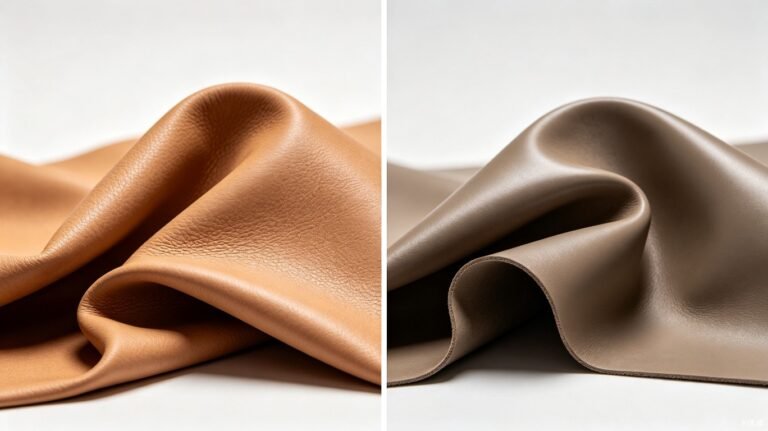
When sourcing synthetic leather for manufacturing, buyers frequently compare PU leather vs PVC leather. These two materials dominate the faux leather market because they offer affordable alternatives to genuine leather while meeting diverse industrial requirements. However, the difference between PU and PVC goes far beyond surface appearance. Understanding their unique properties helps manufacturers select the right material for furniture, automotive interiors, fashion accessories, marine applications, and more.
In this comprehensive guide, we break down the pu and pvc difference across composition, performance, durability, and environmental impact. We also introduce silicone leather as a third-generation material that addresses the limitations of both conventional options. Whether you are a product designer, procurement manager, or materials engineer, this article provides the technical insights needed to make an informed specification decision.
What Is PU Leather?
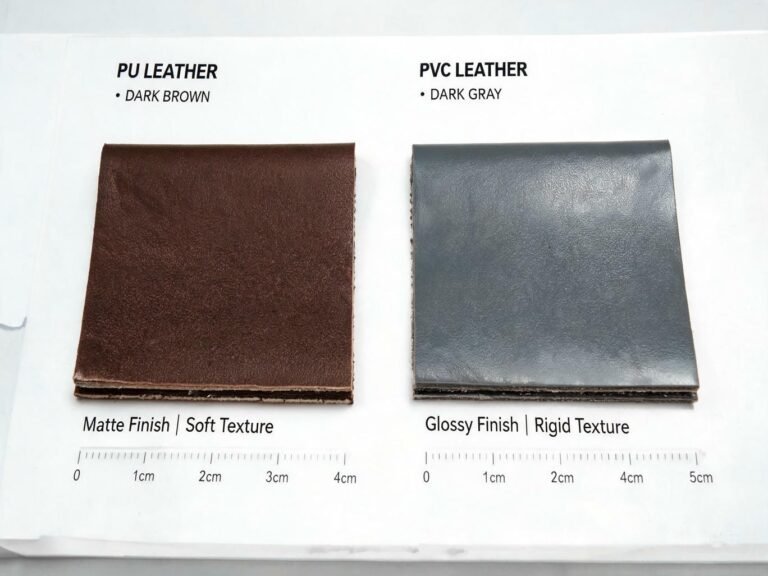
Polyurethane leather, commonly called PU leather, is a synthetic material made by applying a polyurethane coating to a woven or non-woven fabric base. This construction gives PU leather a softer, more flexible hand feel that closely resembles genuine leather. Manufacturers favor PU leather for applications where comfort and aesthetics matter, such as residential upholstery, apparel, handbags, and consumer goods.
Unlike PVC, PU leather does not require plasticizers to achieve flexibility, which positively influences its environmental footprint and aging behavior. The microporous structure of polyurethane allows for better air circulation, making pu and pvc leather comparisons heavily favor PU in seating and wearable applications. If you want to understand the fundamentals, read our detailed explanation of what is PU leather and explore our broader guide on what is faux leather.
What Is PVC Leather?
Polyvinyl chloride leather, known as PVC leather or vinyl leather, consists of a PVC resin layer applied to a fabric backing. PVC leather is inherently stiffer than PU but offers superior water resistance and is generally less expensive to produce per linear meter. The material contains plasticizers that make it flexible, though these additives can migrate over time and cause surface cracking or hardening.
When evaluating pu pvc leather options for industrial use, PVC remains a popular choice for cost-sensitive projects and applications demanding rigorous moisture barriers. It performs well in marine seating, outdoor furniture, medical mattresses, and commercial environments where frequent disinfection is required. The non-porous surface resists most cleaning chemicals, giving PVC an advantage in hygiene-critical settings.
PU Leather vs PVC Leather: Key Differences
Understanding the difference between pu and pvc requires examining several technical factors that directly impact manufacturing decisions, product lifespan, and end-user satisfaction. Below is a detailed comparison across critical performance categories.
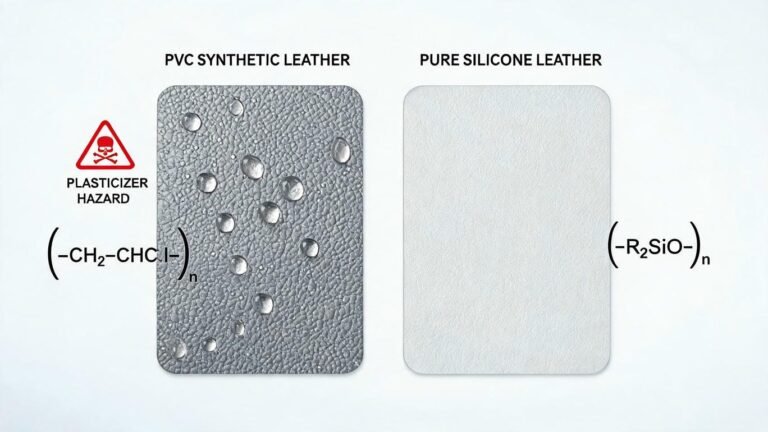
Material Composition: PU leather uses polyurethane polymers without chlorine content. PVC leather contains chlorine-based polymers and relies on external plasticizers for flexibility.
Hand Feel and Comfort: PU leather feels noticeably softer and more natural under touch. PVC leather tends to be firmer and can present a rubbery or plastic-like tactile sensation.
Breathability: PU leather offers superior breathability due to its microporous structure. PVC leather is nearly impermeable, which can cause heat buildup and discomfort in prolonged seating applications.
Durability: PVC leather typically resists abrasion, moisture, and chemical exposure better than standard PU. However, PU leather formulations with enhanced topcoats can approach similar durability levels.
Maintenance: Both materials clean easily with mild soap and water. PVC leather withstands harsher cleaning agents and disinfectants, making it preferable for healthcare and hospitality settings.
Cost Structure: PVC leather usually costs less per meter than PU leather, making it attractive for high-volume, low-margin production runs. PU leather commands a premium for its aesthetic and comfort advantages.
Performance in Real-World Applications
The pu and pvc difference becomes especially clear when evaluating specific industrial use cases. Material specification should always align with the functional demands of the end product and the environmental conditions it will face.
In furniture and sofa manufacturing, PU leather provides the plush seating experience and natural grain appearance that residential consumers expect. It drapes well over complex cushion shapes and resists the cold, sticky feeling associated with synthetic surfaces. For contract and commercial furniture requiring heavy-duty wipeability and bleach resistance, PVC leather offers a practical, lower-cost alternative. Learn more about our furniture and sofa applications.

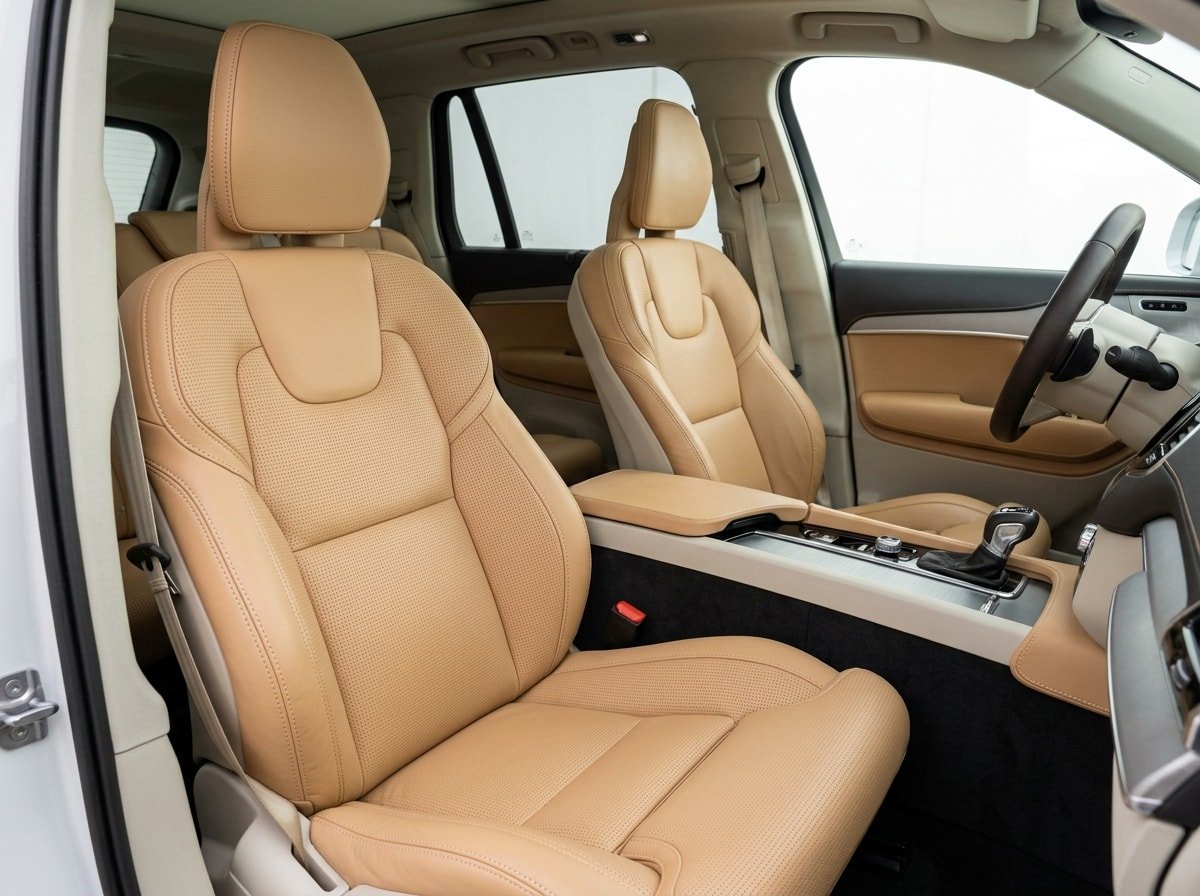
Automotive interior suppliers often select PU leather for door panels, headrests, and steering wheel covers where tactile quality and aesthetic refinement matter. PVC leather appears in floor mats, trunk liners, and lower-trim pieces where cost control and moisture resistance take priority. Explore our solutions for automotive interiors.
For 3C accessories, fashion goods, and sports equipment, PU leather delivers the premium look and soft touch that brands demand for positioning at higher price points. PVC leather serves budget product lines and items where waterproofing is essential. Understanding these distinctions ensures you specify the correct material for each product category rather than defaulting to the lowest cost option.
Environmental and Safety Considerations
Neither PU nor PVC leather qualifies as fully sustainable, but important distinctions exist in their production chemistry and end-of-life behavior. Regulatory pressures in the European Union, California, and other major markets continue to tighten restrictions on hazardous substances in synthetic materials.
PVC production releases dioxins and requires plasticizers that may contain phthalates, raising significant health and environmental concerns. The chlorine content in PVC also complicates recycling and can produce harmful emissions if incinerated. These factors drive many OEMs to seek a pvc alternative that maintains performance without the associated risks.
PU leather manufacturing uses fewer toxic inputs and generates less harmful byproduct compared to PVC. It does not contain chlorine and relies on simpler polymer chemistry. However, standard PU leather still depends on petroleum feedstocks and isocyanates, and it remains vulnerable to hydrolysis degradation in humid climates. Both materials fall short of emerging bio-based or silicone-based standards for truly eco-friendly production.
Third-party certifications from organizations like ASTM International and ISO provide frameworks for evaluating material safety, though not all suppliers test consistently against these standards.
Why Silicone Leather Is the Next-Generation Alternative
While PU and PVC leather have served industry needs for decades, silicone leather represents a fundamental advancement in synthetic material science. As a pu vinyl leather alternative, silicone leather from TOPSUN combines liquid silicone rubber with specialized substrates to create a material free of plasticizers, solvents, heavy metals, and phthalates.
Silicone leather delivers exceptional durability across temperature ranges from -50 degrees Celsius to 200 degrees Celsius, resists hydrolysis for over ten years, and meets stringent medical and automotive OEM standards including FDA, REACH, and RoHS compliance. Unlike conventional synthetics, silicone leather offers a cleaner manufacturing process, longer service life, and recyclability advantages that reduce total cost of ownership.
For manufacturers evaluating long-term material strategies, silicone leather provides the comfort and aesthetic flexibility of PU, the toughness and chemical resistance of PVC, and environmental credentials that neither conventional material can match. It has already been adopted by leading brands in automotive, marine, medical, and consumer electronics sectors. Learn more about silicone leather technology and read our comprehensive silicone faux leather guide.
Conclusion
Choosing between PU leather vs PVC leather depends on your specific application, budget constraints, and performance targets. PU leather excels in comfort, breathability, and aesthetic refinement, while PVC leather offers superior moisture resistance, chemical tolerance, and lower unit cost. Yet both face environmental limitations and performance ceilings that modern manufacturing increasingly cannot accept.
Silicone leather emerges as the third-generation solution, delivering superior durability across extreme conditions, enhanced safety through elimination of toxic additives, and sustainability credentials aligned with global regulatory trends. Whether you produce luxury furniture, automotive components, medical devices, or consumer goods, upgrading your material specification to silicone leather can differentiate your products in competitive markets and future-proof your supply chain against tightening chemical regulations.
Related Articles
Difference Between Faux Leather and Real Leather
Understand how synthetic alternatives compare to genuine hides across durability, cost, maintenance, and sustainability metrics.
Silicone Leather: Eco-Friendly Faux Leather
Explore why silicone leather is recognized as a truly sustainable alternative to petroleum-based synthetic leathers.
How to Choose a Silicone Leather Factory
Key criteria for evaluating silicone leather manufacturers, from R&D capability and testing standards to production capacity.
About TOPSUN Silicone Leather
TOPSUN Silicone Leather is a leading manufacturer of high-performance silicone-coated fabrics for industrial and consumer applications. Headquartered in China with global distribution networks, TOPSUN serves automotive OEMs, furniture manufacturers, marine outfitters, medical device producers, and consumer electronics brands.
Our materials undergo rigorous testing to meet ASTM, ISO, and OEM-specific standards, including abrasion resistance, flammability, hydrolysis stability, and chemical exposure protocols. We provide free material samples, custom color matching, technical data sheets, and engineering support for material conversion projects. TOPSUN operates modern production facilities with integrated quality laboratories to ensure batch consistency and traceability from raw material to finished roll.
For more information about our silicone leather product lines, application engineering services, or to discuss your specific material requirements, please contact our technical sales team.