The global synthetic leather market reached $41.05 billion in 2024. It is projected to grow to $115.39 billion by 2033, at a CAGR of 12.33% according to Grand View Research. This rapid growth shows one clear fact. Buyers worldwide are shifting to synthetic alternatives.
But choosing the right faux leather type is critical for product success. The wrong material choice can ruin your product quality. It can also increase your costs and damage your brand reputation.
This article covers the four main faux leather types in detail. You will learn about PU, PVC, microfiber, and silicone leather. We compare their properties, pros, cons, and best applications. By the end, you will know exactly which material fits your business needs.
Understanding the Different Types of Faux Leather
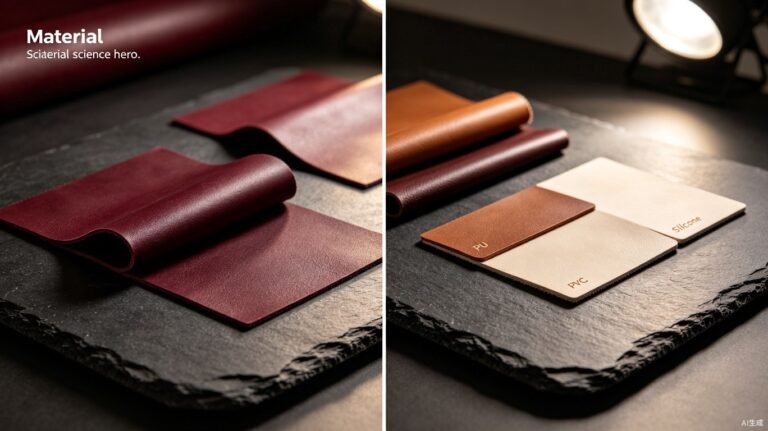
When sourcing materials, understanding the types of faux leather is essential. Each type has a unique composition. Each offers different performance benefits. The four main categories include:
- PU (Polyurethane) Leather —The most widely used synthetic leather today.
- PVC (Polyvinyl Chloride) Leather —The oldest and most budget-friendly option.
- Microfiber Leather —A premium alternative that rivals genuine leather.
- Silicone Leather —The newest generation with advanced eco-friendly properties.
Each of these faux leather types serves different market segments. Your choice depends on your product requirements. Budget, durability, and environmental standards all play a role. For a deeper overview, read our guide on what is faux leather.

PU Leather: The Most Popular Faux Leather Material
PU leather dominates the synthetic leather market. It holds a 57% market share globally as of 2024. This makes it the most common faux leather material in the industry. PU stands for polyurethane. It is a polymer coating applied to a fabric base.
PU Leather Composition
PU leather consists of a polyurethane coating bonded to a textile backing. The fabric base is usually polyester or cotton. The polyurethane layer provides the leather-like surface. Modern PU leather can closely mimic the look and feel of genuine leather.
Key Properties of PU Leather
- Soft and flexible —Comfortable to the touch and easy to work with.
- Breathable —Allows air to pass through better than PVC alternatives.
- Waterproof —Resists water and moisture effectively.
- Lightweight —Lighter than genuine leather by a significant margin.
- UV resistant —Remains unaffected by prolonged sunlight exposure.
- Eco-friendlier than PVC —Does not emit dioxins during production.
Pros and Cons of PU Leather
Advantages:
- Excellent cost-to-performance ratio for most applications.
- Available in a wide variety of colors, textures, and finishes.
- Easy to clean and maintain with simple wiping.
- Suitable for dry cleaning in most cases.
Disadvantages:
- Less durable than microfiber leather over extended use.
- Can crack or peel if exposed to extreme temperatures.
- Not fully biodegradable at end of life.
Common Applications for PU Leather
PU leather is used across many industries. Its versatility makes it a top choice for manufacturers worldwide.
- Automotive interiors —Widely used for car seats, dashboards, and steering wheel covers. Learn more about automotive interiors.
- Furniture upholstery —Popular for sofas, chairs, and office seating.
- Footwear —Used for shoe uppers, linings, and accessories.
- Fashion accessories —Bags, wallets, belts, and jackets.
- Consumer electronics —Device covers and protective cases.
For more detailed specifications, check our complete PU leather guide.

PVC Leather: Budget-Friendly but Comes with Trade-offs
PVC leather is the oldest form of synthetic leather. It was first created in 1920. Today, it remains one of the most recognized types of fake leather on the market. PVC stands for polyvinyl chloride. It is a plastic-based material that offers unique benefits and serious limitations.
PVC Leather Composition
PVC leather is made from polyvinyl chloride resin mixed with plasticizers. These plasticizers make the material flexible. The mixture is then coated onto a fabric backing. The result is a durable, water-resistant surface.
Key Properties of PVC Leather
- Hard and sturdy —More rigid than PU leather alternatives.
- Less elastic —Does not stretch or conform as easily.
- Very water-resistant —Offers excellent moisture protection.
- Low cost —The most affordable synthetic leather option.
- Difficult to breathe —Poor air circulation through the material.
Pros and Cons of PVC Leather
Advantages:
- Highly cost-effective for large-volume production runs.
- Strong resistance to water, stains, and daily wear.
- Easy to manufacture in many colors and patterns.
- Good for applications that do not require flexibility.
Disadvantages:
- Contains phthalates —Studies show that 85% of PVC leather products contain phthalates above recommended safety levels. This raises serious health concerns.
- Poor breathability makes it uncomfortable for clothing and seating.
- Sticky feel that does not retain body heat well.
- Environmental concerns due to non-biodegradable composition.
- Restricted in many European markets due to chemical regulations.
Common Applications for PVC Leather
PVC leather is best suited for budget-conscious applications. It works well where flexibility and breathability are not critical.
- Shopping bags and cosmetic bags —Low-cost carrying solutions.
- Book covers and stationery —Rigid protective covering needs.
- Budget footwear —Entry-level shoe production.
- Household items —Table covers, placemats, and organizers.
- Wallets and purses —Affordable fashion accessories.
Buyers should be aware of increasing regulatory pressure on PVC materials. The EU REACH regulation restricts many phthalates used in PVC production. Always verify compliance before sourcing PVC leather for European markets.
Microfiber Leather: Premium Performance That Rivals Genuine Leather
Microfiber leather represents the premium tier among different types of faux leather. It is engineered to closely replicate the structure of genuine leather. Many industry experts consider it the closest synthetic alternative to real animal hide.
Microfiber Leather Composition
Microfiber leather is built from a 3D ultra-fine fiber network. The fibers are less than 1 micron in diameter. This creates a non-woven structure that mimics the collagen fiber network found in natural leather. A polymer coating is then applied to the surface for texture and protection.
Key Properties of Microfiber Leather
- Highest abrasion resistance —Outperforms both PU and PVC in durability tests.
- Excellent breathability —Superior air circulation compared to other synthetics.
- Soft and supple —Feels very close to genuine leather to the touch.
- High tear strength —Resists ripping and puncture damage.
- Good moisture management —Absorbs and releases moisture effectively.
Pros and Cons of Microfiber Leather
Advantages:
- Performance that rivals or exceeds genuine leather in many tests.
- Consistent quality without the variations found in natural hides.
- More environmentally friendly than animal leather production.
- Available in premium textures that impress discerning buyers.
Disadvantages:
- Higher cost than PU and PVC leather alternatives.
- More complex manufacturing process leads to longer lead times.
- Limited supplier base compared to PU leather producers.
Common Applications for Microfiber Leather
Microfiber leather is the material of choice for high-end products. It delivers premium performance where quality cannot be compromised.
- Luxury automotive interiors —Premium car seats and dashboard trims.
- High-end footwear —Designer shoes and performance sports footwear.
- Premium furniture —Luxury sofas and executive office chairs. Explore our furniture and sofa applications.
- Sports equipment —Golf gloves, basketball covers, and athletic gear.
- Electronic device covers —Premium phone cases and laptop sleeves.

Silicone Leather: The Next-Generation Faux Leather Composition
Silicone leather is the newest advancement in faux leather composition. It uses silicone polymer technology instead of traditional polyurethane or PVC. This makes it a truly next-generation material. It addresses many of the environmental and performance limitations of older synthetic leathers.
Silicone Leather Composition
Silicone leather is made from a silicone polymer coating applied to a fabric substrate. The silicone layer is free from harmful chemicals. It contains no plasticizers, no phthalates, and no volatile organic compounds (VOCs). The fabric base can be polyester, nylon, or other technical textiles.
Key Properties of Silicone Leather
- Zero VOC emissions —Completely free from volatile organic compounds.
- UV resistant for 1200+ hours —Outstanding resistance to sun degradation.
- Flame retardant —Meets strict fire safety standards without additives.
- 200,000+ flex cycles at -30 degrees Celsius —Remains flexible in extreme cold.
- Hypoallergenic —Safe for sensitive skin and medical contact.
- Eco-friendly —No toxic chemicals in production or disposal.
Pros and Cons of Silicone Leather
Advantages:
- Unmatched environmental safety profile among all faux leather types.
- Exceptional performance in extreme temperature conditions.
- Naturally flame retardant without chemical treatments.
- Superior UV resistance for outdoor and marine applications.
- Meets strict European and American environmental regulations.
Disadvantages:
- Higher price point than PU and PVC leather.
- Fewer color and texture options currently available.
- Smaller supplier network limits bulk sourcing options.
Common Applications for Silicone Leather
Silicone leather excels in demanding environments. Its unique properties make it ideal for specialized applications.
- Outdoor furniture —Withstands sun, rain, and temperature extremes.
- Marine upholstery —Saltwater resistant and UV stable for boat seating.
- Automotive interiors —Meets strict vehicle safety and emission standards. Read our silicone leather introduction for details.
- Medical equipment —Hypoallergenic and safe for patient contact surfaces.
- Baby products —Non-toxic and safe for infant furniture and accessories.
Silicone leather meets the OEKO-TEX LEATHER STANDARD requirements for harmful substance testing. This certification ensures the material is safe for direct skin contact.
Faux Leather Properties Compared: Which Type Is Right for Your Product?
Choosing between faux leather types requires a clear comparison. The table below summarizes the key properties of each material. Use this to quickly identify the best option for your specific product needs.
| Property | PU Leather | PVC Leather | Microfiber Leather | Silicone Leather |
|---|---|---|---|---|
| Durability | Good | Moderate | Excellent | Excellent |
| Breathability | Good | Poor | Excellent | Good |
| Water Resistance | High | Very High | Moderate | High |
| UV Resistance | Good | Moderate | Good | Excellent |
| Eco-Friendliness | Moderate | Low | Good | Excellent |
| Cost | Low-Medium | Low | High | Medium-High |
| Typical Applications | Auto, furniture, footwear | Bags, budget items | Luxury cars, premium shoes | Outdoor, marine, medical |

Choosing Faux Leather for Footwear Uppers and Beyond
Footwear is the largest application segment for synthetic leather. It accounts for 29.11% of global market revenue. Selecting the right faux leather upper material is crucial for shoe manufacturers.
Here is how each type performs in footwear applications:
- PU Leather —Best for everyday casual and fashion shoes. Offers good flexibility and a wide range of finishes. Ideal for mid-range footwear production.
- PVC Leather —Suitable for budget footwear only. Limited flexibility and poor breathability make it less ideal for comfort-focused shoes.
- Microfiber Leather —The top choice for premium and athletic footwear. Its superior abrasion resistance handles high-impact activities. Excellent for performance sports shoes.
- Silicone Leather —Ideal for specialized footwear like medical shoes and outdoor boots. Its hypoallergenic nature suits sensitive-footwear applications.
When sourcing materials for shoe uppers, consider these key factors:
- Flexibility requirements —How much the material must bend during walking.
- Breathability needs —Important for all-day wear comfort.
- Water exposure —Will the shoes face rain, snow, or wet conditions?
- Target market positioning —Budget, mid-range, or premium segment.
Conclusion: Selecting the Right Faux Leather Types for Your Business
Understanding faux leather types is essential for making smart sourcing decisions. Each material offers distinct advantages for different applications.
Key takeaways from this guide:
- PU leather is the most versatile and widely used option. It covers 57% of the global market. Best for general-purpose automotive, furniture, and footwear applications.
- PVC leather is the cheapest option but carries health and environmental risks. Suitable only for budget products with low regulatory requirements.
- Microfiber leather delivers premium performance closest to genuine leather. Ideal for luxury automotive, high-end footwear, and premium furniture.
- Silicone leather is the future of eco-friendly synthetic leather. It offers zero VOC, extreme temperature resistance, and natural flame retardancy. Perfect for outdoor, marine, medical, and automotive applications.
The synthetic leather market is growing rapidly. Your material choice today will impact your product quality, brand reputation, and regulatory compliance tomorrow. Take the time to evaluate your specific needs. Test samples before committing to large orders.
TOPSUN is a leading silicone leather manufacturer based in China. We specialize in custom silicone leather for automotive interiors, furniture, marine, medical, and more. With ISO-certified production and zero-VOC materials, we serve B2B buyers worldwide.