Download Our Free Product Catalog
Explore 100+ textures, 6 collections, and full technical specifications.
What Are the Different Types of Leather?
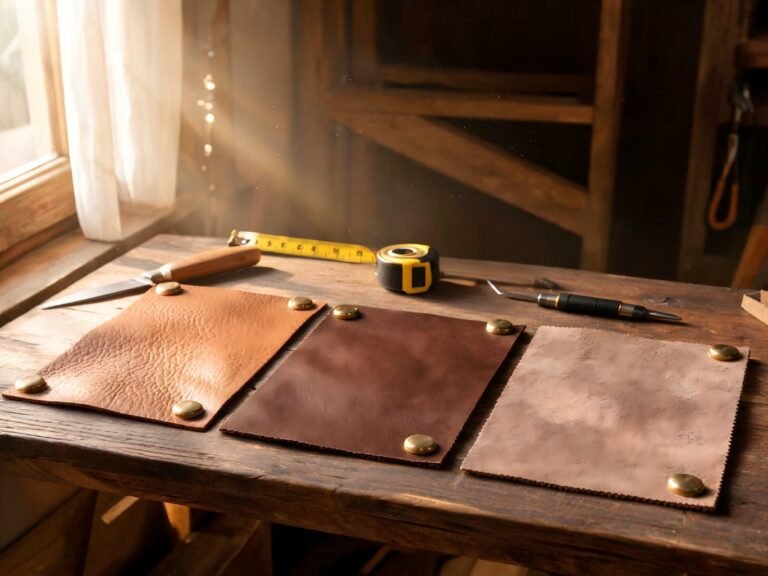
Choosing the right types of leather can make or break your product. Leather is not one material. It is a broad category. Each kind has unique properties. Each type suits specific applications. Your sourcing decision depends on durability, cost, and compliance needs. Understanding all types of leather is the first step.
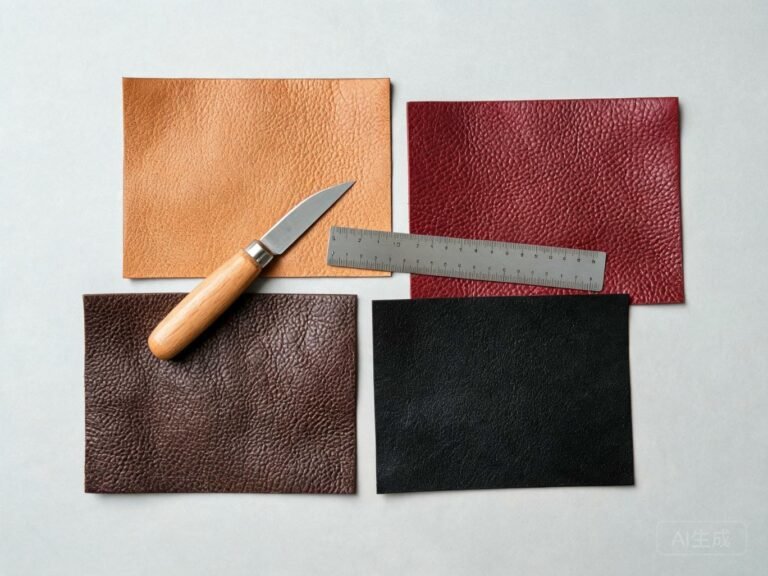
The kinds of leather available today span two main groups. Natural leather comes from animal hides. Synthetic leather is man-made. Both have their place in modern manufacturing. Understanding the leather classification system helps you make informed choices. The types of leather you evaluate will shape your product.
B2B buyers in the EU and US face strict regulations. REACH, FDA, and fire safety standards matter. The leather grade you select affects compliance, cost, and end-user satisfaction. This guide covers every major leather type. We compare all types of leather side by side.
Leather Classification: How Leather Grades Work
Leather classification starts with the hide itself. Animal skin has multiple layers. The outermost layer is the grain. It is the strongest part. Beneath it lies the corium. Then comes the flesh layer. How the hide is split determines the leather grade. Different types of leather emerge from different processing methods.
The leather standard hierarchy is well established. Full grain sits at the top. Top grain follows. Genuine leather ranks third. Bonded leather is the lowest natural grade. Each step down involves more processing. More processing means lower durability. It also means lower cost.
Synthetic leather grades follow a different hierarchy. PU leather offers better feel than PVC. Microfiber leather mimics the real thing most closely. Silicone leather is the newest category. It outperforms all other types of leather in key metrics. Let us explore each type in detail.

Natural Leather Types
Natural types of leather come directly from animal hides. The most common source is cowhide. Calfskin, sheepskin, and goatskin are also used. Each source yields different properties. The way the hide is processed determines the final leather grade. Four main natural types of leather exist in the market.
Full Grain Leather
Full grain leather is the highest leather grade. It uses the hide’s entire top layer. No sanding. No buffing. The natural grain remains intact. This is the most durable natural leather. It develops a rich patina over time. It is also the most expensive option.
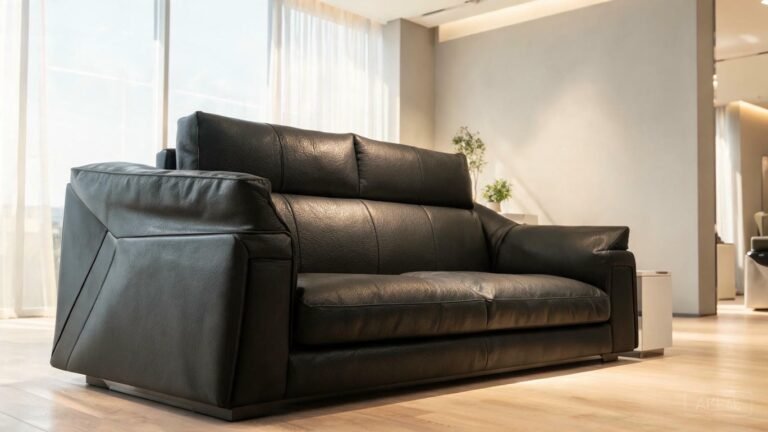
B2B applications include luxury furniture and high-end automotive interiors. It also appears in premium leather goods. Full grain leather lasts decades with proper care. It is not waterproof by nature. It requires maintenance. For buyers seeking prestige, this is the gold standard.
Top Grain Leather
Top grain leather is the second highest leather grade. The top surface is sanded away. Imperfections are removed. A finish coat is then applied. This makes the leather more uniform. It is also more stain resistant. However, it is less breathable than full grain.
This leather type is common in mid-range furniture. It is widely used in automotive seating. It balances quality with cost. Top grain offers a clean, consistent look. It does not develop the same patina as full grain. It is a practical choice for volume production.
Genuine Leather
Genuine leather is a lower leather grade. It comes from the corium layer below the grain. The surface is heavily processed. A synthetic finish is applied. Despite the name, it is not premium. The term “genuine” refers only to real leather origin. It does not indicate quality.
This leather type is affordable. It is used in budget furniture and accessories. It has lower durability. It may crack or peel over time. For B2B buyers, genuine leather offers a cost-effective entry point. But it is not built for heavy use or long life.
Bonded Leather
Bonded leather is the lowest leather grade in the natural category. It is made from leather scraps and fibers. These are bonded together with polyurethane or latex. A leather-like grain is embossed on top. It contains only 10-20% real leather.
Bonded leather is very inexpensive. It is used in low-cost furniture and bookbinding. It has poor durability. It peels and flakes quickly. It is not a long-term solution. For most B2B applications, even a good synthetic alternative is a better choice.
Synthetic Leather Types
Synthetic types of leather are man-made alternatives. They use fabric backings and polymer coatings. These materials have improved dramatically over the years. Modern synthetic types of leather can rival natural leather in feel and performance. Three main synthetic types of leather dominate the B2B market today.
PU Leather (Polyurethane)
PU leather is a popular leather type fabric. It uses a fabric backing coated with polyurethane. The surface is embossed to mimic real leather grain. PU leather is softer than PVC. It is more flexible. It is also more breathable. It is a step up from PVC in quality.
PU leather is widely used in fashion accessories. It appears in mid-range furniture and automotive interiors. It is vegan-friendly. It is not as durable as real leather. It typically lasts 3-5 years. For more on PU leather, read our detailed guide.
PVC Leather (Polyvinyl Chloride)
PVC leather is the most affordable synthetic option. It is made by coating fabric with PVC and plasticizers. It is also called vinyl leather. PVC is stiff and less breathable. It can crack in cold temperatures. It may emit VOCs over time.
PVC leather is used in budget upholstery and automotive trim. It is common in mass-market products. It has the shortest lifespan among synthetics. Environmental concerns around PVC are growing. EU regulations are tightening on phthalate plasticizers. Many B2B buyers are moving away from PVC.
Microfiber Leather
Microfiber leather is the most realistic synthetic. It uses ultra-fine polyester and nylon fibers. These are combined with PU resin. The result is a material that closely mimics real leather. It has excellent breathability. It feels soft and natural. It is also very durable.
Microfiber leather is used in premium automotive interiors. It appears in sports equipment. It is found in high-end furniture. It costs more than PU or PVC. But it performs better in every way. It is a strong alternative to mid-grade natural leather. Learn more about faux leather and how it compares to real leather.
Advanced Leather Types: Silicone Leather
Silicone leather is the newest leather type on the market. It is a premium smart surface material. It uses liquid silicone rubber bonded to a substrate. The result is a material that outperforms all other leather types. It is the future of high-performance surfaces. Among emerging types of leather, silicone leads the innovation curve.
Silicone leather is 100% waterproof. It is completely free of VOCs. It withstands extreme temperatures from -40C to 250C. It achieves 200,000+ Martindale cycles. Its lifespan is 10-15+ years. No other leather type comes close to these metrics. Learn more at our silicone leather introduction page.
TOPSUN is a leading silicone leather manufacturer. We operate 18 automated production lines. Our annual capacity is 6 million meters. We hold certifications including REACH, FDA, ISO 10993, and EN 13773 Class 4. Our silicone leather meets FAR 25.853 flame retardancy standards. It is PAHs compliant. Browse our Classic, High Performance, Ultra-Thin, and Super Flame Retardant collections.
Talk to Our Leather Experts
Get personalized advice on the best leather type for your project. Free consultation.
Comprehensive Leather Type Comparison Table
The table below compares every major leather type across six critical dimensions. Use it to guide your sourcing decisions. All data is based on industry standards and independent testing. No other guide covers all types of leather in this level of detail.
| Type | Material Source | Durability | Eco-Friendliness | Typical Applications | Price Range |
|---|---|---|---|---|---|
| Full Grain | Top layer of animal hide (cowhide, calfskin) | Very High (20+ years) | Low (tanning chemicals) | Luxury furniture, premium automotive, high-end bags | $$$$ |
| Top Grain | Sanded top layer of animal hide | High (10-15 years) | Low (tanning chemicals) | Mid-range furniture, automotive seats, handbags | $$$ |
| Genuine | Lower corium layer of animal hide | Medium (3-7 years) | Low (tanning chemicals) | Budget furniture, belts, wallets, accessories | $$ |
| Bonded | Leather scraps + PU/latex binder (10-20% real leather) | Low (1-3 years) | Low (mixed materials) | Low-cost furniture, bookbinding, stationery | $ |
| PU Leather | Fabric backing + polyurethane coating | Medium-Low (3-5 years) | Medium (solvent-based PU has VOCs) | Fashion accessories, mid-range furniture, automotive | $$ |
| PVC Leather | Fabric backing + PVC + plasticizers | Low (2-4 years) | Low (phthalates, VOCs, chlorine) | Budget upholstery, automotive trim, mass-market goods | $ |
| Microfiber | Ultra-fine polyester/nylon fibers + PU resin | High (8-12 years) | Medium (microplastic shedding) | Premium automotive, sports equipment, high-end furniture | $$$ |
| Silicone Leather | Liquid silicone rubber + substrate (fabric or rigid) | Very High (10-15+ years) | Very High (Zero VOC, fully recyclable) | Automotive, furniture, 3C electronics, medical, marine, baby products, fashion | $$$ |
Sources: Industry standards (ISO), third-party testing data (SGS), and TOPSUN internal R&D. Durability estimates are based on normal use conditions.
How to Choose the Right Leather Type
Selecting the right leather type for your product is a strategic decision. Start with your application requirements. What conditions will the material face? Indoor or outdoor? High or low traffic? Will it contact skin or food? These questions narrow your options. Most types of leather are designed for specific use cases.
Next, consider your compliance needs. EU buyers must meet REACH regulations. US buyers need FDA compliance for food contact. Automotive interiors require flame retardancy. Medical applications need ISO 10993 biocompatibility. Not all leather types can meet these standards.
Then evaluate your budget and volume. Full grain leather is premium but expensive. PVC is cheap but performs poorly. Silicone leather offers the best value over its 10-15+ year lifespan. The upfront cost is moderate. The total cost of ownership is very low. When comparing types of leather, think long-term value.
Finally, think about your brand. Consumers today care about sustainability. They want safe, non-toxic materials. They demand durability. Silicone leather delivers on all three fronts. It is zero VOC. It is 100% waterproof. It lasts longer than any other leather type fabric.

TOPSUN Silicone Leather: The Next Generation
TOPSUN silicone leather redefines what a leather type can be. Our material is built on 233 patents. We have 12+ R&D engineers. We run 18 automated lines across 3 production bases. Our annual output is 6 million meters. We serve B2B buyers across the EU and US markets. Among all types of leather, silicone offers the best performance-to-cost ratio.
Our silicone leather properties are unmatched. Zero VOC emissions. Complete waterproof performance. 200,000+ Martindale abrasion resistance. Temperature range from -40C to 250C. A lifespan of 10-15+ years. These are not marketing claims. They are verified by SGS and ISO testing.
We offer six product collections. The Classic Collection covers general applications. The Ultra-Thin Collection goes down to 0.23mm. The High Performance Collection is built for extreme conditions. The Super Flame Retardant Collection meets FAR 25.853. Our Rigid Substrate and Designer collections complete the lineup.
OEM and ODM services are our specialty. We offer custom colors with no minimum order. We provide 100+ textures. Our thickness range is 0.23-3.0mm. Applications span automotive, furniture, 3C electronics, fashion, medical, marine, and baby products. Whatever your industry, we have a solution. Our silicone material outperforms traditional types of leather across every metric.
Company Introduction & Certifications
TOPSUN is a world-class silicone leather manufacturer. We are headquartered in China with three production bases. Our 18 automated lines produce 6 million meters annually. We employ 12+ R&D engineers. We hold 233 patents. We are the partner of choice for B2B buyers who demand the best types of leather.
Our Certifications
FDA
ISO 10993
EN 13773 Class 4
FAR 25.853
PAHs
View all certifications on our certificates page.
Our silicone leather is trusted by leading brands worldwide. It meets the most demanding regulatory standards. From REACH in the EU to FDA in the US and FAR 25.853 for aerospace, we cover every requirement. Our full certification portfolio is available for review.
We invite you to learn more about the types of leather we manufacture. Explore our silicone leather introduction for technical details. Watch our silicone leather properties video to see our material in action. For a complete overview of all types of leather, contact our team today.
Get a Quote for Your Project
Tell us your requirements. We will recommend the best silicone leather solution. Free samples available.
Email: info@topsunsiliconeleather.com | Tel: +86 186 6583 5695