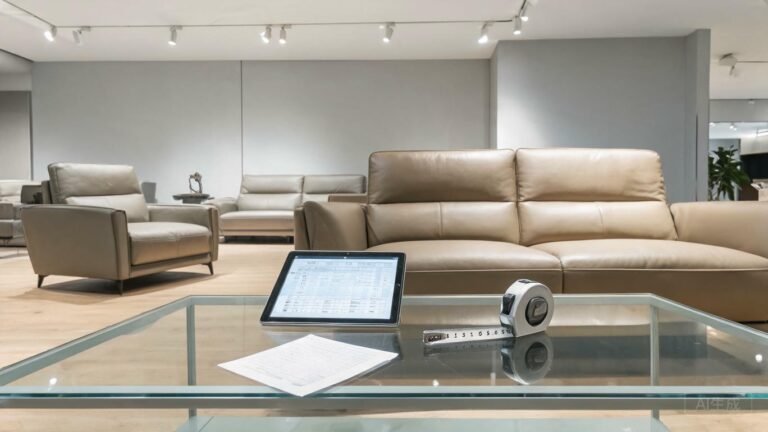
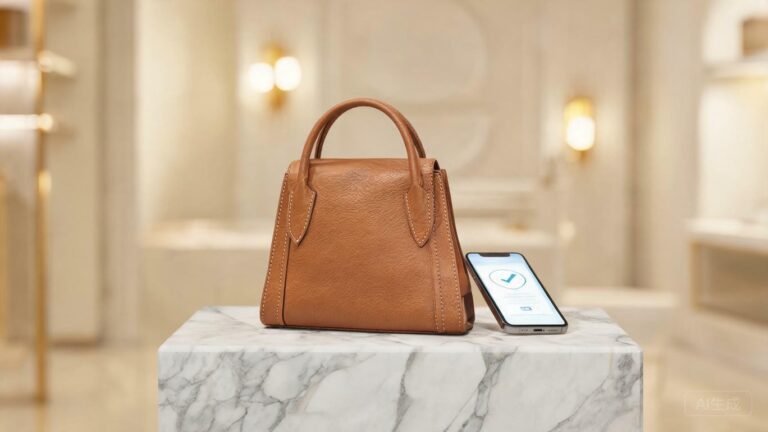
Choosing between faux leather vs real leather is a critical decision for any B2B buyer. Your material choice impacts product quality, durability, cost, and brand reputation. This guide compares faux leather and real leather side by side, helping you make the right call for your next project.
Whether you source materials for automotive interiors, furniture, fashion, medical equipment, or marine applications, understanding the key differences between genuine leather vs faux leather will save you time and money. Let us break it down.
What Is Faux Leather?
Faux leather is a man-made material designed to replicate the look and feel of real leather. Unlike animal-derived leather, faux leather uses synthetic or plant-based materials. But is faux leather it real leather? The short answer is no. Faux leather is not real leather, but modern versions like silicone leather outperform traditional leather in many ways.
Common types of faux leather include PU leather, PVC leather, microfiber leather, and silicone leather. Among these, silicone leather stands out as the premium choice for demanding B2B applications. It is solvent-free, cruelty-free, vegan, and fully recyclable.
Silicone faux leather delivers zero VOC emissions, 100% waterproof performance, and a temperature range from -40C to 250C. It achieves over 200,000 Martindale abrasion cycles, far exceeding industry standards. With a lifespan of 10 to 15+ years, it outlasts real leather by a significant margin.
For more background, read our guide on what is faux leather and its many types.
What Is Real Leather?
Real leather comes from animal hides, typically cowhide. It undergoes tanning, dyeing, and finishing processes that vary widely by grade and supplier. The result is a natural material with unique grain patterns and a classic appeal.
Real leather has a typical lifespan of 5 to 10 years. It is not waterproof, has poor UV resistance, and performs reliably only between -10C and 60C. Quality varies significantly between batches, and premium grades like full-grain or top-grain leather come at a high cost. Environmental concerns around tanning chemicals and animal welfare also weigh on buying decisions.
Despite its limitations, real leather remains popular in luxury goods and traditional markets where the “genuine leather” label carries brand value. However, when comparing genuine leather vs faux leather for functional performance, the gap is narrowing fast.
Faux Leather vs Real Leather: Comparison Table
This table offers a quick side-by-side look at how faux leather and real leather compare across the features that matter most to B2B buyers.
| Feature | Faux Leather (Silicone) | Real Leather |
|---|---|---|
| Material Source | Synthetic, silicone-based | Animal hides |
| Lifespan | 10-15+ years | 5-10 years |
| Waterproof | 100% waterproof | Not waterproof |
| Temperature Range | -40C to 250C | -10C to 60C |
| UV Resistance | Excellent | Poor |
| Abrasion (Martindale) | 200,000+ cycles | 50,000-100,000 cycles |
| VOC Emissions | Zero VOC | May contain VOCs |
| Cruelty-Free / Vegan | Yes | No |
| Recyclable | Yes | Limited |
| Quality Consistency | High, batch to batch | Variable |
| Customization | 100+ textures, any color | Limited by hide |
| Thickness Range | 0.23-3.0mm | 0.8-2.5mm (typical) |
| Certifications | REACH, FDA, ISO 10993, EN 13773 | Varies by supplier |
Pros and Cons of Each Material

Faux Leather (Silicone) Pros
- Zero VOC and solvent-free, safe for indoor air quality
- 100% waterproof, ideal for marine and outdoor use
- 200,000+ Martindale cycles for extreme durability
- Wide temperature range from -40C to 250C
- 10-15+ year lifespan with minimal maintenance
- Cruelty-free, vegan, and recyclable
- Consistent quality across every production batch
- Custom colors, 100+ textures, and tailored thickness
Faux Leather (Silicone) Cons
- Higher upfront cost than PU or PVC faux leather
- Less brand recognition for luxury markets
- Newer to the market compared to real leather
Real Leather Pros
- Natural grain and unique character per hide
- Strong brand recognition and luxury appeal
- Develops a patina over time
- Breathable and soft to the touch
Real Leather Cons
- Not waterproof, stains and absorbs moisture
- Poor UV resistance, fades and cracks in sunlight
- Limited temperature range, degrades in heat or cold
- Shorter lifespan of 5-10 years
- Inconsistent quality between batches
- Environmental concerns with tanning chemicals
- Not vegan or cruelty-free
Key takeaway: When comparing faux leather vs real leather for B2B performance, silicone faux leather wins on durability, safety, and consistency. Real leather still holds value in luxury branding. Learn more about the technical differences in our detailed guide.
Durability and Lifespan

Durability is often the deciding factor in the faux leather vs real leather debate. Silicone faux leather achieves 200,000+ Martindale cycles, compared to 50,000-100,000 for real leather. This means silicone leather resists wear and abrasion two to four times better.
Real leather is prone to cracking, fading, and peeling under UV exposure. It absorbs moisture, leading to mold and mildew in humid environments. Silicone leather, by contrast, is 100% waterproof and UV-resistant. It performs reliably from -40C to 250C, making it suitable for extreme conditions.
The lifespan difference is clear. Real leather lasts 5 to 10 years with proper care. Silicone faux leather lasts 10 to 15+ years with minimal maintenance. For B2B buyers, this translates to lower warranty claims, fewer replacements, and happier end customers.
Explore our high-performance collection for materials tested to the most demanding standards.
TOPSUN silicone leather factory production line in operation
How to Choose Between Faux Leather and Real Leather
When deciding between faux leather and real leather, ask these five questions:
- What is the expected lifespan? If you need 10+ years of performance, choose silicone faux leather.
- Will the material face water, UV, or extreme temperatures? Silicone leather handles all three. Real leather does not.
- Do you need consistent quality at scale? Silicone leather delivers batch-to-batch consistency. Real leather does not.
- Are sustainability and certifications important? Silicone leather is vegan, recyclable, and certified by REACH, FDA, and ISO 10993.
- What is your budget for the full product lifecycle? Higher upfront cost for silicone is offset by longer lifespan and lower maintenance.
For many B2B buyers, the faux leather real leather comparison increasingly favors silicone. It offers superior performance, easier compliance, and better long-term value. Browse our classic collection for versatile options across industries.
Best Applications for Each Material
Where Silicone Faux Leather Excels
- Automotive interiors: dashboard, door panels, seating, steering wheels
- Furniture and sofas: residential, commercial, outdoor, and hotel
- Medical equipment: examination beds, dental chairs, wheelchairs (ISO 10993 certified)
- Marine: boat seating, yacht interiors, equipment covers (UV and salt-spray resistant)
- Baby and kids products: strollers, care mats, toys (FDA compliant, zero VOC)
- 3C electronics: smartwatch bands, phone cases, earbud covers
- Fashion: handbags, footwear, belts, accessories
Where Real Leather Still Works
- Luxury fashion where brand heritage matters
- Traditional craftsmanship and artisanal goods
- Markets where “genuine leather” labeling drives consumer preference
For eco-conscious buyers, read our article on silicone leather as the eco-friendly faux leather alternative.
About TOPSUN Silicone Leather
TOPSUN: Your Partner in Premium Silicone Leather
TOPSUN is a leading silicone leather manufacturer with an annual capacity of 6 million meters, 18 automated production lines, and 3 production bases. We serve B2B buyers across the EU, US, and global markets with OEM and ODM solutions tailored to your exact specifications.
Our capabilities:
- Custom colors matched to any Pantone or RAL reference
- 100+ textures and embossing patterns available
- Thickness from 0.23mm to 3.0mm
- Custom backing fabrics: polyester, cotton, breathable, and more
Certifications:
FDA
ISO 10993
EN 13773 Class 4
FAR 25.853
PAHs
Our certifications are verified by independent bodies including SGS and aligned with ISO international standards. Every batch of silicone leather is tested for safety, durability, and environmental compliance. View our full certification details on the certificates page.
Learn more about silicone leather technology on our silicone leather introduction page.
Contact us: info@topsunsiliconeleather.com | +86 186 6583 5695