Picture this: your design team needs to evaluate leather swatches from five suppliers across three continents. The traditional approach means waiting two to three weeks for DHL packages, unpacking 50 physical samples, taping them to a mood board, and hoping the lighting in your office matches the showroom where the final product will live. Virtual leather sampling was supposed to fix all of that. And in many ways, it has — but the technology has limits that procurement teams need to understand before going all-digital.
Access Our Digital Texture Library
What Is Virtual Leather Sampling? A Procurement Game-Changer
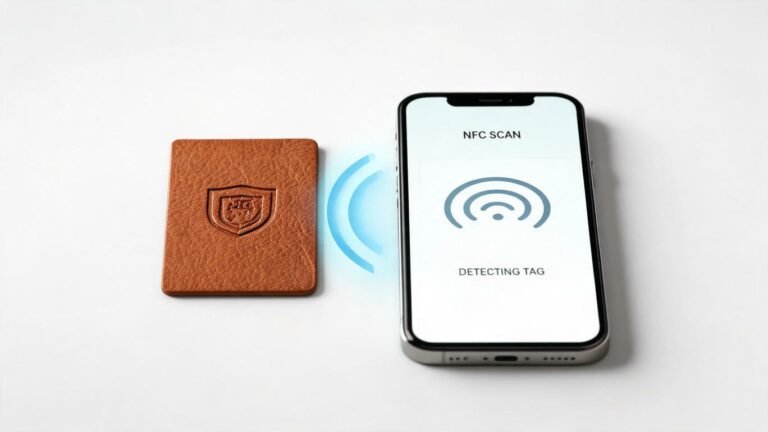
Virtual leather sampling is the process of evaluating leather materials through digital representations — high-resolution texture scans, 3D renderings, color-calibrated images, and downloadable technical data — before requesting physical samples. The goal is to narrow a field of dozens of candidates down to two or three finalists without the time and cost of shipping physical swatches to every decision-maker.
In our experience working with OEM procurement teams, virtual leather sampling compresses the initial evaluation phase from 2–3 weeks to 2–3 days. One automotive client told us they cut their material shortlisting cycle by 70% after adopting a digital-first workflow — they could evaluate 40 texture options in an afternoon instead of waiting for four separate sample shipments. The Pantone color matching system has become the de facto standard for digital color communication in this workflow, and modern PBR (physically-based rendering) texture technology makes it possible to evaluate surface reflectivity and grain depth on screen with surprising accuracy.

Production line detail — each texture pattern begins as a physical embossing that must be digitally captured for the virtual library
The Digital Workflow: 3D Texture Capture to Cloud Libraries
A proper virtual leather sampling system is not just a folder of JPEGs. It is a structured workflow that begins with physical texture capture and ends with a decision-ready digital asset. Here is how the process works at TOPSUN, where we maintain a custom sampling platform for our B2B clients:
- Step 1: Physical capture — Each leather texture is photographed under standardized D65 lighting at multiple angles using a gonioreflectometer, capturing how light reflects off the grain pattern at different viewing angles.
- Step 2: Color calibration — Each sample is matched to a Pantone reference and verified with a spectrophotometer to ensure digital color accuracy within Delta E ≤ 2.0.
- Step 3: 3D texture mapping — The surface is scanned with structured light to create a height map, which can be applied to 3D product renderings in CAD software.
- Step 4: Technical data packaging — Full test reports (abrasion, UV, tensile, VOC) are attached as downloadable PDFs alongside the visual assets.
- Step 5: Cloud delivery — All assets are uploaded to an online library accessible to the buyer’s entire design and engineering team simultaneously.

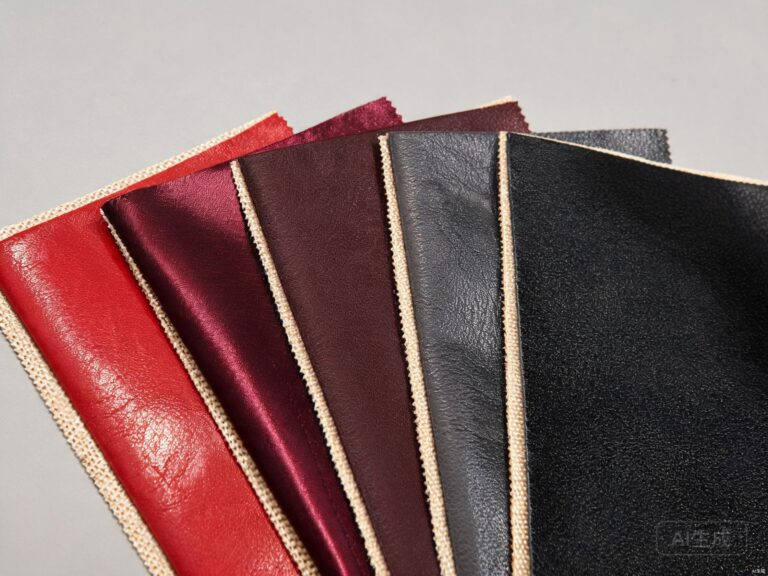
Physical sample hanger — these are the source materials that get digitized for the virtual sampling library
One furniture manufacturer using our digital library evaluated 60 texture options in a single afternoon — a process that would have taken three weeks and $800 in shipping costs under the traditional physical-only approach.
Where Virtual Leather Sampling Falls Short
Not so fast. Digital sampling is powerful, but it cannot replace the human hand. There are three sensory dimensions that no screen can replicate: tactile feel, thermal response, and weight. A leather that looks luxurious on a 4K monitor can feel plasticky, cold, or limp when you finally hold it. And the reverse is true — some materials that photograph poorly feel incredible in person.
Color accuracy is another challenge. Even with Pantone calibration and spectrophotometer verification, monitor variation means the same digital sample will look different on a designer’s MacBook than on a procurement manager’s Dell. The Material ConneXion material library and similar physical archives exist precisely because the design industry has learned this lesson the hard way.
| Aspect | Virtual Sampling | Physical Sampling |
|---|---|---|
| Speed to evaluate | Hours (same day) | 2–3 weeks (shipping) |
| Tactile assessment | Not possible | Full sensory evaluation |
| Color accuracy | Good (monitor dependent) | Exact |
| Cost per evaluation | $0 (digital access) | $15–50 per sample shipment |
| Number of options to evaluate | 50–200+ simultaneously | 10–20 (practical limit) |

Coating roller detail — surface texture is determined at this production stage and must be faithfully captured in the digital representation
Bridging the Gap: Hybrid Sampling Strategies That Work
The answer is not choosing between virtual and physical — it is using both in sequence. The hybrid approach that works best in practice is a two-stage funnel: digital-first for broad evaluation, physical second for final validation.
Stage one: use the digital texture design library to evaluate 50–200 options, filter by technical specs (thickness, embossing pattern, color, certifications), and narrow to 3–5 finalists. This stage is fast, free, and collaborative — your entire team can weigh in from different locations.
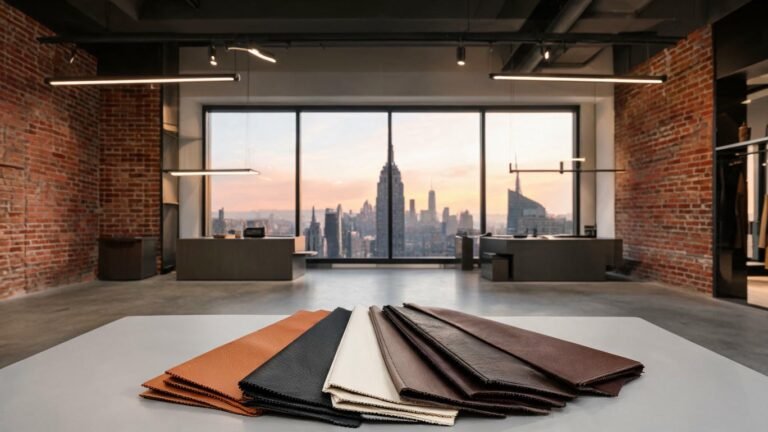
Stage two: request physical samples of only the finalists. This is where the samples center comes in — TOPSUN dispatches physical swatches within 48 hours for the 3–5 materials that passed the digital screen. You get tactile confirmation, exact color verification, and the ability to present physical samples to your client — all without the wasteful cycle of ordering 50 samples to throw away 45 of them.
Sample delivery service overview — how physical samples bridge the gap after digital pre-screening
This approach also integrates with our silicone leather technical documentation — every digital asset comes with downloadable test reports, so your engineering team can verify performance parameters while your design team evaluates aesthetics. For teams new to this workflow, our leather sample ordering guide walks through the full process step by step.
Evaluating Suppliers in a Virtual-First World
Not all virtual sampling platforms are created equal. When evaluating whether a supplier’s digital sampling system is worth your time, look for these indicators of quality:
- Calibrated photography — Images should be shot under standardized D65 lighting, not catalog-style product shots with dramatic studio lighting that hides texture flaws.
- Attached technical data — Each digital sample should come with downloadable test reports, not just a pretty picture. If the supplier cannot provide abrasion, UV, and VOC data alongside the visual asset, the digital sampling is incomplete.
- Rapid physical follow-up — A supplier offering virtual sampling should also be able to dispatch physical samples within 48–72 hours for finalists. Virtual without physical backup is a red flag.
- Custom texture capability — Can the supplier create a custom leather texture design based on your specifications and provide a digital preview before producing the physical sample?

Quality inspection area — every digital sample must correspond to a physical production batch that passes this inspection gate

Custom texture samples — these are digitized and added to the virtual library for future procurement reference
Frequently Asked Questions
Can virtual leather sampling completely replace physical swatches?
No. Virtual sampling is excellent for the initial screening phase — narrowing a large field of candidates to a shortlist. But the final material selection should always be validated with a physical sample, because tactile feel, thermal response, and exact color cannot be fully replicated on a screen. The hybrid approach (digital-first, physical-second) is the most efficient and reliable workflow.
How accurate is the color matching in digital leather samples?
With proper calibration — spectrophotometer verification, Pantone referencing, and standardized D65 lighting — digital color accuracy can reach Delta E ≤ 2.0, which is acceptable for most commercial applications. However, monitor calibration varies significantly. Always confirm final color selection against a physical sample under the lighting conditions of the end-use environment, not just your office monitor.
The Bottom Line on Digital Sampling
Virtual leather sampling is not a replacement for physical evaluation — it is a filter that makes physical evaluation more efficient. By using digital tools to screen out 90% of candidates in a fraction of the time, procurement teams can focus their physical sampling budget and tactile evaluation on the materials that genuinely deserve it. The result is faster decision-making, lower sampling costs, and a procurement process that scales across global teams without sacrificing the sensory quality control that leather demands.
The suppliers who win in this transition will be the ones who invest in both: high-quality digital libraries for fast screening and rapid physical sample dispatch for final validation. That dual capability is what turns a virtual leather sampling system from a marketing feature into a genuine procurement advantage.
Start Your Virtual Sampling Now
About TOPSUN
TOPSUN operates a digital-first sampling system that lets B2B buyers evaluate silicone leather texture, color, and performance data online before committing to physical sample production — reducing procurement cycle time by up to 60% and cutting sample shipping costs by 80%.
Core capabilities include a cloud-based 3D texture library with 200+ embossing patterns, Pantone-accurate digital color matching within Delta E ≤ 2.0, downloadable technical datasheets with full test reports, and 48-hour physical sample dispatch for finalist materials.