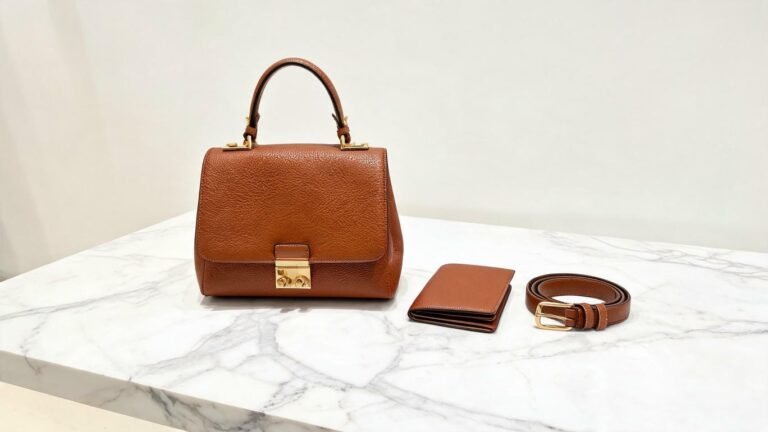
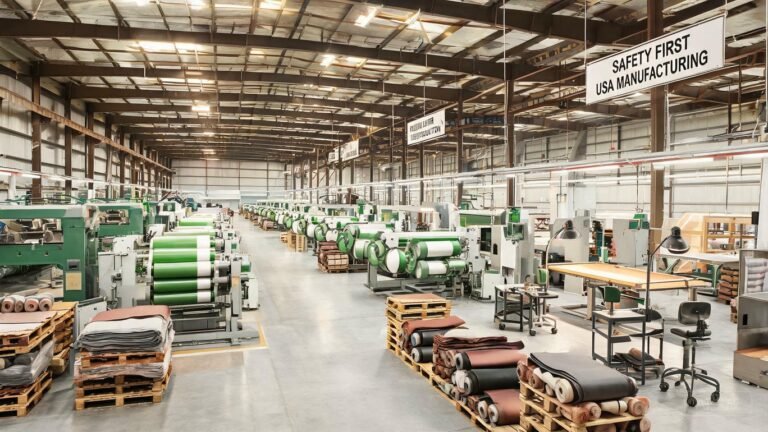
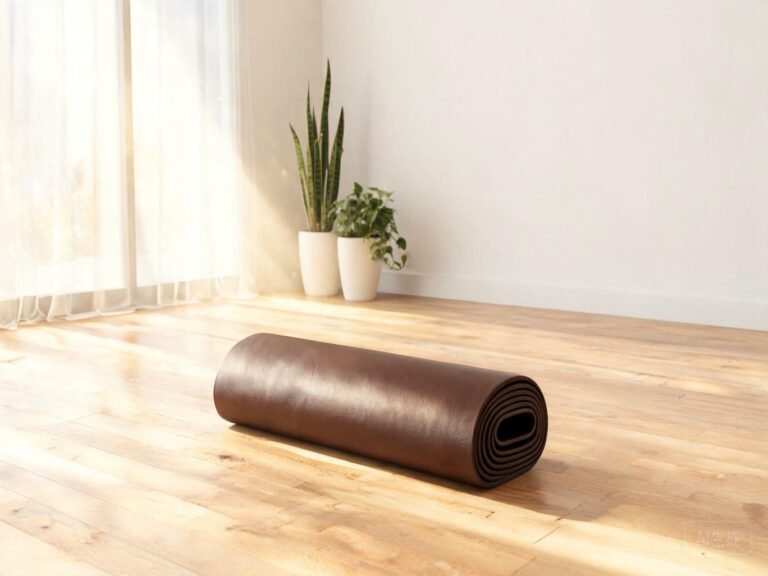
New York City’s Garment District has been the beating heart of American leather sourcing for over a century. Companies like Global Leathers, District Leathers, and TanneryNYC maintain networks spanning 50+ tanneries across Europe, Asia, and South America — serving everyone from emerging fashion designers to established furniture and handbag brands. But the landscape is shifting. NYC-based buyers — from fashion houses on Seventh Avenue to interior design firms in the Flatiron District — are running into the same wall: genuine leather’s supply chain volatility, compliance complexity, and inconsistency are no longer compatible with the speed and standards of modern commerce.
The question NYC buyers are increasingly asking isn’t “which tannery should I source from?” — it’s “is genuine hide still the right material for my product line?” For fashion accessories, commercial furniture, hospitality interiors, and retail fit-outs, the answer is changing. And the material benefiting most from that change is silicone synthetic leather.
What “NYC Leather” Actually Means in 2026
When someone searches for “NYC leather,” they’re typically looking for one of three things: a local leather supplier for fashion production, a leather material source for commercial interior design projects, or a manufacturer of leather goods based in New York. The Garment District infrastructure still exists — West 35th and 36th Streets remain lined with leather suppliers, cutting rooms, and finishing operations — but what happens inside those businesses has fundamentally changed.
The traditional NYC leather supply chain worked like this: Italian tanneries produce premium hides → Garment District importers stock them → NYC designers and manufacturers buy by the hide or side → products are cut and finished locally. This model served the city’s fashion industry well for decades. But it breaks down under three modern pressures:
- Compliance pressure — California Prop 65, REACH, and state-level chemical disclosure laws mean every leather lot needs documentation. Genuine leather’s chrome tanning residues, azo dyes, and formaldehyde content trigger Prop 65 warnings. NYC brands selling nationally can’t afford Proposition 65 labels on their products.
- Speed-to-market — Fashion cycles now run 6-8 weeks from concept to shelf. Genuine leather requires 4-8 weeks for custom dye lots, plus shipping from Italian or South American tanneries. Synthetic leather produced on continuous roll lines ships in days.
- Consistency across product lines — A handbag brand launching 15 SKUs across 5 colors needs every unit to match. Hide-to-hide variation in genuine leather creates quality control nightmares that synthetic roll goods eliminate.
For NYC-based furniture and interior design brands, the US leather furniture market adds another layer: commercial fire codes (California TB 117-2013, NFPA 260), California Prop 65 chemical disclosure, and increasingly stringent VOC regulations in commercial interiors. Genuine leather needs treatment to meet these standards; silicone leather is inherently compliant.

The Garment District’s Hidden Problem: Hide Inconsistency
Walk into any Garment District leather supplier and you’ll see racks of beautiful hides — Italian calfskin, French lambskin, Brazilian full-grain. What you won’t see is the reject rate. Industry estimates suggest 15-25% of genuine leather hides have defects significant enough to impact production: branding marks, insect bites, stretch marks, and grain irregularities that become visible only after cutting.
For a NYC fashion brand cutting wallets from Italian calfskin, a 20% reject rate means 20% more material cost per unit. For a furniture manufacturer cutting sofa panels from full-grain hides, the reject rate is higher because larger cut pieces expose more surface area for defects. And for a brand specifying 12 colors across a seasonal collection, the dye-lot variation between hides means no two products are exactly the same shade — a problem that becomes a customer return when products are photographed for e-commerce.
This is where the material conversation shifts. Synthetic leather produced on continuous coating lines has a defect rate of 1-3% — and every yard is the same color, texture, and thickness as the yard before it. For B2B leather goods sourcing, this consistency translates directly into lower unit cost, fewer returns, and faster production cycles. Our B2B sourcing guide covers the full qualification framework.

NYC Compliance Requirements: The Material Filter
NYC-based brands sell nationally, which means their products must comply with the strictest regulations across all 50 states — not just New York. Here’s how genuine leather and synthetic leather compare on the compliance requirements that NYC buyers care about most:
| Requirement | Genuine Leather | PU Faux Leather | Silicone Leather |
|---|---|---|---|
| California Prop 65 (hexavalent chrome, formaldehyde) | Warning label required | DMF risk | Inherently compliant |
| REACH (SVHC list) | Testing per lot required | Plasticizer risk | No SVHC substances |
| Fire Code (TB 117-2013 / BS 5852) | Treatment required | Additive-dependent | Inherently compliant |
| VOC Emissions (CDPH Method) | Moderate to high | High (solvent residues) | Ultra-low (solvent-free process) |
| Biocompatibility (ISO 10993) | Variable (chrome residues) | Not certified | Level 0/1 certified |
| LWG Certification | Tannery-dependent (Gold/Silver/Bronze) | N/A | ISO-certified manufacturing |
For a NYC brand selling to national retailers like Bloomingdale’s, West Elm, or Restoration Hardware, every one of these compliance points needs documentation. The cost of generating compliance documentation per genuine leather lot — testing for chrome VI, formaldehyde, azo dyes, and heavy metals — runs $200-500 per lot. For silicone leather, compliance is inherent to the material chemistry, eliminating per-lot testing costs entirely. For more on the 2026 leather sustainability landscape, our sustainability report covers the regulatory trajectory.
NYC Interior Design: Leather Beyond Fashion
NYC’s leather market extends well beyond fashion. The city’s interior design community — firms designing luxury residential, hospitality, and commercial spaces across Manhattan — is one of the largest markets for premium leather in the United States. Current trends in NYC interior design include:
- Leather wall panels — Oversized leather wall panels in entryways, lounges, and hospitality spaces. Neutral earth tones with matte finishes and integrated lighting. Genuine leather panels are expensive, variable in color, and fire-code problematic; silicone leather panels offer color consistency, inherent fire resistance, and acoustic properties.
- Hospitality furniture — Hotel lobbies, restaurant booths, and lounge seating throughout NYC’s hospitality sector. These applications require materials that survive daily commercial use while meeting NYC Department of Buildings fire code requirements.
- Retail fit-outs — Luxury retail stores on Fifth Avenue and SoHo use leather for display surfaces, fitting room panels, and branded furniture. The material needs to look premium and hold up under customer interaction.
- Corporate interiors — Tech company offices in Hudson Yards and Midtown South use leather for lounge furniture, phone booth interiors, and collaborative space upholstery.

The Speed Advantage: NYC Fashion Cycles vs. Leather Lead Times
NYC fashion brands operate on cycles that genuine leather supply chains struggle to match. A typical Seventh Avenue handbag brand launches 4-6 collections per year, each requiring new colors and textures. The genuine leather supply chain for a new custom color works like this:
- Request custom dyelot from Italian tannery → 2-3 weeks for sampling
- Approve color match → 4-6 weeks for production run
- Ocean freight from Italy to NYC → 3-4 weeks
- Customs clearance and Garment District delivery → 1 week
Total lead time: 10-14 weeks for a new genuine leather color. For silicone leather, the same process takes 2-3 weeks: 1 week for Pantone color matching and sampling, 1-2 weeks for production on continuous coating lines, with air freight options for rush orders. For brands that need to respond to trend data in real time — which is every NYC fashion brand in 2026 — this speed differential is the difference between catching a trend and missing it.
The customization options also favor silicone for NYC’s design-driven market. Beyond solid colors, silicone leather supports custom prints — floral, geometric, and brand-specific patterns — that are impossible with genuine hide. For brands looking to differentiate, this print capability opens product categories that genuine leather simply cannot serve. Learn more about leather texture options and buyer specifications in our comprehensive texture guide.

The Local vs. Global Question for NYC Buyers
One of the most common concerns from NYC buyers is: “If I’m not buying from a Garment District supplier, how do I handle sampling, customization, and quality control?” The answer is that modern B2B material sourcing has evolved beyond the local-wholesaler model. TOPSUN’s process for NYC-based clients includes:
- Virtual sampling — High-resolution digital swatches with Pantone-verified color data. Physical sample swatches ship via express courier within 3-5 days. No need to schedule a Garment District visit.
- Custom color matching — Pantone or physical swatch matching within Delta E ≤ 1.5. Production samples within 7 days. This rivals or exceeds the speed of any local NYC leather supplier.
- Compliance documentation — Full test certificates (ISO, ASTM, BS, California TB 117) provided with every shipment. No per-lot testing fees. No Prop 65 warning labels. No surprise compliance failures at retail.
- Bulk production — Continuous coating line production means roll goods ship in 2-3 weeks for standard colors, 3-4 weeks for custom colors. Minimum order quantities are practical for both emerging NYC designers and established brands.
topsun-silicone-leather-export-certification-intro
About TOPSUN
TOPSUN is a silicone synthetic leather manufacturer serving NYC-based fashion brands, furniture manufacturers, and interior design firms who need material that meets US compliance standards without the supply chain volatility of genuine hide. Our silicone leather is inherently compliant with California Prop 65, REACH SVHC, and fire codes (TB 117-2013, BS 5852, DIN EN 1021) — with no per-lot compliance testing required. We offer Pantone color matching within 7 days, custom print capabilities, and continuous roll production that delivers consistent quality at speeds compatible with NYC fashion cycles. From the Garment District to Hudson Yards, we supply the material that lets NYC brands launch faster, comply easier, and maintain the quality their customers expect.
Request Prop 65 Compliance Report
Frequently Asked Questions
Can I get leather samples shipped to New York quickly?
Yes. TOPSUN ships physical sample swatches to NYC addresses via express courier within 3-5 business days. For color matching, we provide Pantone-verified digital swatches within 24 hours and physical production samples within 7 days — faster than most Garment District suppliers can source a custom dyelot from Italian tanneries.
Does silicone leather meet California Prop 65 requirements?
Yes. Silicone leather is inherently Prop 65-compliant — it contains no hexavalent chromium, formaldehyde, DMF, or any of the 900+ chemicals on the Prop 65 list. Unlike genuine chrome-tanned leather, which requires Prop 65 warning labels for chemical exposure, silicone leather needs no warning label and generates no per-lot compliance testing costs.
How does silicone leather compare to Garment District genuine leather for fashion accessories?
Genuine leather from Garment District suppliers offers natural character and patina that synthetics can’t fully replicate. However, silicone leather provides superior consistency (1-3% defect rate vs. 15-25% for hides), faster customization (7 days vs. 10-14 weeks for custom colors), full Pantone matching, custom print capabilities, and inherent biocompatibility certification — advantages that matter more for brands scaling production and selling through national retail channels.
Is silicone leather suitable for NYC commercial interior design projects?
Absolutely. NYC interior designers use silicone leather for wall panels, hospitality furniture, retail fit-outs, and corporate interiors. It meets NYC fire code requirements inherently, offers ultra-low VOC emissions for indoor air quality compliance, provides acoustic dampening properties for wall panel applications, and delivers the color consistency that large-scale interior projects require across multiple installations.