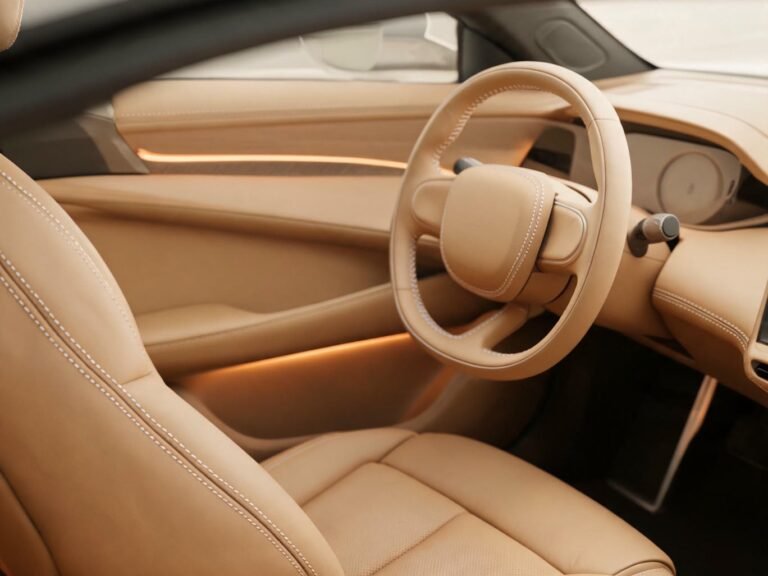
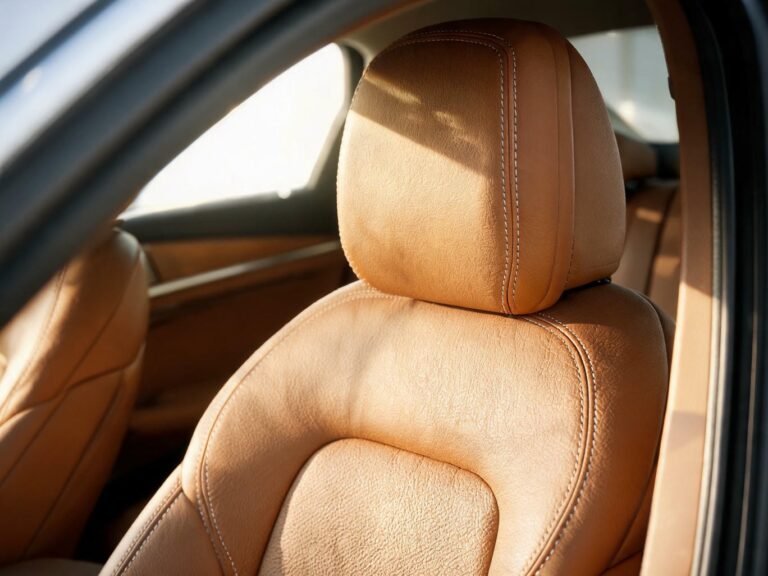
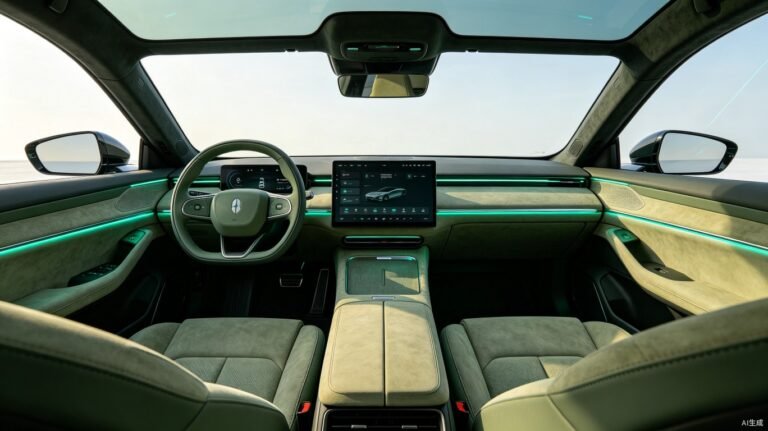
Synthetic leather usage in vehicles grew 156% from 2020 to 2023 according to Grand View Research. In 2022, 71% of new vehicles featured synthetic leather interiors. The shift to vegan leather cars is accelerating across the automotive industry. Automakers worldwide are replacing animal-derived materials with high-performance alternatives.
This article covers the key market data behind this trend. We examine how Tesla, BMW, Mercedes-Benz, and other brands lead the change. We also explore what this means for automotive suppliers and buyers.
Visit our automotive interiors page to learn more about our material solutions.
The Growth of Vegan Leather in Cars: Market Data and Trends
The market for vegan leather in cars is expanding rapidly. Industry data reveals a clear shift toward synthetic materials. Here are the key numbers driving this transformation:
- 156% growth in synthetic leather usage in vehicles from 2020 to 2023.
- 71% of new vehicles in 2022 used synthetic leather interiors.
- 20.15% CAGR projected for the automotive interior segment through 2030.
- 45% cost reduction compared to genuine leather materials.

These figures show that vegan leather cars are no longer a niche concept. They represent a mainstream industry direction. Automakers see clear benefits in cost, performance, and sustainability.
The demand for vegan leather in cars continues to grow. Both legacy brands and new EV makers are investing heavily. The result is a faster, broader adoption of synthetic interior materials.
Tesla: The Pioneer of the Vegan Leather Car
Tesla has led the way in producing a fully vegan leather car. Since its founding, Tesla has never offered genuine leather as a standard option. Every model in the Tesla lineup uses synthetic leather interiors.
Tesla Models Using Synthetic Leather
- Model S — Premium synthetic seats and dashboard trim.
- Model 3 — Standard vegan interior across all trims.
- Model X — Full synthetic leather seating and panels.
- Model Y — Vegan interior as the only option.
- Cybertruck — 100% synthetic materials throughout the cabin.
Tesla’s approach proves that a vegan leather car can deliver a premium experience. Buyers accept and often prefer synthetic interiors. Tesla has shown the entire industry that animal-free materials work at scale.
The success of Tesla’s vegan leather car strategy has influenced competitors. Many automakers now follow a similar path. Tesla set the benchmark for what is possible.
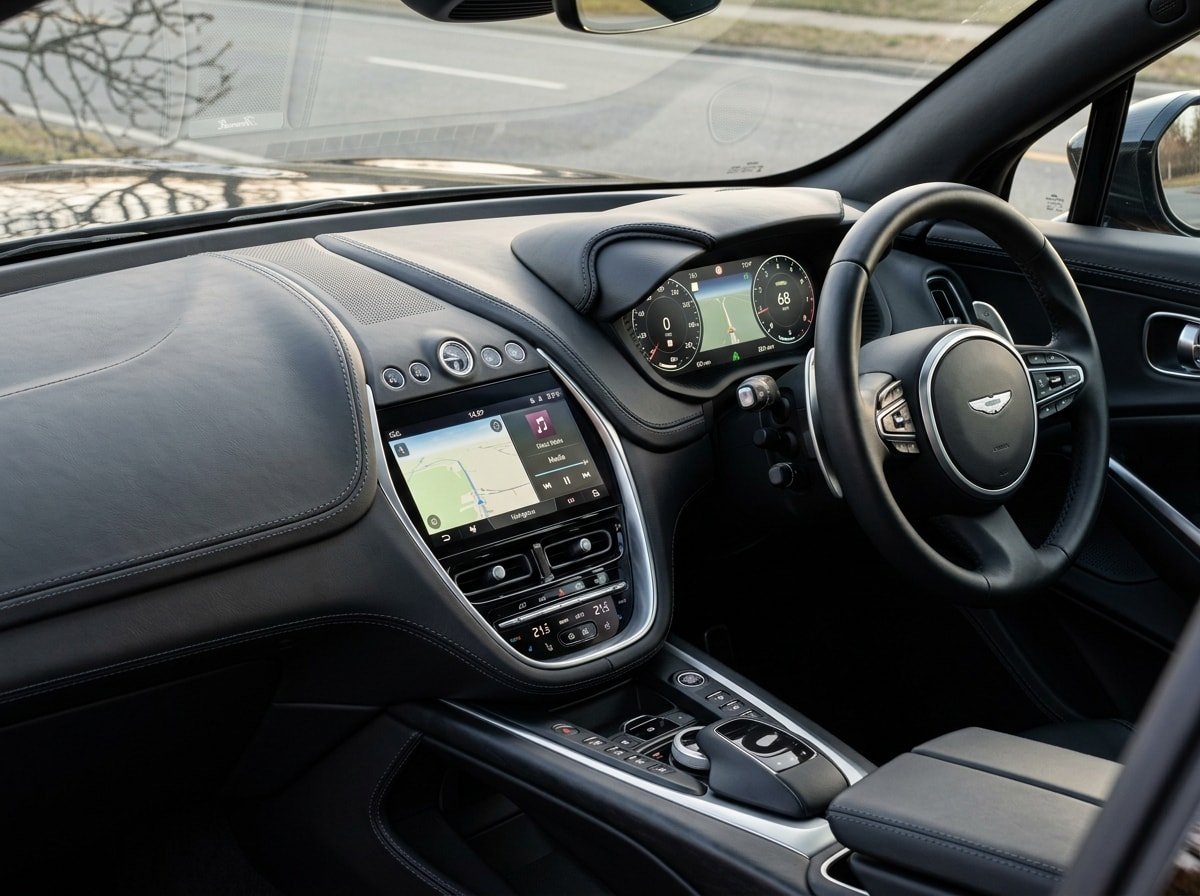
BMW’s Roadmap to a Fully Vegan Car Interior
BMW has developed a clear plan for a fully vegan car interior. The company uses three distinct synthetic leather materials across its model range. Each material serves a different segment and purpose.
BMW’s Three Synthetic Leather Materials
- Sensatec — Standard on most BMW models. A durable, cost-effective synthetic leather.
- Sensafin — Used in the X5, X6, and X7. Offers a premium feel with advanced sustainability.
- Veganza — Featured in the new 5 Series. This is BMW’s first material to replace Nappa leather on the steering wheel.
BMW claims up to 85% CO2 reduction with its new synthetic materials, as reported by BMW Group Press. The company also targets 40% recycled materials in its vehicles by 2030. These goals reinforce BMW’s commitment to a vegan car interior across its entire lineup.
The introduction of Veganza marks a major milestone. For the first time, BMW replaced Nappa leather on the steering wheel. This shows that vegan leather cars can match or exceed the tactile quality of genuine leather.
Mercedes-Benz, Porsche, and Other Automakers Embrace Vegan Leather Interiors
The move toward vegan leather interior materials extends well beyond Tesla and BMW. Major European and American brands are making similar changes.
Mercedes-Benz
Mercedes uses MB-Tex across its lineup. This synthetic leather has a long history of proven durability. The EQ electric vehicle series features fully vegan leather interior options. Mercedes continues to expand synthetic material use in new models.
Porsche
Porsche offers Race-Tex as a synthetic alternative. The Taycan and Macan Electric both provide full vegan leather interior packages. Porsche proves that performance vehicles can adopt sustainable materials.
Other Leading Brands
- Volvo — Uses Nordico, made from recycled PET and cork.
- Audi — Expanding synthetic leather options across its EV range.
- Rivian — 100% vegan interior in the R1T and R1S.
- Lucid — Full synthetic leather interior in the Air sedan.
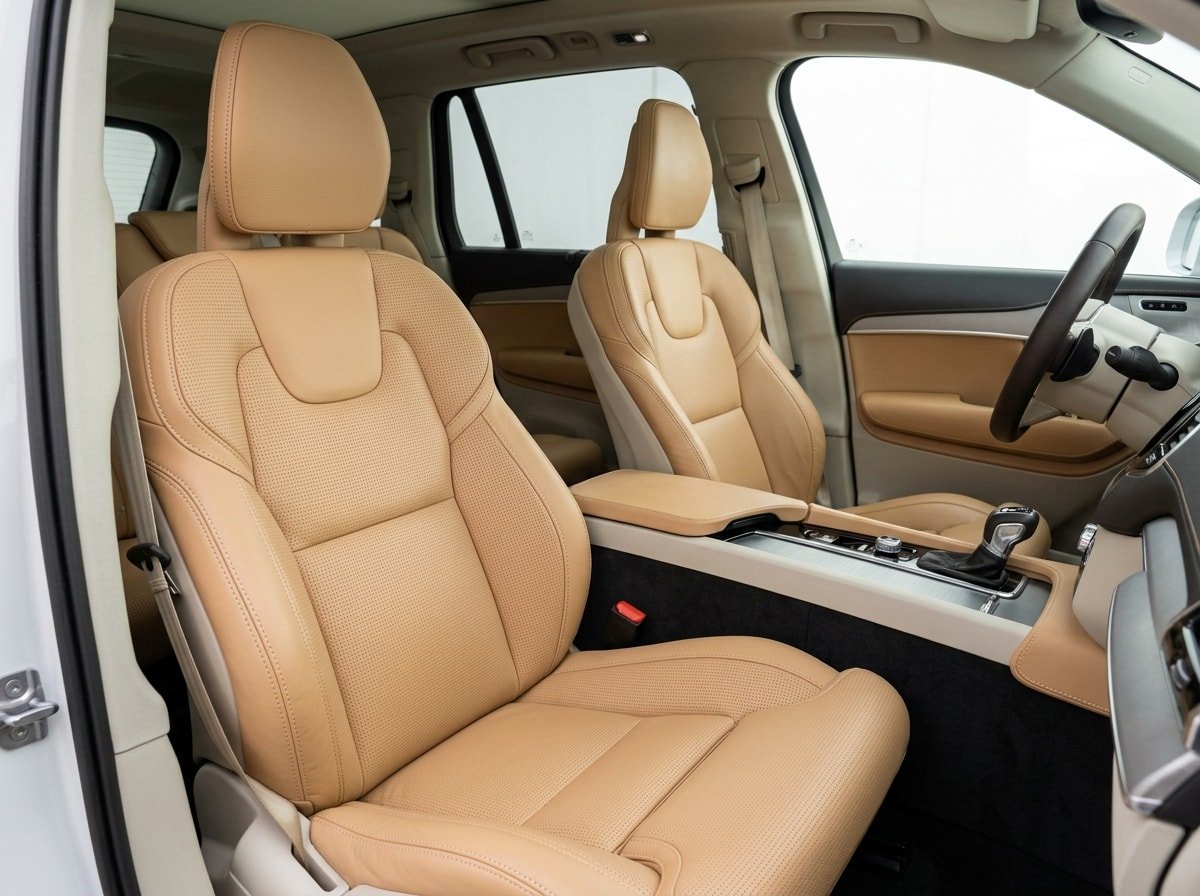
The trend is clear. A vegan leather interior is becoming the industry standard. Brands that delay this transition risk falling behind in both consumer perception and regulatory compliance.
Why a Car Interior Vegan Material Strategy Makes Business Sense
Adopting a car interior vegan material strategy offers clear business advantages. Automakers and suppliers gain five key benefits from this shift.
1. Sustainability and ESG Goals
Regulators and investors demand lower carbon footprints. Synthetic leather helps automakers meet strict ESG targets. Learn more about eco-friendly faux leather solutions for sustainable manufacturing.
2. 45% Cost Reduction
Synthetic materials cost significantly less than genuine leather. This reduces overall vehicle production costs. Savings can be reinvested in other areas of development.
3. Weight Savings
Synthetic leather is lighter than animal leather. Reduced vehicle weight improves fuel efficiency and EV range. Every kilogram matters in modern vehicle design.
4. Consumer Demand
Demand for car interior vegan materials has increased 127% since 2020. Buyers, especially younger demographics, prefer sustainable options. This trend shows no signs of slowing down.
5. Consistent Quality and Easier Maintenance
Synthetic leather offers uniform color and texture across batches. It resists stains, cracking, and UV damage better than genuine leather. Maintenance is simpler and less costly for vehicle owners.
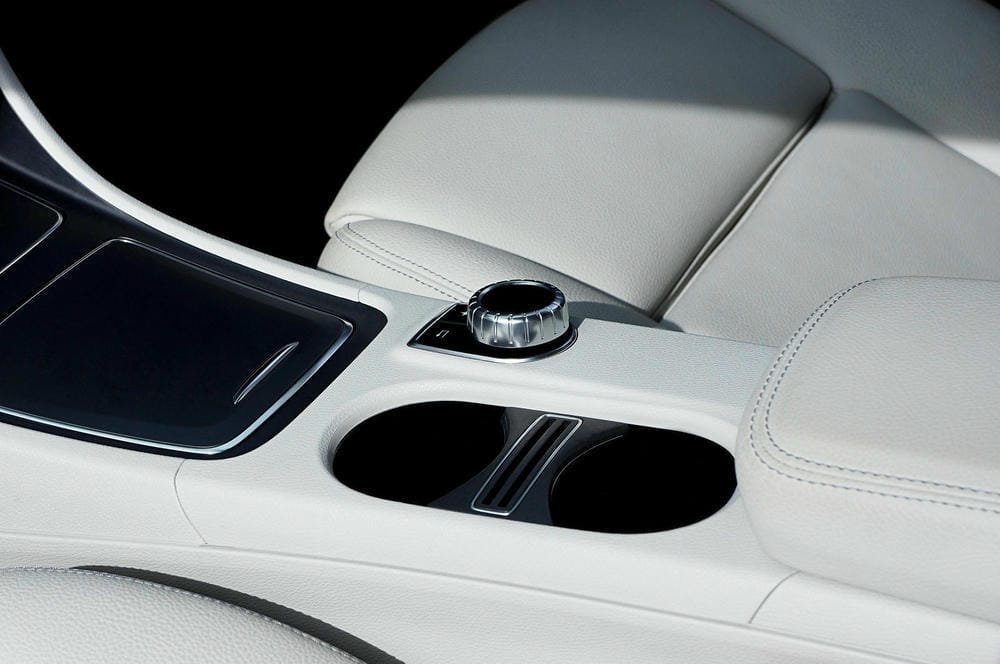
These five reasons explain why vegan leather cars are gaining momentum. The business case is strong. The materials are proven. The market is ready.
The Role of Automotive Vegan Leather Suppliers in This Transformation
The shift to automotive vegan leather depends on capable suppliers. Automakers require materials that meet strict performance standards. Here is what leading OEMs and Tier 1 suppliers look for:
Key Supplier Requirements
- Flame retardancy — Materials must pass Cal TB 117, BS 5852, and FAR 25.853 standards.
- Low fogging — Interior materials must meet low fogging requirements for driver visibility.
- UV resistance — Materials must withstand years of sun exposure without fading or cracking.
- Durability — Must achieve Martindale 20,000+ cycles for long-term wear resistance.
- Zero or low VOC emissions — Indoor air quality standards demand low volatile organic compounds.
- Custom color and texture — Suppliers must offer branding-specific design flexibility.
Choosing the right automotive vegan leather supplier is critical. OEMs need partners with proven manufacturing capabilities. Visit our factory production page to see our capabilities. Review our full technical data sheet for detailed specifications. Check our certifications to verify compliance.
Reliable automotive vegan leather suppliers deliver consistent quality at scale. They invest in R&D to improve material performance. They maintain strict quality control throughout the production process.
Conclusion: The Future of Vegan Leather Cars
The rise of vegan leather cars is one of the most significant trends in the automotive industry. Market data confirms rapid adoption. Leading brands like Tesla, BMW, and Mercedes-Benz are fully committed.
The benefits are clear. vegan leather cars offer lower costs, better sustainability, and consistent quality. Consumer demand continues to grow. Regulatory pressure adds further momentum.
For suppliers, this shift represents a major opportunity. Automakers need reliable partners who can deliver certified, high-performance materials. The companies that invest now will lead this growing market.
TOPSUN is a specialized silicone leather manufacturer serving the automotive industry. Our materials meet Cal TB 117, BS 5852, and FAR 25.853 flame retardancy standards. We supply custom automotive-grade silicone leather to OEMs and Tier 1 suppliers worldwide.