Your handbag factory passed the social audit. The stitching is clean, the hardware is consistent, and the first sample looked perfect on the shelf. Then six months after launch, customer service starts fielding the same complaints: peeling coatings, cracked panels, sticky surfaces. The factory didn’t fail you — the fabric did. That’s the gap most brands miss when they vet a vegan leather bags manufacturer: they audit the sewing floor and never pressure-test the material spec. The seven checks below are the ones we’ve watched premium bag brands run before signing — from REACH substance screening to five-year cost math.
Why the Material Spec Decides Your Vegan Leather Bag’s Reputation
The commercial case for vegan leather keeps getting stronger. Grand View Research values the global vegan leather market at USD 11.6 billion in 2025, projected to reach USD 26.8 billion by 2033 — an 11.4% CAGR driven heavily by footwear and fashion accessories. More brands entering the category means more shelf competition, and material quality is quickly becoming the differentiator shoppers actually feel.
Here’s the uncomfortable truth from our production floor: when a bag line fails in the field, the thread almost never breaks. The coating does. Conventional PU relies on polyester urethane chemistry that hydrolyzes — it absorbs moisture, the polymer chains snap, and the surface peels or cracks within two to three years of normal use. That’s why sourcing teams comparing vegan leather materials for handbags increasingly treat the fabric supplier, not the cut-and-sew factory, as the first vetting stop. Water-based PU is the minimum credible upgrade; solvent-free silicone sits a full tier above it on longevity.

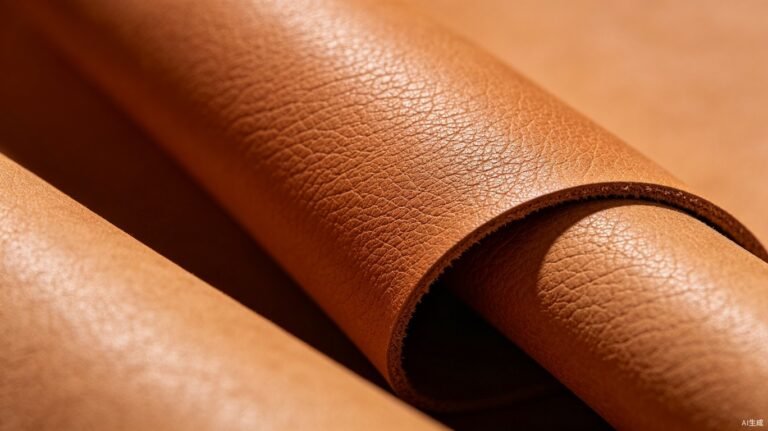
Material testing comes before sewing: fastness, abrasion and aging data decide how a bag ages on the shelf.
One European bag brand we supported learned this the hard way. Their previous PU-based line showed edge peeling within a year of retail display under strong store lighting. After switching the same silhouette to silicone-coated material, the style survived two full seasons of window display with no visible fade and no coating failure reported. The cut-and-sew factory never changed — only the material spec did.
Checks 1–4: The Compliance Paperwork a Vegan Leather Bags Manufacturer Must Show
Serious vegan leather bag supplier certifications are document-heavy, and that’s deliberate. Vague sustainability claims are exactly what EU regulators and US class-action lawyers are hunting for. Four checks separate defensible suppliers from marketing talk:
- Check 1 — Substance screening scope. Ask for the exact REACH SVHC screening list. A credible report covers 247+ substances of very high concern, each below 0.1% w/w, with the lab name on it. A one-page “REACH compliant” PDF with no scope is a red flag.
- Check 2 — Verifiable report numbers. Application-specific test reports should carry report numbers you can confirm with the issuing lab (SGS, Intertek, TÜV Rheinland). If a supplier won’t share report numbers, assume the tests were never run.
- Check 3 — Vegan claim evidence. “Animal-free” needs backing too. Request written confirmation that no animal-derived components exist anywhere in the coating or substrate.
- Check 4 — Commercial transparency on MOQ. Bag factories typically quote 300–500 pieces per style, but the material MOQ upstream is what actually constrains your run. A straightforward supplier states material MOQ, sample costs and refund terms in writing — at our own operation, A4 swatches are free and custom sample fees are 100% refundable against bulk orders, because hidden sample costs poison long partnerships.
| # | Check | Document to Request | Red Flag |
|---|---|---|---|
| 1 | Substance scope | REACH SVHC report, 247+ substances | “Compliant” with no substance list |
| 2 | Report verifiability | Third-party report numbers (SGS/Intertek/TÜV) | In-house test summary only |
| 3 | Vegan proof | Written animal-free declaration | “Trust us, it’s vegan” |
| 4 | Commercial terms | Written MOQ + sample refund policy | Sample fees buried in the quote |
| 5 | Abrasion evidence | Martindale ISO 12947-2 report | “Durable” with no cycle count |
| 6 | Aging evidence | QUV + hydrolysis accelerated-aging data | Only a 6-month field photo |
| 7 | Five-year TCO | Cost-per-service-year quote | Price per meter with no lifespan data |
Checks 5–6: Physical Evidence You Can Verify Yourself
Teams asking how to choose a vegan leather manufacturer eventually reach the same conclusion: paperwork tells you what a supplier claims, but physical testing tells you what the material survives. Check 5 is abrasion. Ask for the Martindale result against ISO 12947-2 and accept nothing below the number your application needs. For bag panels and high-contact accessories, 200,000 cycles is the benchmark our High Performance Collection is certified to — a level conventional PU rarely documents because the result isn’t flattering.

Martindale testing (ISO 12947-2): the single most persuasive number a material supplier can hand you.
Check 6 is accelerated aging. Two tests matter for bags that travel: QUV weathering to ASTM G154 (our material holds 1,500+ hours with no degradation). The second is hydrolysis aging at 85°C / 85% relative humidity, where silicone-coated material goes 14+ weeks with zero delamination. PU typically fails in three to four weeks. In our own lab, the flex test tells the story fastest — 100,000+ bending cycles to ISO 5402 without cracking, which maps directly to how a bag handle behaves over years of daily folding.
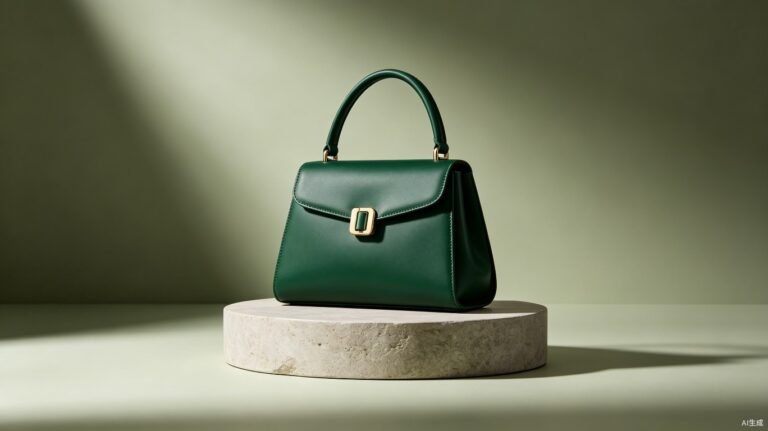
See how silicone-based material holds up where premium bags fail first: edges, handles and high-contact panels.
If your line targets premium retail, material choice is a design decision as much as a durability one. The silicone microfiber leather range, for example, pairs a microfiber base with a silicone surface for a hand-feel closer to animal leather without any of its maintenance problems.
Check 7: Run the Five-Year TCO Math Before You Sign
The last check is arithmetic, and it’s the one procurement teams skip most often. A cheaper PU-based fabric looks 30–40% less expensive per meter. But service life changes the equation: silicone-based material delivers 10–15 years of usable life against roughly 2–3 for conventional PU, which cuts replacement volume by about two-thirds over a 15-year cycle. Spread across a handbag program, that difference shows up as fewer warranty claims, fewer markdowns, and a brand page with fewer one-star “it fell apart” reviews.

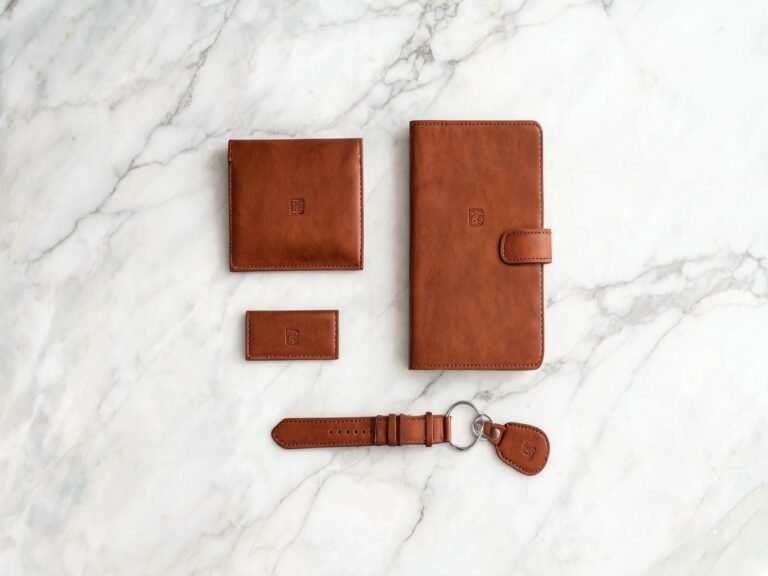
Premium small goods live or die on coating quality — the part of the spec no stitching audit covers.
Ask every bidder to quote cost per service-year, not just cost per meter. The supplier who can document why their number is higher is usually the one worth signing. For brands building full accessory ranges, our silicone leather for fashion accessories page breaks down material options by application. You can review how silicone compares with PU across hydrolysis, abrasion and temperature before you commit.
Request Bag-Material Test Reports
Frequently Asked Questions
Do vegan leather bags peel or crack over time?
Conventional PU does, typically within two to three years, because hydrolysis breaks down the polyester urethane coating from the inside. Silicone-based vegan leather doesn’t share that failure mode. Its Si-O-Si polymer backbone is roughly 25% stronger chemically and does not absorb moisture the same way. That is why it carries hydrolysis-proof classification under ISO 11507 testing.
What MOQ should I expect when sourcing the material for vegan leather bags?
Material MOQ is usually quoted in meters, not pieces — 500 meters per color and texture is a common floor for custom runs, with stock colors sometimes lower. Because one meter of fabric yields multiple bag panels, a 500-meter material order typically supports a production run of several hundred finished pieces per style. The fabric MOQ is rarely the bottleneck brands expect it to be.
The Bottom Line: Audit the Fabric First
A vegan leather bags manufacturer evaluation fails or succeeds on the material spec. The seven checks above turn that judgment call into a checklist your team can run in a week. Before your next RFQ goes out:
- Collect the REACH SVHC scope and verify one report number with the issuing lab.
- Demand Martindale and hydrolysis data in cycle counts, not adjectives.
- Confirm material MOQ and sample refund terms in writing.
- Price every bid as cost per service-year across five years.
- Order swatches of the top two candidates and bend them 100 times by hand — the coating will tell you the truth faster than any PDF.
About TOPSUN
TOPSUN supplies silicone-based vegan leather materials to bag, fashion-accessory and footwear brands in more than 30 countries, operating three manufacturing bases across Dongguan, Yichang and Xiangyang with a monthly capacity of 500,000 meters.
Material programs run on REACH 247-substance screening, SGS-verified abrasion to 200,000+ cycles, MOQ from 500 meters and 7–15 day lead times — with free A4 swatches and OEM/ODM formulations for regional certification needs.
References
1. https://www.grandviewresearch.com/industry-analysis/… — Global vegan leather market USD 11.6B (2025) to USD 26.8B (2033), 11.4% CAGR