A roll of woven polyester enters our coater at seven in the morning, plain and gray. By noon the same roll leaves the curing section as textile silicone. It shrugs off 250°C and wipes clean with alcohol. A decade outdoors, and it still flexes. Visitors watching this happen usually ask the same question. What exactly did you add?
The honest answer is a system, not a substance. Textile silicone is a woven base, a cured silicone face, and a coating process that decides how well the two stay married. Miss any one of the three and the material disappoints. This piece walks all three, from backbone chemistry to a real order.
What Textile Silicone Actually Is
Strip the branding away and a silicone-coated fabric is a textile with a cured silicone layer bonded to a woven base. The base can be polyester for lightweight work, nylon for strength-to-weight, fiberglass for extreme heat, or aramid for the hardest duty. The silicone face changes how the fabric behaves around heat, moisture, abrasion, and chemicals, while keeping the drape of the cloth underneath.
The base cloth carries the load; the silicone face carries the environment. That division of labor is why specifying one without the other is the first mistake buyers make.

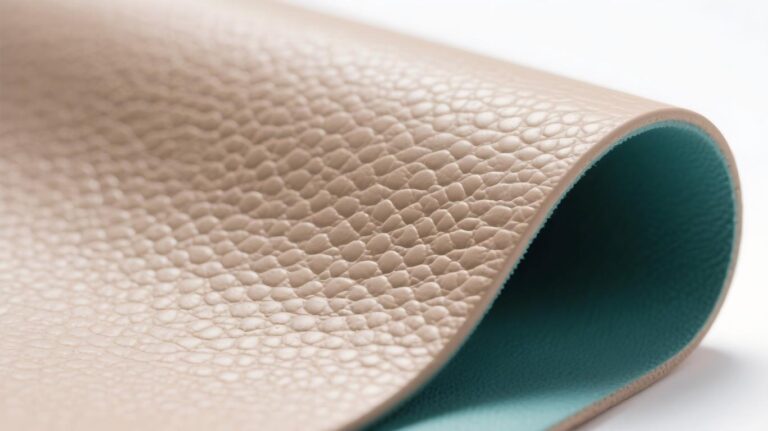
Base fabric on the line. Every property claim starts with this roll.
The Si-O Backbone Difference
Most coated textiles fail because their polymer backbone is organic. Polyurethane chains are built on carbon-carbon bonds that UV, hydrolysis, and cleaning chemicals attack year after year. Outdoor gear makers know the ladder well. Cheaper polyester-urethanes decompose first in damp storage. Polyether grades hold longer, and polycarbonate grades longer still. Yet all of them sit on the same fragile C-C spine.
Silicone is built differently. Its backbone is silicon-oxygen, the same bonding found in quartz, with bond energies high enough that UV and water have no easy entry. There is no plasticizer to migrate, so the face cannot stiffen from the inside. The full mechanism is laid out in our silicone leather introduction.
How the Three Coating Families Split
| Coating | Comfort zone | Where it wins |
|---|---|---|
| PVC | -20°C to 60°C | Cost, weldability, industrial duty |
| PU / TPU | -20°C to 80°C | Light weight, flexibility, breathability |
| Silicone | Deep cold to ~250°C | Heat, UV life, chemical inertness, cleanability |
The industry shorthand is fair: PVC is the workhorse and PU is the lightweight option. Silicone is the specialist you buy for heat and longevity. One warning from the tenting world applies everywhere. The label silicone-coated now gets borrowed by builds that are mostly polyurethane with a silicone dusting. Ask what the full face actually is.

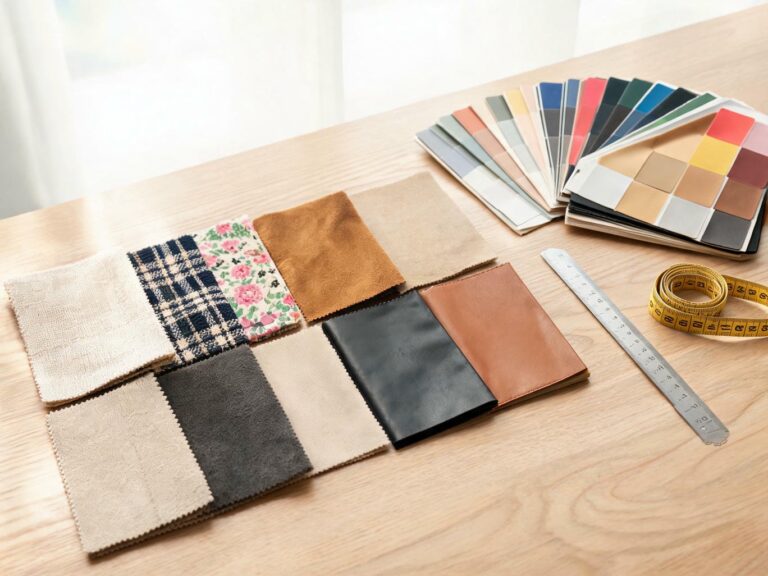
Leveling the coat. Even silicone weight is what keeps the numbers honest.
A Case From the Coating Line
A yoga brand came to us last year with a familiar complaint. Their TPU-topped mats went sticky after a season of hot studios and alcohol wipes, and returns were climbing. We quoted a textile silicone build instead: a tight woven base topped with a fully cured silicone face, 1.0 mm overall. Wipe tests with 75% alcohol showed no surface change after repeated cycles, and the material stayed grippy when damp.
The reorder told the rest of the story: the brand moved its premium line over and kept TPU only at entry price points. That is the pattern we see across fashion and sports goods, where cleaning chemicals and skin contact sit together.
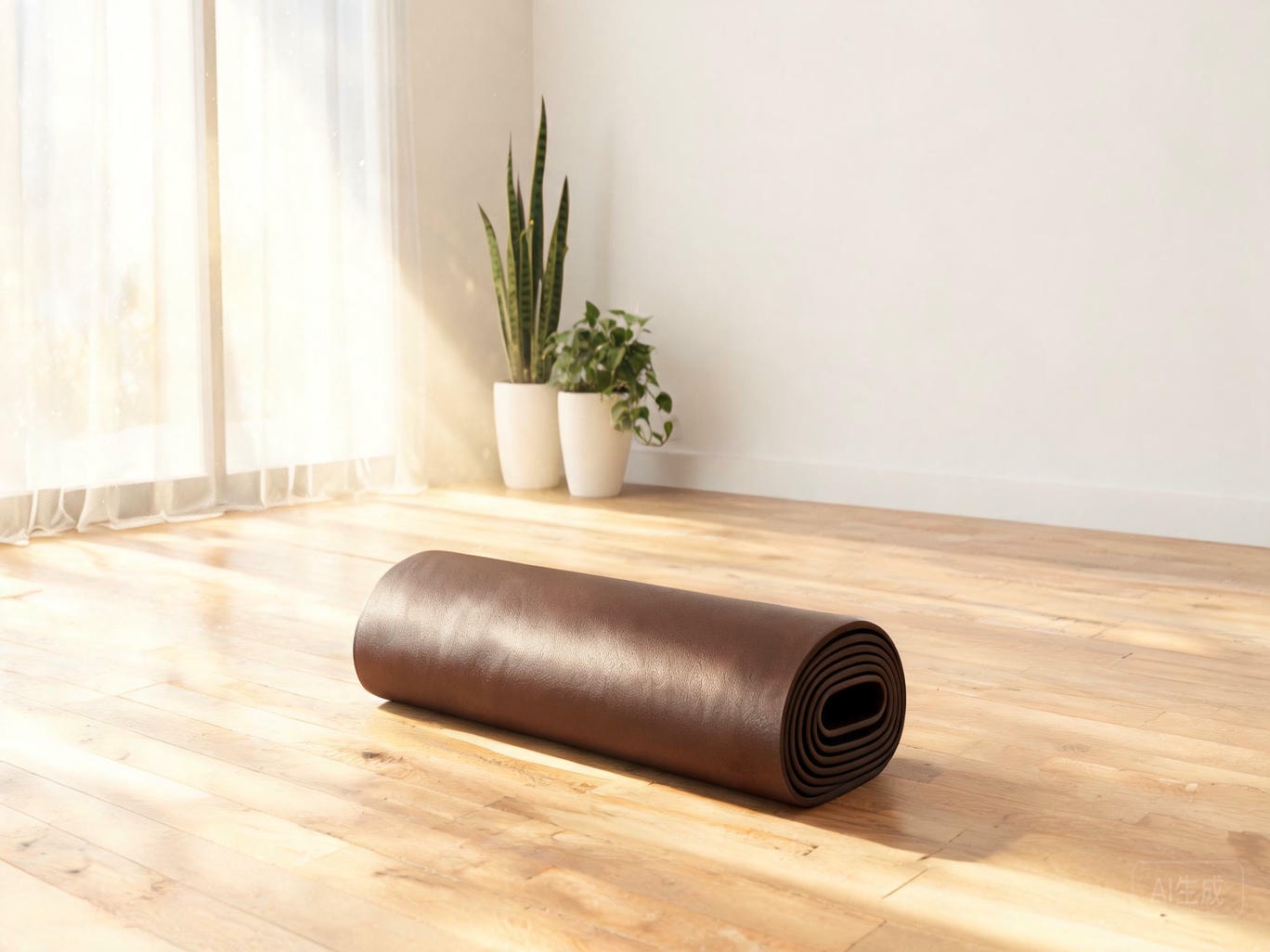
Studio-grade surface: the case that alcohol wipes and grip have to coexist.
Breathable performance on camera: comfort properties a coated textile can keep.
Discuss Your Textile Silicone Build
Specifying Textile Silicone: What to Lock Down
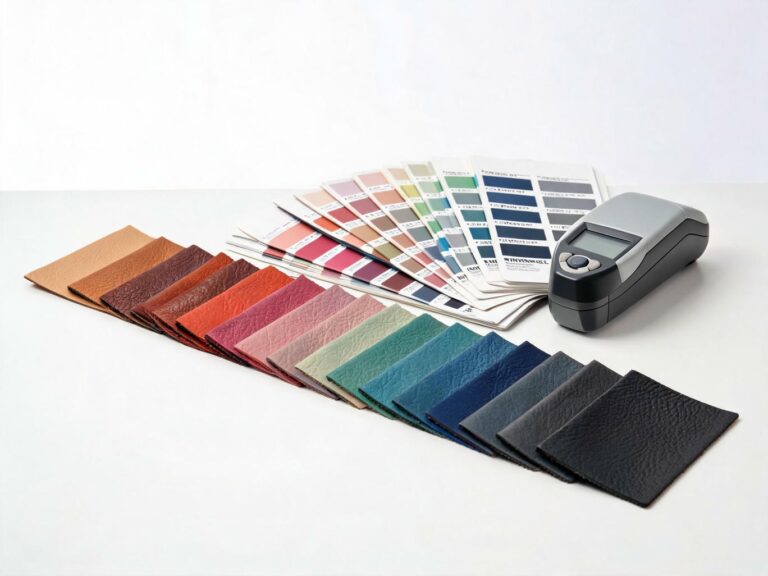
Four lines on the spec sheet decide most programs. Base fabric, by fiber and weight. Silicone face, full-silicone or semi, with coating weight in grams per square meter. Total thickness, which on our line runs 0.8 to 2.0 mm. And the report set: Martindale abrasion at 200,000 cycles, tensile at ISO 3376, and cytotoxicity at ISO 10993-5 for anything touching skin. Our microfiber leather line shows how far a premium base can push the numbers.
None of these lines is exotic. The discipline is asking for all four on every quote, so the versions you compare are actually the same product.
Your Next Four Steps
Take these four actions on your next textile silicone program. One, name the base fabric and its weight, not just the total thickness. Two, confirm the face is fully silicone, not a PU blend wearing the label. Three, demand the abrasion, tensile, and biocompatibility reports with the sample, not after it. Four, run your own cleaning cycle on the sample before the PO, because your chemicals are the ones that matter.
Buyers who follow the list stop paying for surprises. Start with samples that carry their own evidence.
Order Textile Silicone Samples
Frequently Asked Questions
Is textile silicone the same as silicone leather?
Silicone leather is one branch of the silicone-coated fabric family, tuned for upholstery hand-feel, thickness, and grain. The wider textile silicone family also covers lightweight outdoor builds and industrial sheets, where the base cloth and coating weight differ. The chemistry is shared; the construction targets a different duty.
Does a silicone coating make fabric stiff?
No. Cured silicone stays flexible from deep cold up to roughly 250°C. That range is why it suits folding goods and garments as well as industrial covers. Stiffness comes from heavy coating weights or stiff base weaves, so control those two if drape matters to your product.
About TOPSUN
TOPSUN coats woven base fabrics with silicone on in-house lines, delivering textile silicone builds from 0.8 to 2.0 mm for furniture, automotive, marine, sports, and medical programs. Every sample ships with its abrasion, tensile, and flex reports attached.
Compliance covers REACH, PAHs, FDA 21 CFR 175.300, and ISO 10993-5, with a standard MOQ of 500 meters. Our engineers help buyers lock down the four spec lines that decide a program before quotes go out.