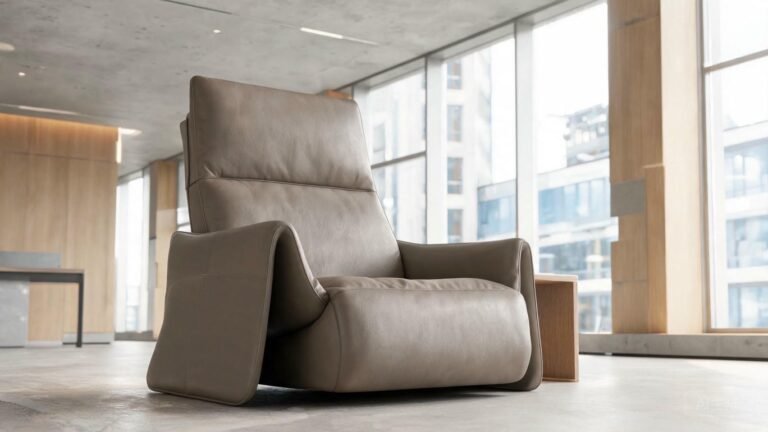
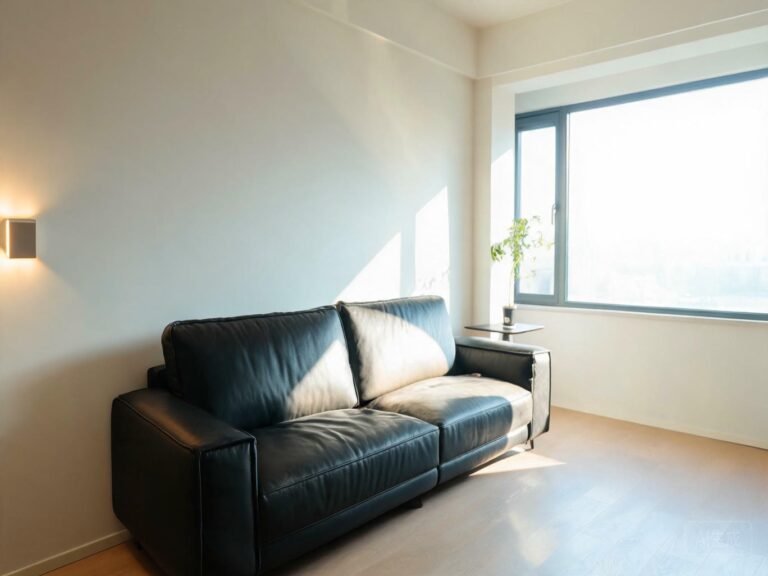
For material specifiers, interior designers, and furniture engineers evaluating synthetic upholstery options, silicone upholstery fabric represents a fundamentally different chemistry from the PU and PVC materials that have dominated the market for decades. The distinction matters because it affects every downstream performance characteristic: durability, cleanability, fire compliance, VOC emissions, and service life. This technical guide provides specifiers with the data needed to evaluate silicone upholstery fabric against project requirements, including test standards, fire code compliance, and practical manufacturing considerations. According to the International Facility Management Association (IFMA), material longevity and maintenance cost are now the top two factors in commercial furnishing decisions — both areas where silicone fabric has a measurable advantage.
Silicone Upholstery Fabric: Technical Specifications
Below are the key specifications specifiers need when evaluating silicone upholstery fabric. All data is from our production lines and independently verified by SGS and Intertek:
| Specification | Value | Test Standard |
|---|---|---|
| Total Thickness | 0.8 – 2.5 mm | ISO 2286-2 |
| Width | 1,370 – 1,500 mm (standard); 1,800 mm (wide) | — |
| Tensile Strength | ≥ 15 N/mm | ISO 3376 |
| Tear Strength | ≥ 20 N | ISO 34-1 |
| Martindale Abrasion | ≥ 200,000 cycles | ISO 12947-2 |
| Flex Endurance | ≥ 100,000 cycles | ISO 5402 |
| Light Fastness | Grade 4-5 | ISO 105-B02 |
| Rubbing Fastness | Grade 4-5 | ISO 105-X12 |
| Temperature Range | -40°C to 250°C | ISO 1726 |
| VOC Emissions | Zero | ISO 16000-6 |
| Water Resistance | 100% waterproof (AATCC 127) | AATCC 127 |

Waterproof testing confirms that silicone upholstery fabric provides complete liquid resistance — a key specification for hospitality and medical environments.
Fire Code Compliance Without Chemical Treatments
One of the most significant advantages of silicone upholstery fabric for specifiers is that it achieves fire code compliance without chemical flame retardant additives. The inherent flame resistance comes from the silicone polymer’s Si-O bond structure, which forms a protective silica char layer when exposed to fire.
This matters because halogenated flame retardants — the chemicals used to make PU and PVC fabric pass fire tests — are increasingly restricted under REACH and environmental regulations. Silicone upholstery fabric passes these fire standards naturally:
| Fire Standard | Result | Application |
|---|---|---|
| EN 13773 Class 4 | Pass (Crib 5 equivalent) | Contract furniture (EU) |
| California TB 117-2013 | Pass (smolder resistance) | Upholstered furniture (US) |
| FMVSS 302 | Pass (burn rate ≤ 102 mm/min) | Automotive interiors |
| FAR 25.853 | Pass (aircraft grade) | Aviation seating |
| BS 5852 Source 5 (Crib 5) | Pass | Public building furniture (UK) |
Specifier Note: When specifying silicone upholstery fabric for fire-regulated environments, request the original fire test certificate for the specific SKU (color and thickness), not a generic certificate for “similar” products. Fire test results can vary by color and thickness — darker colors absorb more heat, and thinner materials burn faster. Reputable suppliers maintain fire certificates for every SKU in their range.
Cleaning and Maintenance Protocols for Silicone Fabric
The cleanability of silicone upholstery fabric is one of its strongest practical advantages. Here is a maintenance protocol guide for facility managers and housekeeping teams:
| Cleaning Scenario | Recommended Method | Product Compatibility |
|---|---|---|
| Daily Dust | Soft cloth or vacuum with upholstery attachment | No chemicals needed |
| Spills & Stains | Damp cloth with mild soap — wipe and dry | No special products required |
| Disinfection (Medical/Hospitality) | 70% Isopropyl alcohol wipe | No degradation — safe for repeated use |
| Heavy Sanitization | Sodium hypochlorite (bleach) solution, 1:10 dilution | No degradation — safe for repeated use |
| Enzymatic Cleaners | Bio-enzymatic upholstery cleaner | Safe — no adverse reaction |

Scratch resistance testing — silicone upholstery fabric maintains surface integrity under mechanical stress that would mark PU and PVC.
Quality Control in Silicone Upholstery Fabric Production
For specifiers who need assurance that every roll meets the stated specifications, understanding the QC process is critical. The video below shows our quality control procedures:
See how every roll of silicone upholstery fabric undergoes mechanical, visual, and chemical inspection before shipment.
Fabrication Guide: Cutting, Sewing, and Upholstering
Silicone upholstery fabric processes on standard equipment with minor adjustments. This is a practical advantage over some specialty materials that require proprietary tooling:
- Cutting. CNC oscillating knife, die press, or hand cutting. PTFE-coated blades reduce friction. Standard PU cutting parameters apply — no special force or speed adjustments needed.
- Sewing. PTFE-coated needles, size 16-18 for furniture weight. Slightly higher thread tension (+10-15% vs. PU) compensates for silicone’s surface tack. Stitch per inch: 6-8 SPI standard.
- Stapling. Standard pneumatic upholstery staplers work without modification. Silicone’s flexibility allows tight stretching around frames.
- Edge Finishing. Silicone fabric can be folded and stitched like PU. For raw edges, silicone does not fray — the coating layer seals the edge naturally.

Multi-layer silicone upholstery fabric rolls — each roll is batch-tracked for full specification traceability.
Frequently Asked Questions
Does silicone upholstery fabric breathe?
The base fabric substrate provides breathability, and TOPSUN offers perforated (micro-hole) versions specifically designed for applications requiring enhanced airflow — such as automotive car seats and office chairs. Standard solid-surface silicone upholstery fabric has breathability comparable to PU leather, which is to say — limited. For seating applications where comfort is a priority, specify the perforated grade.
What thickness is recommended for seating upholstery?
For seat cushions: 1.2-1.5mm total thickness. For backrests and side panels: 0.8-1.0mm. For high-traffic contract furniture (hotels, cinemas): 1.5-2.0mm for maximum abrasion resistance. The thickness range affects both durability and hand-feel — thicker grades feel more substantial but are less flexible.
Can silicone upholstery fabric be used in healthcare environments?
Yes — this is one of silicone’s strongest applications. The material withstands repeated alcohol, bleach, and hydrogen peroxide disinfection without surface degradation. It contains no phthalates, no BPA, and passes ISO 10993 biocompatibility testing. For more healthcare-specific information, see our medical-grade upholstery guide.
Specifying with Confidence
Silicone upholstery fabric is not the right choice for every project, but for specifiers working on healthcare, hospitality, senior living, or fire-regulated environments, the technical advantages are substantial and measurable. Zero VOC, inherent flame resistance, 200,000+ Martindale abrasion cycles, and alcohol-safe cleaning add up to a material that solves real problems that PU and PVC cannot.
Start with the Technical Data Sheet, order a specifier sample kit, and run your own tests against your project’s specific requirements. The data supports the switch — the physical samples will confirm it.
About TOPSUN
TOPSUN manufactures silicone upholstery fabric from a 60,000 sqm facility with 18 production lines and ISO-compliant quality systems. Every roll is batch-tracked with full traceability from raw material to finished product, backed by SGS and Intertek test reports.
Relevant Certifications: EN 13773 Class 4 | FMVSS 302 | FAR 25.853 | TB 117-2013 | BS 5852 Crib 5 | ISO 10993 | REACH | ISO 16000-6 Zero VOC | SGS & Intertek Tested