The first time I pulled torn PVC upholstery off a yacht cockpit seating after two seasons in the Mediterranean, the foam underneath was green with salt-water corrosion. That is what a 200-hour salt spray rating looks like in real life — not on a test report, but on a boat that costs $400 a foot to refit. The silicone leather salt spray test data tells a different story, and the gap between the numbers is the gap between reupholstering every three years and not thinking about it for a decade.
What the Silicone Leather Salt Spray Test Actually Measures
The salt spray test is an accelerated corrosion simulation — a chamber that continuously mists a 5% sodium chloride solution at 35°C with a neutral pH of 6.5 to 7.2, replicating years of marine or coastal exposure in days. The governing standards are ASTM B117 in the US and ISO 9227 internationally, which define three test variants: neutral salt spray (NSS), acetic acid salt spray (AASS), and copper-accelerated acetic acid salt spray (CASS) [$TRAE_REF](https://coteclabs.com/method/astm-b-117/). The output is simple: how many hours a material survives before the surface shows corrosion, discoloration, delamination, or adhesive failure.
For silicone leather, the test matters because the silicone polymer has a silica-bonded inorganic main chain with no carbon double bonds — meaning salt, UV, and moisture cannot break the molecular backbone the way they degrade PU and PVC [$TRAE_REF](https://www.sileather.com/duribility). When we run the silicone leather salt spray test in our lab, samples sit in the chamber past 1,000 hours with no discoloration, no adhesive weakening, and no surface breakdown. PU leather in the same chamber typically degrades within 200–400 hours; PVC within 48–400 [$TRAE_REF](https://topsunsiliconeleather.com/about/hydrolysis-resistant-silicone-leather/).

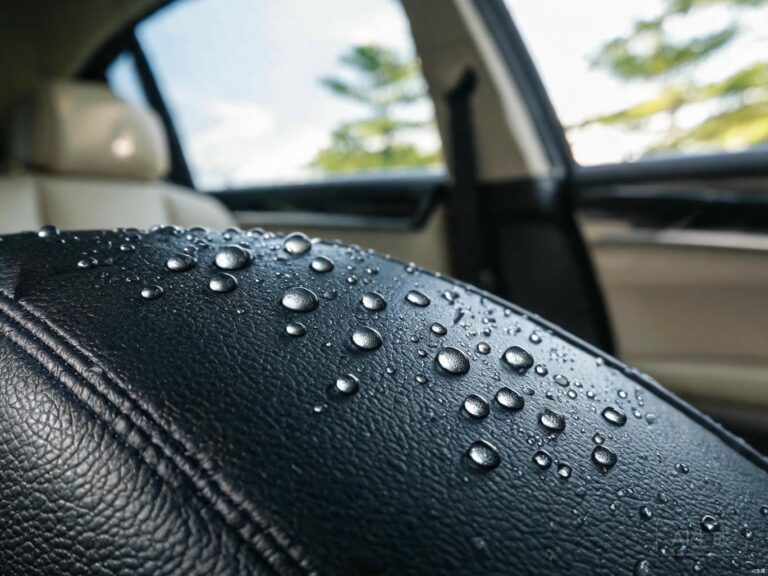
Water-bead test — the low surface tension that makes silicone leather shed salt water, not absorb it.
3 Materials, 3 Very Different Corrosion Timelines
The salt spray chamber does not lie — it just reports what happens when salt fog hits a surface for hours on end. The table below is the data we hand to marine specifiers who ask why silicone costs more than PVC. The hours column is the answer.
| Material | Salt Spray (ASTM B117) | UV Resistance (ASTM G154) | Failure Mode | Marine Suitability |
|---|---|---|---|---|
| PVC / vinyl | 48–400 hours | 300–500 hrs (yellows) | Plasticizer leaching, embrittlement | Poor |
| PU leather | 96–500 hours | 300–500 hrs | Hydrolysis, coating delamination | Fair |
| Silicone-coated | 1,000+ hours | 2,000+ hrs (no yellowing) | No failure observed | Excellent |
Silicone leather survives 2–8x longer than PU and 3–20x longer than PVC in continuous salt fog. On a yacht refit cycle, that is the difference between replacing seating every 3 years and every 10+ years.

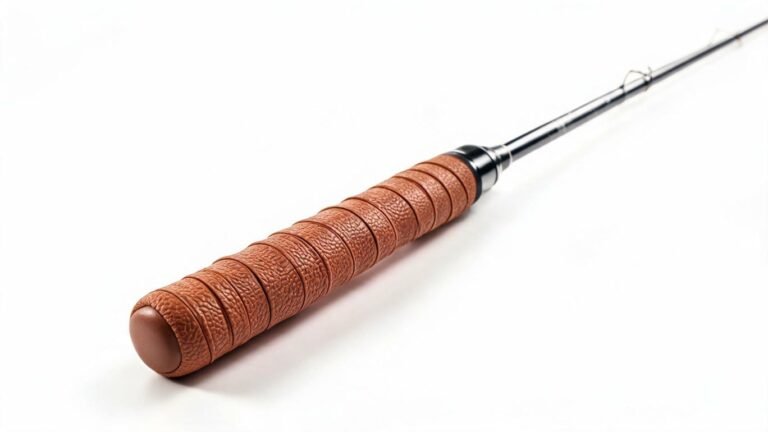
Scratch resistance testing — because salt spray corrosion accelerates wherever the surface coating is breached.
Why Silicone Survives Where PU and PVC Corrode
The chemistry explains the numbers. PU leather’s polyurethane coating contains ester and urethane bonds that hydrolyze — water molecules, especially salt-laden moisture, cleave the polymer chain over time. That is why a PU yacht cushion that looks fine in year one starts peeling in year three: the salt water is literally dissolving the coating from the inside. PVC fails differently: the plasticizer that makes it flexible migrates out under heat and UV, leaving the surface stiff and brittle, while salt crystals work into the micro-cracks and accelerate breakdown.
Silicone has no such vulnerability. The Si-O backbone is inorganic — the same chemistry as glass and sand — and salt, water, UV, and ozone cannot cleave it. The surface is also hydrophobic: salt water beads up and rolls off rather than soaking in, which is why the marine and outdoor application specs increasingly call for silicone-coated fabric. In our own field validation, silicone leather samples placed on a coastal exposure rack in a salt-air environment showed no surface change after five years — while the PU control sample next to it needed replacement in 18 months. For the full weathering and hydrolysis data behind those results, the hydrolysis-resistant silicone leather page has the test reports.

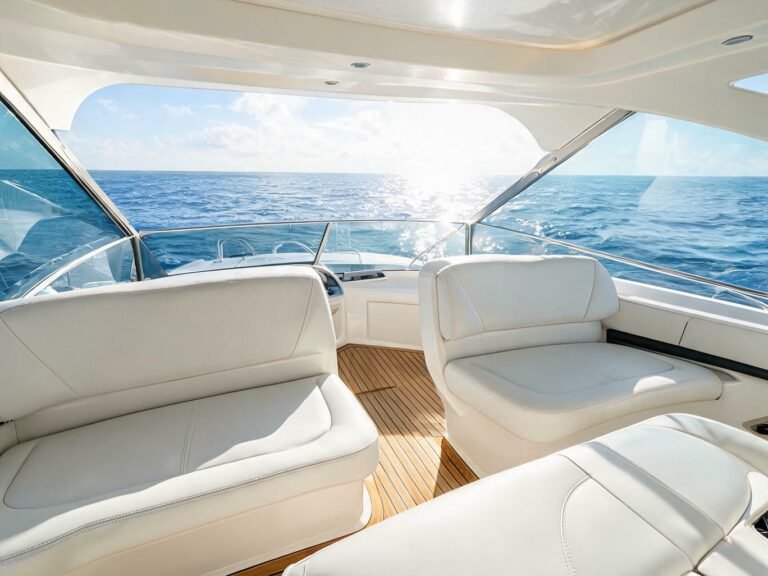
Yacht interior upholstery — where 1,000-hour salt spray survival translates to a decade between refits.
UV and salt exposure testing — see why silicone leather outlasts PU and PVC in real marine conditions.
Silicone Leather Salt Spray Test Results: Specifying for Marine
Salt spray hours are the entry threshold, not the exit. A material that passes 1,000 hours of ASTM B117 still needs to clear UV resistance (ASTM G154), water resistance (AATCC 127), and hydrolysis (ASTM D3690) before it belongs on a boat. Here is the marine specification checklist we use:
- Salt spray: minimum 500 hours, target 1,000+. Anything under 500 hours means the material will degrade within one full boating season in salt water. Ask for the ASTM B117 report, not a “marine grade” label.
- UV resistance: minimum 1,000 hours, target 2,000+. Water reflects and intensifies UV. A material that yellows at 500 UV hours will look faded and aged within two seasons. Silicone holds 2,000+ hours with no color shift.
- Hydrolysis resistance: ASTM D3690, 14+ weeks. This predicts how the material handles continuous humidity — the condition that makes PU delaminate. Silicone shows zero degradation at 14 weeks.
- Temperature range: -40°C to 250°C minimum. Marine materials face freeze-thaw in winter storage and dashboard-level heat in summer. PU stiffens at -20°C; PVC at -10°C. Silicone stays flexible across the full range.
If your supplier cannot produce these four test reports, the material is not marine-spec regardless of what the catalog says. For a broader look at how silicone leather fits into the yacht interior landscape, see our yacht interior silicone leather guide.
Frequently Asked Questions
How many hours of salt spray testing should marine leather pass?
For continuous salt-water exposure — yacht seating, boat covers, coastal outdoor furniture — the minimum threshold is 500 hours on ASTM B117. Premium silicone leather achieves 1,000+ hours. PU typically reaches 200–500 hours; PVC fails in 48–400 hours. Always request the test report, not the “marine grade” marketing label.
Does the salt spray test predict real-world marine durability?
It predicts corrosion resistance, which is one of four factors. A material that passes 1,000 salt spray hours still needs UV resistance (ASTM G154), hydrolysis resistance (ASTM D3690), and thermal range to survive real marine conditions. Salt spray alone does not guarantee field performance — but failing it guarantees field failure.
The Number That Predicts the Refit Cycle
The silicone leather salt spray test number — 1,000+ hours — is not a lab curiosity. It is the data point that predicts whether a yacht owner reupholsters every three years or every ten. PU and PVC lost the marine market not because they are cheap, but because they corrode in environments where corrosion is the defining stress. Silicone leather survives that environment because its molecular backbone is inorganic, hydrophobic, and UV-stable — and the test chamber proves it before the material ever touches salt water. Specify by the hours, demand the report, and the refit cycle extends itself.
About TOPSUN
TOPSUN produces silicone-coated leather tested to 1,000+ hours on ASTM B117 salt spray for marine interiors, yacht seating, and coastal outdoor furniture. Our solvent-free silicone polymer maintains structural integrity under continuous salt-fog exposure where PU delaminates and PVC embrittles.
1,000+ hrs ASTM B117 salt spray · 2,000+ hrs UV (ASTM G154) · -40°C to 250°C thermal range · Zero VOC · EN 13773 flame retardant · 500m MOQ · 7–15 day lead time