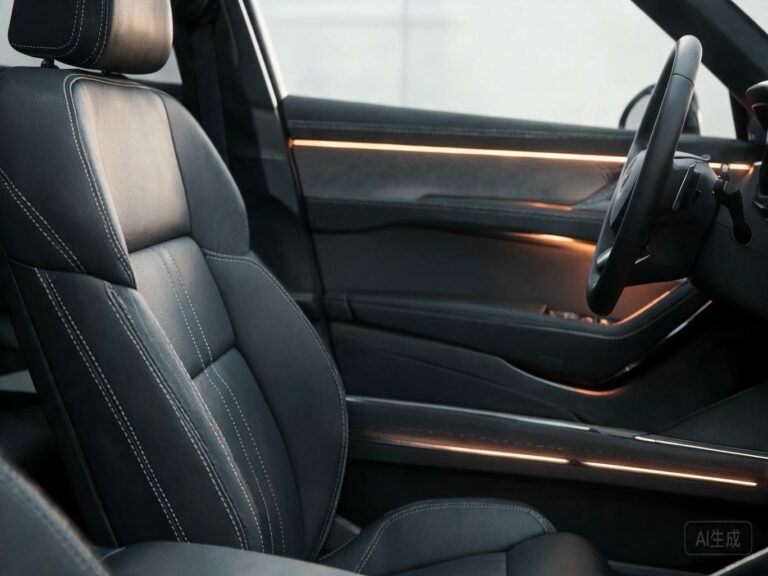
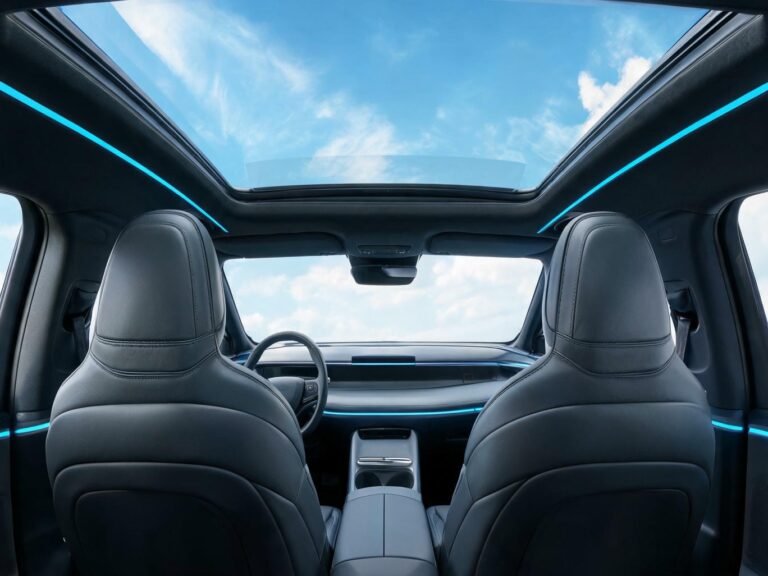
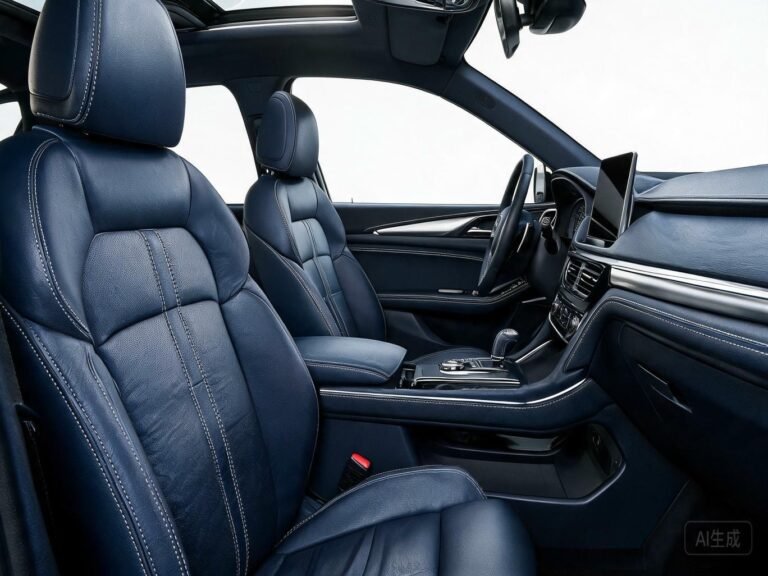
The global automotive industry is undergoing a materials transformation. As electric vehicles gain market share and consumers demand higher interior quality, silicone leather for automotive interiors is emerging as a premium alternative to traditional PU and PVC leather. According to recent market research, the automotive silicone leather segment is projected to grow at a 15.4% CAGR through 2032, driven by stricter emissions standards and consumer expectations for durability. [1][2]
What makes silicone-based leather stand out in automotive applications? Let’s examine the key performance characteristics that are winning over OEM engineers and automotive designers worldwide.
View Our Automotive-Grade Collection
Why Heat Resistance Matters in Automotive Interiors
Park a car under the summer sun, and dashboard temperatures can exceed 80°C (176°F). Traditional materials like PU leather start to break down at these temperatures, cracking, discoloring, and releasing volatile organic compounds (VOCs) into the cabin. That’s where automotive silicone leather’s advantage becomes clear.
At TOPSUN, our automotive-grade silicone leather maintains its physical properties across a temperature range from -40°C to 250°C. This extreme thermal stability means:
- No cracking or brittleness in cold winter climates
- No melting or sticky residue on hot summer days
- Zero VOC emissions even at sustained high temperatures, meeting VDA 277 standards
Silicone leather maintains 95% of its tensile strength after 1000 hours of UV exposure at 80°C, compared to just 45% for PU leather. This translates to 10+ years of service life versus 3-5 years for conventional materials.
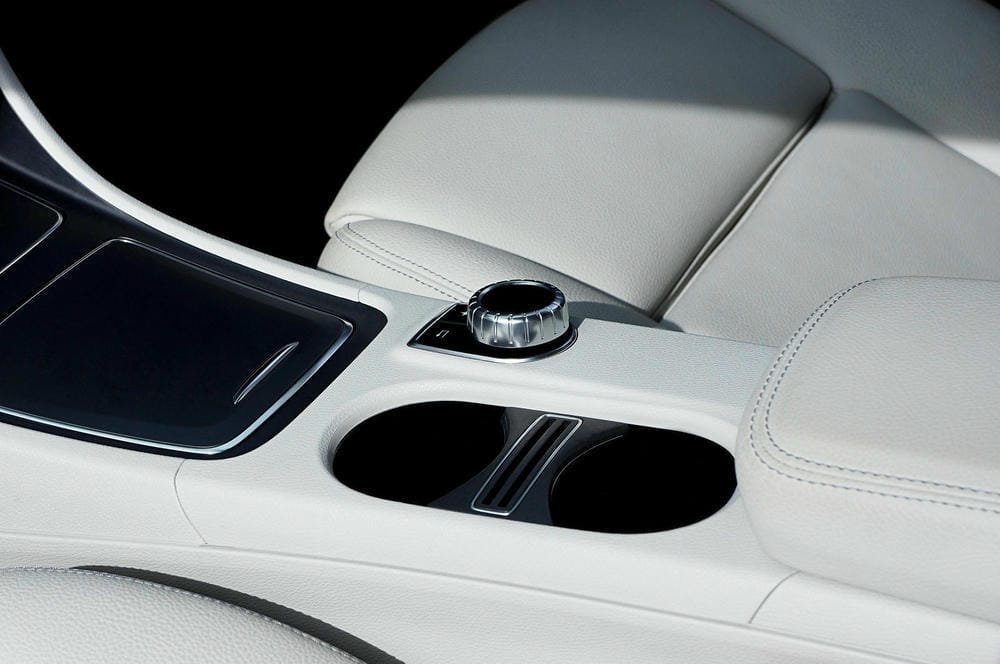
Modern automotive interiors rely on silicone leather for consistent color and performance across temperature extremes
Durability That Meets OEM Performance Standards
Automotive interiors see constant abrasion from sliding in and out, frequent contact with hands and clothing, and exposure to spills and UV radiation. For automotive leather suppliers, durability isn’t just a nice-to-have—it’s an OEM requirement.
Our automotive silicone leather achieves:
| Property | Silicone Leather | PU Leather |
|---|---|---|
| Martindale Abrasion | ≥200,000 cycles | 10,000-30,000 cycles |
| Temperature Range | -40°C to 250°C | -20°C to 60°C |
| UV Resistance | Grade 4-5 | Grade 2-3 |
| Expected Lifespan | 10-15+ years | 2-5 years |
In our experience working with major Chinese automakers like Dongfeng and Leapmotor, the lower total cost of ownership (TCO) of silicone leather actually makes it more economical than PU over the vehicle’s lifetime. Even though the upfront material cost is higher, you don’t need warranty replacements or premature reupholstering.
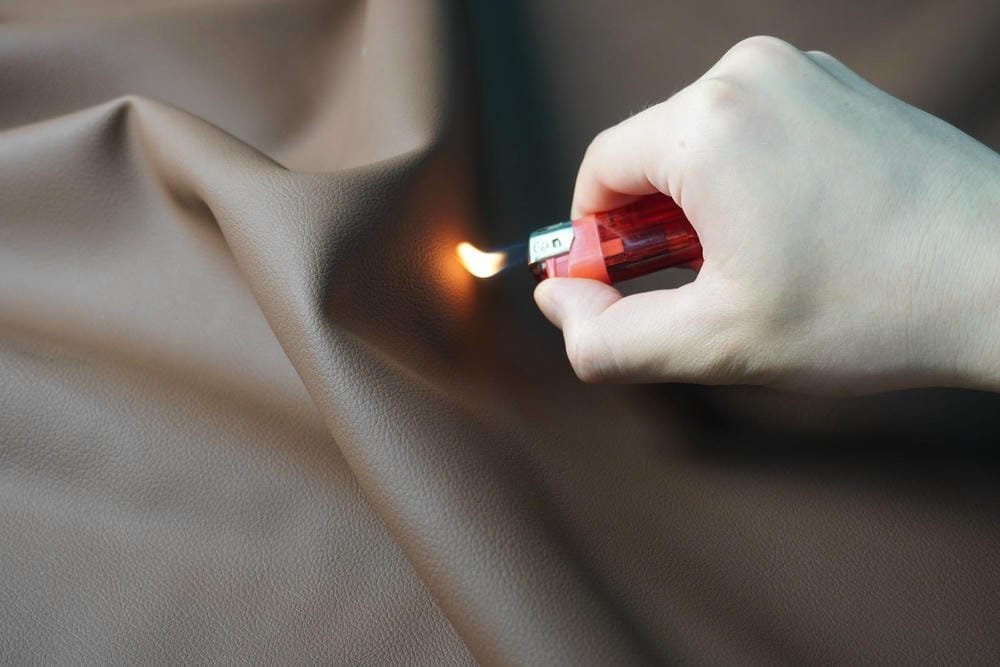
Heat resistance testing at TOPSUN’s quality control laboratory
Flame Resistance and Safety Compliance
Safety regulations for automotive interiors continue to tighten. Modern silicone leather formulations meet the most stringent flame resistance standards required by OEMs and regulatory bodies.
Our super flame retardant silicone leather collection achieves:
- FAR 25.853 Appendix F compliance for aerospace and luxury automotive
- EN 13773 Class 4 (highest classification) for flame resistance
- Low smoke density and non-toxic combustion products
The inherently flame-retardant nature of silicone chemistry means we don’t need to load the material with toxic flame retardant chemicals. This aligns with modern automotive sustainability goals while still meeting all safety requirements.
Watch our flame resistance testing to see how silicone leather performs
OEM Customization Capabilities for Automotive Brands
Every automotive brand has its own design language, and material specification is a big part of that identity. As an experienced silicone leather manufacturer, we understand the importance of customization for OEM programs.
Our OEM capabilities include:
- Thickness from 0.8mm to 2.0mm, depending on application
- Exact color matching to any Pantone or brand standard
- 100+ embossed texture patterns available, custom textures welcome
- Multiple backing options: polyester, cotton, foam, or custom substrate
With three production bases across China and an annual capacity of 6 million meters, we can scale with your program from prototype development to full mass production. Our R&D team works closely with your engineers to hit all your performance targets.
Sustainability Benefits for Modern Automotive Brands
Automotive brands are under increasing pressure to reduce their environmental footprint and meet ESG targets. Silicone leather contributes to sustainability in several key ways:
- Zero VOC emissions: Unlike solvent-based PU production, our silicone coating process produces virtually zero VOC emissions
- No restricted substances: Fully compliant with REACH SVHC requirements and free of phthalates, lead, and heavy metals
- Longer service life: 10+ year lifespan means less material going to landfill compared to frequent replacement cycles
- 100% recyclable: Silicone leather can be recycled into lower-grade materials at end-of-life
The automotive industry’s shift toward electric vehicles is actually accelerating adoption of silicone leather. EV manufacturers are more willing to specify premium materials that deliver on the luxury and sustainability expectations of early adopters.
Conclusion: The Future of Automotive Interiors is Silicone
As market data confirms, silicone leather for automotive interiors is on a rapid growth trajectory, with demand projected to expand at 15.4% annually through 2032. [1] The combination of superior heat resistance, unmatched durability, flame resistance, and sustainability attributes makes it the material of choice for forward-thinking automotive OEMs.
Whether you’re developing a new vehicle platform or looking to upgrade from conventional PU leather, silicone leather delivers better performance over the full lifetime of the vehicle. The higher upfront material cost is more than offset by lower warranty claims, longer service life, and happier end customers.
Request Free Automotive Grade Samples
About TOPSUN
TOPSUN is a leading silicone leather manufacturer focused on automotive, furniture, and specialty applications. Since 2018, we’ve been pioneering sustainable silicone coating technology with production capacity of 6 million meters annually across three facilities in China. We serve automotive OEMs and tier-one suppliers globally with custom silicone leather solutions.
Certifications: ISO 10993, REACH, PAHs, EN 13773, FAR 25.853
Sources:
- QYResearch, 2026-2032 Global and China Silicone Synthetic Leather for Automotive Interiors Market Report
- QYResearch, 2026 Organic Silicone Synthetic Leather Industry Trend Analysis