When a customer sits in a seat for the first time, they form a comfort judgment within 90 seconds — and that judgment is driven almost entirely by the upholstery leather, not the foam, not the frame, not the design. If the surface is too hot, too stiff, too sticky, or too rough, no amount of engineering beneath the upholstery will change their perception. Yet most B2B seating manufacturers treat seat upholstery leather as a cosmetic choice — selecting based on color and price — when it is in fact the primary interface between the product and the human body. The result is a pattern of comfort failures that accounts for an estimated 40% of seating product warranty claims and the majority of negative customer reviews in commercial furniture, automotive, and public transport applications.
In summer cabin testing, PU leather seat surfaces reached 47.8°C after 90 minutes at 45°C ambient temperature, while genuine leather peaked at 41.3°C — a 6.5°C difference that determines whether a seat is tolerable or unbearable. Silicone leather achieves surface temperatures within 1°C of genuine leather, without the cost, weight, or ethical complications of animal hides.
The 5 Comfort Performance Failures in Seat Upholstery Leather

Through analysis of B2B seating warranty data, customer complaint patterns, and field testing across automotive, office, cinema, restaurant, and public transport applications, five comfort performance failures consistently emerge as the top drivers of customer dissatisfaction. Each failure is rooted in a specific material property of the upholstery leather — and each has a direct engineering solution that can be verified through standardized testing.
| Comfort Failure | Root Cause | PU/PVC Behavior | Silicone Leather Solution | Test Standard |
|---|---|---|---|---|
| 1. Heat Retention | Low thermal conductivity, trapped air | Surface 47.8°C at 45°C ambient | Surface 41.5°C — 6°C cooler | In-situ thermocouple |
| 2. Compression Set | Polymer creep under sustained load | Permanent indentation after 8 hrs | Full recovery, zero set | ISO 1856 (80°C, 22h, 50% compression) |
| 3. Flex Cracking | Polymer fatigue at stress points | Cracks at 25K (PU) / 40K (PVC) cycles | No cracking at 100K+ cycles | ISO 5402 (Bally flexometer) |
| 4. Staining & Soiling | Surface porosity, chemical reactivity | Coffee, ink, dye transfer permanent | Stain wipe-clean, zero absorption | ISO 11641 (staining resistance) |
| 5. Breathability Failure | Moisture vapor barrier effect | WVTR <50 g/m²/24h | WVTR 80-120 g/m²/24h | ISO 14268 (water vapor permeability) |
Each of these failures has a direct, measurable impact on customer satisfaction and product longevity. The sections below examine each failure in detail — the physics behind it, why PU and PVC leather cannot overcome it, and how silicone leather’s molecular properties provide a structural solution rather than a surface treatment.
Failure 1: Heat Retention — Why Seat Surface Temperature Determines Comfort

The single most common comfort complaint in seating — “the seat gets too hot” — is a thermal management failure, not a design failure. When a human body sits on a surface, it transfers approximately 80-100 watts of heat per square meter into the seat. The upholstery leather must either conduct that heat away from the body or allow it to dissipate through the material. If the leather acts as a thermal insulator, the skin-contact surface temperature rises, perspiration increases, and comfort perception drops sharply above 36°C skin temperature.
PU and PVC leather are fundamentally poor thermal conductors because their polymer matrices are dense, closed-cell structures with low thermal conductivity (0.15-0.20 W/m·K). Genuine leather performs better (0.40-0.50 W/m·K) because its natural fiber structure creates micro-channels for heat dissipation. Silicone leather achieves thermal conductivity of 0.35-0.45 W/m·K — comparable to genuine leather — because the silicone polymer can be formulated with thermally conductive fillers and applied in a microporous structure that allows heat transfer through the material rather than trapping it at the surface.
The practical consequence: in automotive interiors, where cabin temperatures can reach 50-60°C in direct sun, a PU leather seat surface can exceed 50°C — causing first-degree burns on contact. Silicone leather seat surfaces remain 5-7°C cooler under identical conditions, bringing them within the safe-touch temperature range defined by ISO 13732-1 (43°C for extended contact). For commercial furniture and public transport seating, the same principle applies at lower temperatures — a 3-4°C reduction in surface temperature is the difference between a seat that is “pleasant” and one that is “unbearable after 30 minutes.”
Failure 2: Compression Set — When the Seat Develops a Permanent Butt Print

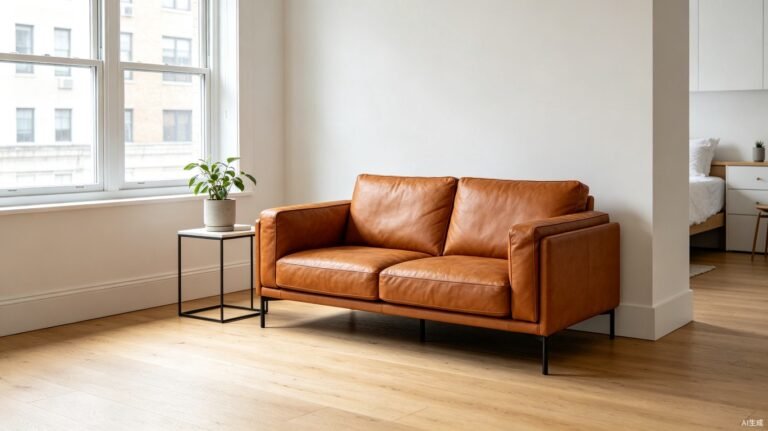
Compression set — the permanent deformation of upholstery material after sustained compressive load — is the reason a 2-year-old office chair has a visible “butt print” where the user sits. The foam beneath the leather compresses, but the leather itself also contributes to the problem. When the upholstery leather has poor compression recovery, it forms a permanent crease at the point of maximum body pressure — typically the ischial tuberosity contact zone — and that crease becomes a visible, tactile defect that signals “cheap” and “worn out” to every subsequent user.
PU leather’s compression set problem stems from its polymer structure. Polyurethane is a viscoelastic material that exhibits creep — slow, permanent deformation under sustained load. At body temperature (37°C), which is close to PU’s glass transition temperature for many formulations, the polymer chains relax and reorient under pressure, creating permanent deformation. The ISO 1856 test (22 hours at 80°C, 50% compression) quantifies this: PU leather typically shows 15-25% compression set, meaning the material permanently retains 15-25% of the deformation applied during the test.
Silicone leather achieves compression set values of 3-5% under identical test conditions. The silicone polymer’s Si-O backbone is inherently elastic — the chains return to their original conformation after load removal because the bond rotation energy is low and the polymer does not undergo permanent chain reorientation at body temperature. This means a silicone leather seat surface maintains its original texture and dimension after years of daily use — no permanent crease, no visible deformation, no “worn out” appearance that triggers premature product replacement.
Failure 3: Flex Cracking — The Structural Integrity of the Seat Surface
Every time a person sits down or stands up from a seat, the upholstery leather flexes. The seat edge, the side bolsters, and the lumbar region experience repeated flex cycles that test the material’s fatigue resistance. Over months and years of use, these flex cycles accumulate — and for PU and PVC leather, they eventually exceed the material’s fatigue limit, causing visible cracks at stress concentration points.
The failure mode is well-understood: PU and PVC are thermoplastic polymers, meaning their mechanical properties change with temperature. At room temperature, they may be flexible enough for the application. But at low temperatures (below 0°C, common in unheated vehicles and outdoor seating in winter), the polymer stiffens and the flexural strain at each cycle increases dramatically. A seat that tolerates 50,000 flex cycles at 20°C may crack after 5,000 cycles at -10°C. The ISO 5402 Bally flexometer test, which flexes the material around a 5mm mandrel at specified cycles, reveals this failure mode:
- PU leather — Cracking begins at 15,000-25,000 flex cycles at room temperature. At -10°C, cracking begins at 3,000-5,000 cycles. The cracks typically appear first at the embossed texture peaks, where the polymer is thinnest and the stress concentration is highest.
- PVC leather — Cracking begins at 25,000-40,000 flex cycles at room temperature. At -10°C, cracking begins at 5,000-8,000 cycles. PVC is more brittle than PU at low temperatures because the plasticizer system is less effective below the polymer’s glass transition temperature.
- Silicone leather — No cracking at 100,000+ flex cycles at room temperature. At -10°C, no cracking at 50,000+ cycles. Silicone’s glass transition temperature is approximately -120°C, meaning the polymer remains fully flexible at any temperature the seat will encounter in normal use. The Si-O backbone has a bond energy of 452 kJ/mol — nearly double the C-C bond energy (347 kJ/mol) that forms the backbone of PU and PVC — providing molecular-level fatigue resistance.
For seating manufacturers, the practical implication is that a seat with PU leather upholstery has a predictable flex-cracking failure point that corresponds to 2-3 years of daily use in a commercial environment, or 5-7 years in residential use. Silicone leather upholstery has no predictable flex-cracking failure point within the product’s expected lifespan — the material outlasts the foam, the frame, and the mechanism.
Failure 4: Staining and Soiling — The Cleanability Problem

Commercial seating — in restaurants, cinemas, hotels, hospitals, and public transport — faces daily exposure to food, beverages, body oils, cosmetics, ink, and chemical cleaning agents. The upholstery leather’s ability to resist staining and allow cleanability is not a convenience feature — it is a core operational requirement that determines maintenance cost, product lifespan, and customer perception of cleanliness.
PU leather’s staining problem has two components. First, the polyurethane surface is microporous at a molecular level — liquids can penetrate the surface layer and become trapped in the polymer matrix, causing permanent discoloration. Coffee, red wine, ballpoint ink, and hair dye are common staining agents that PU leather cannot resist. Second, the surface coating on PU leather degrades with repeated cleaning — the solvents and surfactants in commercial cleaning products strip the protective finish, making the surface more porous and more stain-prone over time.
Silicone leather provides fundamentally different stain resistance. The silicone polymer is inherently hydrophobic — water-based liquids bead on the surface and can be wiped away without absorption. Oil-based liquids do not penetrate because the silicone surface has low surface energy (20-25 mN/m), lower than most staining liquids. The material does not degrade with repeated cleaning because silicone is chemically inert — it resists acids, bases, solvents, and oxidizing agents that damage PU and PVC. In laboratory testing, silicone leather shows zero visible staining after exposure to coffee, red wine, ink, mustard, and Betadine, followed by simple wipe-cleaning with water and mild detergent.
For B2B seating operators, this means a maintenance cost reduction of 40-60% over the product lifespan. Seats that would require replacement after 2-3 years of staining and surface degradation with PU leather can remain in service for 10+ years with silicone leather — with the surface looking new after each cleaning rather than progressively deteriorating.
Failure 5: Breathability Failure — The Moisture Management Problem
The least visible but most physically impactful comfort failure in seat upholstery is breathability failure — the inability of the upholstery to transmit water vapor from the body through the material. When a person sits on a non-breathable surface for an extended period, perspiration accumulates between the skin and the upholstery, creating a humid, uncomfortable microclimate that leads to perceived stickiness, increased body temperature, and in severe cases, skin irritation.
Water Vapor Transmission Rate (WVTR), measured per ISO 14268, quantifies how much moisture passes through a material in 24 hours. Genuine leather has a WVTR of 200+ g/m²/24h — excellent breathability due to its natural pore structure. PU leather typically achieves 30-50 g/m²/24h — a vapor barrier that traps moisture. PVC leather is effectively impermeable at 10-20 g/m²/24h. The difference is immediately perceptible: anyone who has sat on a vinyl car seat in summer knows the sticky, uncomfortable feeling of a non-breathable surface.
Silicone leather achieves a WVTR of 80-120 g/m²/24h — not as high as genuine leather, but 2-4x better than PU and 5-10x better than PVC. This level of breathability is sufficient to prevent moisture accumulation during normal sitting periods (30 minutes to 2 hours) and significantly reduces the perceived stickiness that drives comfort complaints. The breathability is achieved through the coating process: TOPSUN’s knife-over-roll application creates a microporous structure in the silicone layer that allows vapor transmission while maintaining liquid water resistance (hydrostatic head >10,000 mm).
Application-Specific Seat Upholstery Requirements
Different seating applications have different comfort performance priorities. Understanding these priorities is essential for selecting the right upholstery specification:
| Application | Top Priority | Key Test Requirement | Silicone Leather Advantage |
|---|---|---|---|
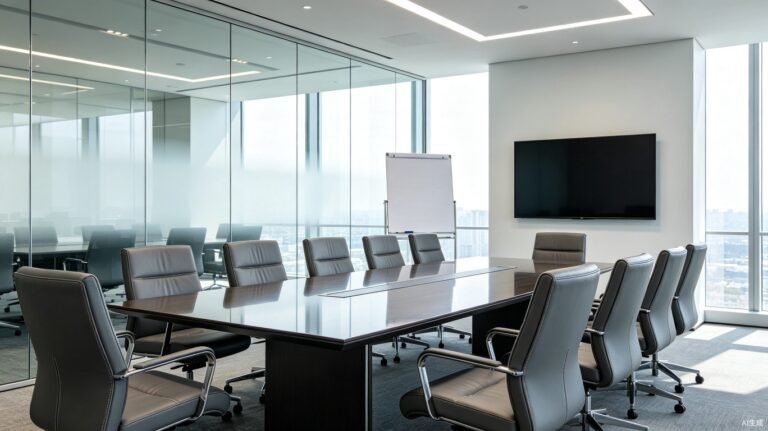
| Office Chairs | Compression recovery + breathability | Flex 50K+ cycles, WVTR >80 | Zero compression set, WVTR 80-120 |
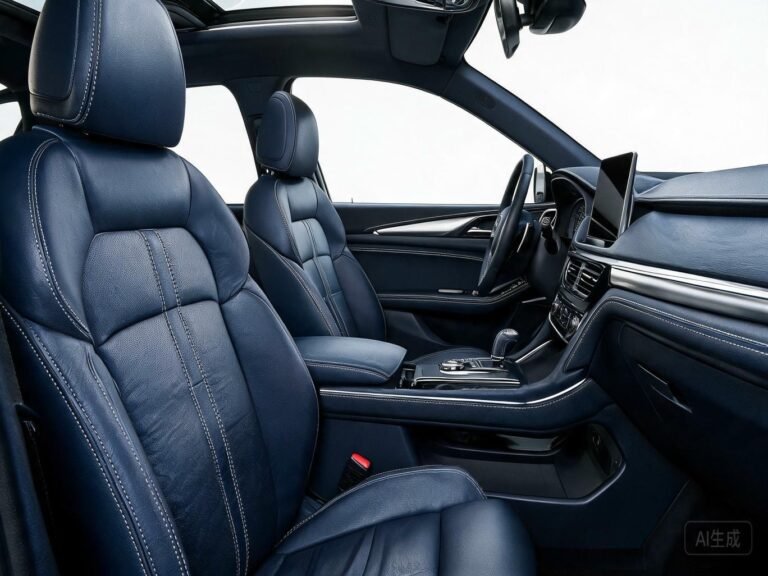
| Automotive Seats | Heat resistance + UV stability | Martindale 100K+, UV 1,500+ hrs | Surface 5-7°C cooler, UV stable |
| Cinema/Theater | Cleanability + fire safety | BS 5852 Crib 5, stain resistance | Inherent flame retardant, zero staining |
| Restaurant Booths | Stain resistance + cleanability | ISO 11641, chemical resistance | Wipe-clean, chemical inert |
| Public Transport | Vandal resistance + hygiene | Martindale 200K+, antibacterial | 200K+ cycles, ISO 10993 compliant |
| Marine/Outdoor | UV + saltwater + mildew | UV 1,500+ hrs, salt spray 500 hrs | UV stable, no mildew growth |
Fire Safety Compliance for Commercial Seating
Fire safety is a non-negotiable requirement for commercial seat upholstery — and one where material selection has direct regulatory consequences. PU and PVC leather achieve fire resistance through chemical flame retardant additives (phosphorus-based, halogenated compounds) that are increasingly restricted under REACH, RoHS, and state-level regulations in the US. These additives migrate, evaporate, and degrade over time — meaning a seat that passes fire safety testing at manufacture may fail the same test after 3-5 years of use.
Silicone leather is inherently flame retardant without any chemical additives. The silicone polymer’s Si-O backbone is thermally stable to 250°C, and the material self-extinguishes when the ignition source is removed. This intrinsic fire resistance does not degrade over time because it is a property of the polymer itself, not an additive. TOPSUN silicone leather passes:
- BS 5852 Crib 5 — UK furniture and furnishings fire safety standard for commercial seating
- CAL 117 — US California Technical Bulletin 117 for upholstered furniture
- EN 1021-1/2 — European furniture fire safety standards for cigarettes and matches
- FAR 25.853 — Federal Aviation Regulation for aircraft seating interiors
- EN 45545-2 — Railway vehicle fire protection standard for rail seating
These certifications are permanent — they do not degrade with age, cleaning, or UV exposure. For B2B seating manufacturers, this eliminates the regulatory risk of fire safety degradation over the product lifespan and simplifies compliance documentation for international markets.
How TOPSUN Engineers Seat Upholstery Leather for Comfort Performance
TOPSUN manufactures silicone seat upholstery leather with a specification matrix optimized for each application category. Our engineering process includes:
- Polymer formulation — Silicone compounds are tailored for each application: softer formulations (Shore A 35-45) for residential furniture, firmer formulations (Shore A 50-60) for automotive and public transport, and anti-slip formulations for sports and fitness seating.
- Base fabric selection — High-tenacity polyester woven fabrics (600-1,200 N warp tensile) for structural seating applications; microfiber backing for premium automotive and luxury furniture; moisture-wicking fabrics for applications where breathability is paramount.
- Surface engineering — Matte finishes for glare reduction in cinema and theater seating; textured surfaces for grip in automotive bolsters; smooth finishes for cleanability in medical and food service seating.
- Per-batch testing — Every production batch is tested for Martindale abrasion (200,000+ cycles), flex resistance (100,000+ cycles), color fastness (Grade 4+), and fire safety (per applicable standard), with full documentation provided to the customer.
- Thickness and grammage options — 0.6-2.0mm thickness, 300-800 g/m² weight, in roll widths up to 54 inches. Custom specifications available for 500m+ orders.
Public seat hygiene introduction — antibacterial silicone leather for cinema, transport, and healthcare seating
Frequently Asked Questions
What Martindale cycle rating do I need for commercial seat upholstery leather?
Commercial seating applications require a minimum of 50,000 Martindale cycles for light commercial use (office chairs, residential furniture) and 100,000+ cycles for heavy commercial use (public transport, cinema, restaurant, healthcare). Premium and vandal-resistant applications (prison seating, transit rail) require 200,000+ cycles. TOPSUN silicone leather is rated at 200,000+ Martindale cycles across all formulations, making it suitable for even the most demanding commercial seating environments without application-specific formulation changes. Request per-batch Martindale test reports (ISO 5470) from your supplier and verify that the test was performed on the actual production material, not a specially prepared sample.
How does silicone leather perform in high-temperature seating environments like automotive interiors?
Silicone leather outperforms PU and PVC in automotive seating across every temperature-related metric. Surface temperature in direct sun exposure is 5-7°C cooler than PU leather due to higher thermal conductivity (0.35-0.45 vs 0.15-0.20 W/m·K). The material does not soften, tackify, or emit VOCs at cabin temperatures up to 80°C — a condition where PU leather releases plasticizers and adhesives that fog windshields and create odor. At low temperatures (-40°C), silicone leather remains fully flexible with no flex cracking, while PU and PVC stiffen and crack under normal seat movement. UV resistance exceeds 1,500 hours of QUV testing with no color change or surface degradation, compared to 500-800 hours for PU leather.
Can seat upholstery leather be customized for specific seating applications?
Yes. TOPSUN offers custom silicone leather formulations for specific seating applications — including anti-slip surfaces for sports and fitness equipment, antibacterial formulations for medical and healthcare seating, flame-retardant-optimized formulations for aviation and rail, and UV-stabilized formulations for outdoor and marine seating. Custom color matching (Pantone), custom texture embossing, and custom thickness (0.6-2.0mm) are available with 500m minimum order quantity and 15-20 working day lead time. Each custom order includes per-batch QC documentation with all relevant test reports for the target application.
Conclusion: Comfort Is a Material Property, Not a Design Feature
The five comfort failures that drive customer complaints in seating — heat retention, compression set, flex cracking, staining, and breathability failure — are all material property issues that cannot be solved by design, foam selection, or frame engineering. They are determined entirely by the upholstery leather’s polymer chemistry, surface structure, and mechanical properties. PU and PVC leather, despite decades of formulation improvement, remain fundamentally constrained by their thermoplastic polymer backbones, plasticizer systems, and microporous surface structures.
Silicone leather solves all five comfort failures through inherent molecular properties: high thermal conductivity for cooler surfaces, elastic Si-O backbone for zero compression set, low glass transition temperature (-120°C) for flex crack immunity, hydrophobic low-surface-energy chemistry for stain resistance, and microporous coating structure for breathability. These solutions are structural, not additive — they do not degrade over time, do not require chemical treatments, and do not compromise under any condition the seat will encounter in service.
For B2B seating manufacturers, the question is not whether silicone leather costs more per yard than PU or PVC — it does, typically 2-3x. The question is whether that premium is justified by eliminating 40% of warranty claims, extending product lifespan from 3-5 years to 10-15 years, reducing maintenance cost by 40-60%, and passing fire safety compliance without chemical additives. For most commercial seating applications, the math is straightforward.
Ready to upgrade your seat upholstery specification? Request TOPSUN’s seat upholstery leather specification kit with per-application test reports, comfort performance data, and application-specific material recommendations from our engineering team.
Request Seat Upholstery Leather Spec Kit
Per-application test reports — Comfort performance data — Fire safety certifications
Related resources: Silicone Leather Technical Data Sheet | Faux Leather for Chairs Guide | Certifications & Test Reports | Leather Performance Specifications