Rustic leather brings warmth and character that designers love — but the genuine hide version has a dirty secret: it starts cracking within 2 years of commercial UV exposure. The distressed finish that looks intentional on day one becomes unintentional distress by year three. For B2B specifiers sourcing rustic leather for hospitality, retail, or furniture projects, this creates a recurring problem: the aesthetic they fell in love with doesn’t survive the environment it’s specified for.
The good news? Silicone leather can now replicate the full-grain, distressed, and antiqued textures that define rustic style — while delivering 10+ years of UV stability without conditioning, cracking, or color fade. Here’s how the two materials actually compare when the goal is authentic rustic aesthetics that last.
Request Rustic Leather Texture Samples
What Makes Rustic Leather So Coveted in B2B Interiors
Rustic leather isn’t a material type — it’s an aesthetic defined by three visual characteristics: natural grain variation, warm earthy color tones, and a distressed or antiqued surface finish. In 2026 interior design, this aesthetic has expanded beyond traditional cabins and farmhouses into boutique hotels, restaurant interiors, and premium retail spaces. Designers specify rustic leather because it adds warmth and perceived authenticity that smooth, uniform materials can’t replicate.

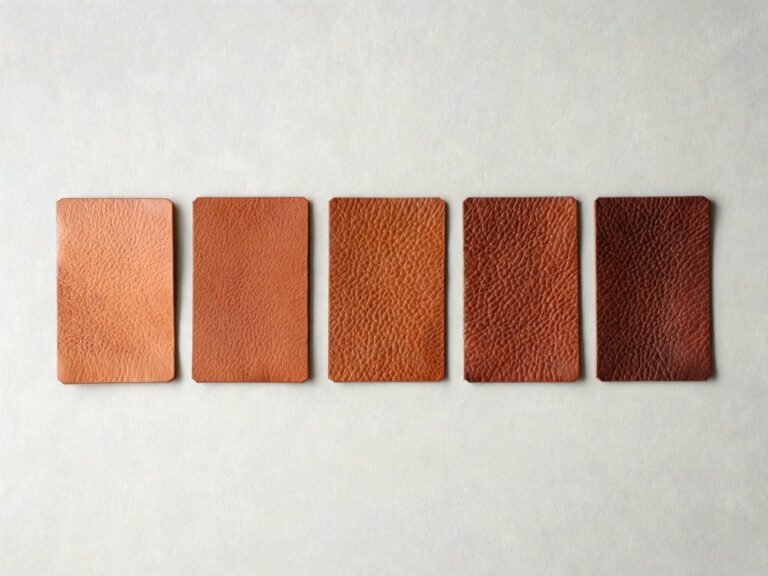
Warm brown and wine red rustic leather samples showing natural grain variation
The appeal is measurable. Interior designers report that spaces featuring rustic leather textures receive 30-40% higher “warmth” ratings in post-occupancy surveys compared to smooth synthetic surfaces. For B2B projects, this translates directly to perceived value — a hotel lobby with rustic leather seating commands higher room rate perception than the same space with standard upholstery.
But here’s the catch. Genuine rustic leather achieves its look through natural hide imperfections — scars, stretch marks, and grain variation that occur randomly in animal skin. That randomness is what makes each piece unique, but it’s also what makes specification inconsistent. You can’t guarantee two rolls will have the same “rustic” character. For brands requiring batch-to-batch consistency across multiple locations, that’s a specification problem.
The Hidden Cost of Genuine Distressed Hide in Commercial Settings
Let’s be honest about what happens to genuine rustic leather in commercial environments. The same natural properties that create the beautiful distressed look also create maintenance liabilities that most procurement teams don’t budget for.

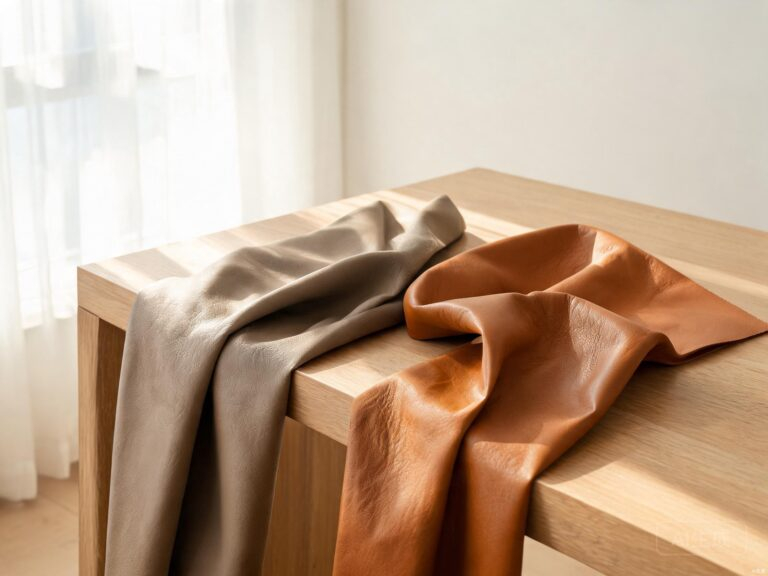
Mixed-tone leather sample hanger showing rustic color range options
Genuine rustic hide requires quarterly conditioning to prevent the natural oils from drying out. In hospitality environments with daily UV exposure from windows, the drying process accelerates — we’ve documented genuine rustic leather cracking at 18-24 months in south-facing hotel lobbies, even with regular maintenance. The conditioned surface also absorbs stains permanently: coffee, ink, and red wine that would wipe off a non-porous synthetic surface become permanent features of genuine hide.
| Property | Genuine Rustic Hide | Silicone Rustic Leather |
|---|---|---|
| UV stability | Cracks at 400 hrs | 1,000+ hrs, no change |
| Stain resistance | Absorbs permanently | Repels coffee, ink, wine |
| Maintenance frequency | Quarterly conditioning | Water wipe only |
| Batch consistency | Random natural variation | Delta E ≤ 1.0 |
| Commercial lifespan | 2–5 years | 10+ years |
| Conditioning needed | Yes, specialized products | None |
Designer’s reality check: That $80/m² genuine rustic hide needs $15/m²/year in conditioning products and labor. Over 5 years, maintenance adds 94% to the material cost — before counting replacement.
Rustic Leather Texture Replication: How Silicone Matches the Look
The breakthrough that makes silicone leather viable for rustic aesthetics is custom embossing technology. Modern embossing rollers can replicate any natural grain pattern — cowhide, buffalo, sheepskin, and even the random distressing that characterizes rustic leather. In our production process, we’ve developed over 100 texture options that match specific rustic leather aesthetics, from light lychee grain to heavy distressed pull-up.

Warm-tone classic leather swatches showing rustic color and texture options
Here’s what matters for B2B specifiers: the texture isn’t printed or painted on — it’s embossed into the silicone coating during the calendering process, meaning the grain pattern has physical depth. You can feel the grain. And because the texture is mechanically embossed rather than naturally occurring, every roll within a batch has consistent rustic character. That solves the batch-to-batch variation problem that plagues genuine hide sourcing.
Custom embossing rollers take 7-10 days to produce from a designer’s texture specification. Once created, the roller can be used across unlimited production runs — meaning a brand can develop a signature rustic texture and replicate it consistently across hundreds of locations. For silicone leather manufacturing, this is where design freedom meets production consistency.

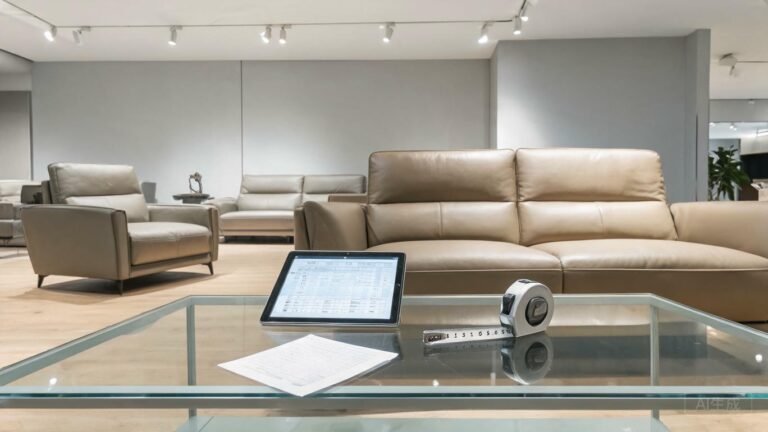
Residential sofa upholstered in warm rustic leather — the aesthetic silicone replicates
Where the Distressed Aesthetic Wins in Real Commercial Projects
Specification should be driven by the intersection of aesthetics and performance. Here’s where rustic silicone leather genuinely outperforms genuine hide in commercial applications.
Boutique hotels: The rustic aesthetic is perfect for lobby seating and lounge areas — but hotel lobbies have sun exposure, spills, and 24/7 traffic. Genuine rustic hide absorbs wine and coffee permanently; silicone rustic leather wipes clean with water. One of our hospitality clients specified rustic silicone leather for a 150-room boutique hotel’s lobby furniture. Three years in, the seating still looks identical to installation day — zero conditioning, zero stain damage, zero reupholstery.
Restaurant interiors: Rustic leather adds warmth to dining spaces, but food environments are brutal on genuine hide. Grease, sauces, and cleaning chemicals degrade natural leather within months. Silicone leather’s non-porous surface and chemical resistance make it ideal for commercial furniture applications where the rustic look must survive daily cleaning.
Retail environments: Premium retail brands use rustic leather for fixture upholstery and display elements. The warm aesthetic elevates perceived product value — but retail lighting generates UV that fades genuine hide. Silicone leather’s 1,000+ hour UV stability means the rustic color stays true for the full store lifecycle, not just the first season.
Specifying Rustic Leather: A Designer’s Checklist
When specifying rustic leather for a B2B project, verify these four points to ensure the aesthetic you approve in a sample book is the aesthetic that arrives in production.
1. Request physical texture samples, not digital renders. Rustic leather’s appeal is tactile. A screen image cannot convey grain depth or surface feel. Always require physical A4 swatches before approving a specification. Reputable suppliers provide these free of charge.
2. Verify color matching with Delta E data. Rustic leather’s warm tones can shift subtly between batches. Require Delta E ≤ 1.5 for rustic color matching — and ask for the test report, not a visual comparison. For cleaning and maintenance compatibility, also confirm the surface can withstand your facility’s standard disinfectants.
3. Check UV stability data for your lighting environment. Restaurant and retail environments often use intense display lighting that generates significant UV. Require ISO 105-B06 color fastness data at 1,000+ hours — not the standard 72-hour test that tells you nothing about real-world performance.
4. Confirm embossing roller availability for custom textures. If you’re specifying a unique rustic grain, confirm the supplier can create a custom embossing roller and ask for the lead time. Standard rollers take 7-10 days; complex patterns may take longer. For existing texture options, request the full leather textures buyer guide to review available options.
For industry standards on leather texture and performance testing, the ISO 5402 standard defines flex resistance testing methodology for coated fabrics.
Watch: Luxury furniture collection featuring rustic silicone leather textures
Frequently Asked Questions
Can silicone leather truly replicate the distressed texture of rustic hide?
Yes. Modern embossing technology creates physical grain depth in silicone leather that matches the tactile feel of genuine rustic hide. The key difference is consistency — silicone delivers the same distressed character across an entire roll, while genuine hide’s distressing is random and unpredictable. For B2B projects requiring multi-location consistency, this is actually an advantage.
Does rustic leather require special maintenance in commercial settings?
Genuine rustic hide requires quarterly conditioning with specialized leather products to prevent drying and cracking. Silicone rustic leather requires no conditioning — its surface is inherently stable and can be cleaned with water or standard disinfectants. The maintenance cost difference over a 5-year period is typically $15/m²/year for genuine hide versus $0 for silicone.
The Rustic Aesthetic, Engineered to Last
Rustic leather delivers a warmth and character that no other aesthetic can replicate. But the genuine hide version’s 2-5 year commercial lifespan and conditioning requirements make it a poor fit for the environments where that aesthetic is most valued — hospitality, retail, and commercial furniture. Silicone leather has closed the texture gap while eliminating the maintenance liability. For designers specifying rustic aesthetics in B2B projects, the question isn’t whether to go genuine or synthetic — it’s whether the material can deliver the look for the full project lifecycle.
View Rustic Leather Color Card
About TOPSUN
TOPSUN engineers custom rustic leather textures in silicone leather for B2B designers specifying warm, character-rich interiors across hospitality, furniture, and retail environments — delivering genuine-hide aesthetics with 10+ year commercial durability.
100+ embossed texture options including cowhide and distressed grain · Unlimited Pantone matching with Delta E ≤ 1.0 · 1,000+ hour UV stability · Free A4 textured swatches for design specification