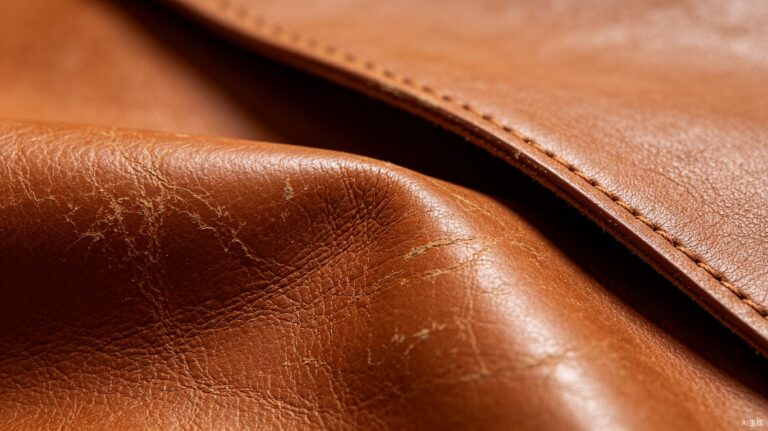
A restaurant group called us last spring about twelve booths. Their two-year-old PVC leather sheet upholstery had split along the seat seams. The vinyl surface still wiped clean, but the sheets had gone stiff and cracked at every flex point. The buyer had chosen on price per meter alone. We helped them re-spec the program with silicone-coated sheets, and the case became a lesson worth passing on: a PVC leather sheet is strong until the environment finds its limit.

What a PVC Leather Sheet Is Made Of
A PVC leather sheet starts as polyvinyl chloride resin blended with plasticizers, stabilizers, and pigments. Calendering or coating spreads that compound onto a textile backing, and an embossing roller presses in the grain. The plasticizers are the quiet variable. They make a rigid polymer feel like leather, and they decide how the sheet ages. Global demand reflects the value: the PVC leather market stood at 5.6 billion US dollars in 2025, with shoes, flooring, furniture, and vehicle upholstery as the main outlets.

Where PVC Leather Sheets Win: Abrasion, Water, and Price
PVC earns its share of the market on three strengths. First, abrasion resistance. High-specification PVC routinely passes 100,000 Martindale rubs, the best of any faux leather type, which is why transport seating and bar stools default to it. Second, sealing. The surface sheds water, stains, and most chemicals, so a wipe-down routine handles daily abuse. Third, price. Trade listings put furniture-grade PVC at roughly 2 US dollars per meter with modest minimums, well below microfiber or silicone options.
| Program | PVC Sheet Fit | Concern to Price In |
|---|---|---|
| Restaurant and bar seating | Excellent; high rub counts, easy cleaning | Flex points crack as plasticizers leave |
| Marine and outdoor covers | Good; waterproof surface | Cold crack and UV chalking over seasons |
| Children’s products and healthcare | Only with non-phthalate formulations | REACH and CPSIA restrict ortho-phthalates |
The Two Limits: Plasticizer Migration and Cold Crack
The booth case above traces back to one process. Plasticizers do not stay locked in the polymer. Heat, flexing, and time pull them toward the surface, where they leach away. The sheet loses softness, then cracks under stress, typically within three to five years of hard use. Cold accelerates the damage. When temperatures drop, migration stiffens the surface until it cracks at folds and seams.
Compliance adds a second limit. Restricted ortho-phthalates keep appearing in REACH and CPSIA audits across furniture supply chains. Ask any PVC supplier which plasticizer system they run, and demand the migration test data. If the answer is a brochure instead of a report, keep looking.
How to Spec a PVC Leather Sheet Program
Four lines cover most of the risk. Lock the gauge with a tolerance, not a nominal figure. Name the plasticizer system in the contract, and prefer non-phthalate grades. Match the fire certificate to the venue code, since contract seating often demands Crib 5. Tie the batch reference to your reorders so replacement panels match. For programs that face moisture, disinfection, or wide temperature swings, compare the spec against silicone versus PU chemistry before you commit, and request test panels from our samples center.

Frequently Asked Questions
Is a PVC leather sheet the same as a PU sheet? No. PVC uses polyvinyl chloride with plasticizers, while PU uses a polyurethane coating. PVC resists abrasion and water better; PU feels softer and drapes closer to real leather. The eco-friendly silicone leather overview adds a third option that avoids plasticizers entirely.
How long does a PVC leather sheet last? In dry, light-duty use, five to eight years. In seating with daily flexing, cracks usually appear within three to five years as plasticizers migrate out. Storage in heat or cold shortens that further.
Compare PVC and Silicone Sheet Samples
The Sheet Should Match the Service
A PVC leather sheet is the right answer when abrasion, water, and budget lead the spec, and the environment stays mild. It is the wrong answer wherever flex, heat, cold, or compliance pressure works on the material year after year. Price the replacement cycle, not just the meter, and the choice usually makes itself.