$4.30 per meter. That is the posted price of phthalate-free PVC sofa leather on a major sourcing platform. The minimum order is 50 meters. Add the lab numbers and the picture sharpens. Standard DOP-plasticized PVC loses 3.0 to 5.0 mg/cm² in migration tests. DOTP grades lose only 0.5 to 1.5 mg/cm². Outdoor importers live with a third number too.
Plasticized PVC typically yellows and turns brittle after two to three seasons in the sun. Together these three figures decide whether pvc artificial leather is a bargain or a claim waiting to happen.
Here is what the material does well, where it fails, and a judgment table you can apply per product line.
What PVC Artificial Leather Does Well Outdoors
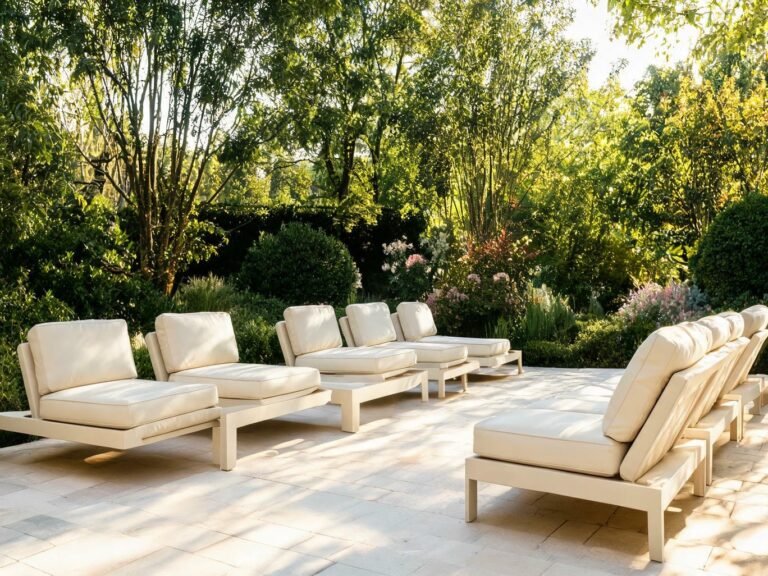
Start with the strengths, because they are real. PVC sheds water without any treatment, wipes clean with a damp cloth, and shrugs off mildew better than porous materials. Its non-porous surface also resists sunscreen stains, which makes it practical around pools and on boat seating. Price completes the case. At roughly $4.30 per meter for phthalate-free furniture grades, it undercuts microfiber and silicone alternatives. The margin is wide. For products with a planned two-season life, that math is hard to beat.

Water beading on the surface is the easy part. Aging is where PVC earns or loses its keep.
The Migration Problem That Ends the Season
The failure mode is chemical, and it has a name. Plasticizer keeps the PVC skin flexible by sitting between polymer chains. Heat and compression push it toward the surface over time, a process coatings specialists call plasticizer migration. The results are familiar. Upholstery turns sticky. Sunscreens and bag straps pull color. In cars, the escaping additives fog windshields. UV exposure then finishes the job by embrittling the plasticizer-starved skin.
Chemistry offers a partial fix. Under the standard ISO 177 test, DOTP-plasticized formulations lose 0.5 to 1.5 mg/cm². Old DOP grades lose 3.0 to 5.0 mg/cm². Asking suppliers which plasticizer their sheets use is therefore the highest-value question in this category. Even so, the improved grades only slow the clock. For programs beyond three outdoor seasons, buyers should compare a silicone leather introduction before locking the specification.

Marine and poolside programs punish migrated plasticizer faster than any lab bench.
Video: how silicone-based material holds color and flexibility through outdoor UV exposure.
Request Outdoor Material Samples
A Judgment Table for Outdoor Programs
Apply this table before your next container. The verdict column assumes phthalate-free construction and a documented plasticizer type:
| Program | Verdict | Why |
|---|---|---|
| Two-season promo furniture | PVC, confidently | Retires before migration shows |
| Covered patio seating | PVC with DOTP | Shade cuts heat load, slower migration |
| Full-sun poolside or marine | Silicone instead | No plasticizer to lose, stable for 10+ years |
| Child-contact outdoor items | Silicone instead | Additive-free surface, skin-safe certifications |
One line decides it. PVC artificial leather is the right call exactly as long as the product’s service life stays shorter than its migration clock. For everything past three seasons, read our eco-friendly silicone leather overview before you commit the container.
References
- Bastone Plastics, Plasticizers for PVC Synthetic Leather: https://bastone-plastics.com/plasticizers-for-p…
- Changxing Plastic, DOTP Plasticizer in Artificial Leather Complete Guide: https://www.changxing-plastic.com/blog/dotp-art…
- Made-in-China, Furniture Leather Product Listings 2026: https://www.made-in-china.com/new-products/furn…