On paper, PU material looks like the rational choice—40% cheaper than silicone leather, widely available, and visually indistinguishable from genuine leather at arm’s length. We’ve seen procurement teams sign off on PU material for 10,000-unit production runs based on unit price alone. Then the warranty claims arrive. Eighteen months later, the same teams are fielding complaints about cracking, peeling, and sticky residues on products that looked perfect at quality inspection.
The problem isn’t that PU material is bad—it’s that most buyers don’t know which specs determine whether it survives the application. Here are the six red flags to verify before you commit, and why they matter.
Download PU vs Silicone Spec Sheet
What Is PU Material in Leather Manufacturing
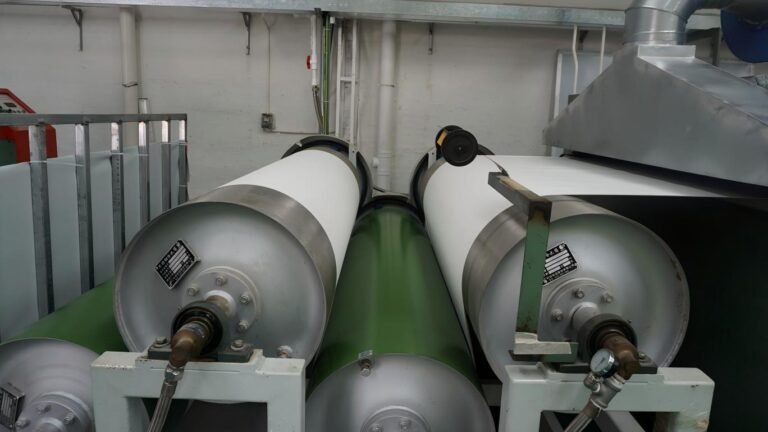
PU material in leather manufacturing refers to a polyurethane coating applied over a fabric substrate—typically woven polyester, cotton, or microfiber. The coating carries the color, texture, and embossed grain pattern that mimics genuine leather. The base fabric provides tensile strength and dimensional stability. Together, they create a synthetic leather that’s soft, flexible, and visually convincing.
The manufacturing process matters. Premium PU uses a wet coagulation method that creates a microporous structure, allowing the material to breathe and feel warm. Budget PU uses dry coating—cheaper, but with zero breathability and faster degradation. The distinction rarely appears on spec sheets, which is exactly where sourcing problems begin. For a broader comparison of how PU stacks up against other synthetics, see our silicone vs PU analysis.

Tensile strength tester used to evaluate PU material mechanical performance limits
6 Red Flags When Sourcing PU Material
If your supplier’s quotation omits any of these six data points, treat it as a red flag—not necessarily a dealbreaker, but a signal to dig deeper before signing the purchase order.
- No hydrolysis test data. PU material breaks down when exposed to moisture over time. If the supplier can’t provide ISO 11507 hydrolysis resistance results, assume the material will crack in humid environments within 2–3 years.
- VOC content above REACH thresholds. Solvent-based PU coatings emit volatile organic compounds. Request ISO 16000-6 VOC emission data. If it exceeds 50 mg/L, the material won’t pass European indoor air quality requirements.
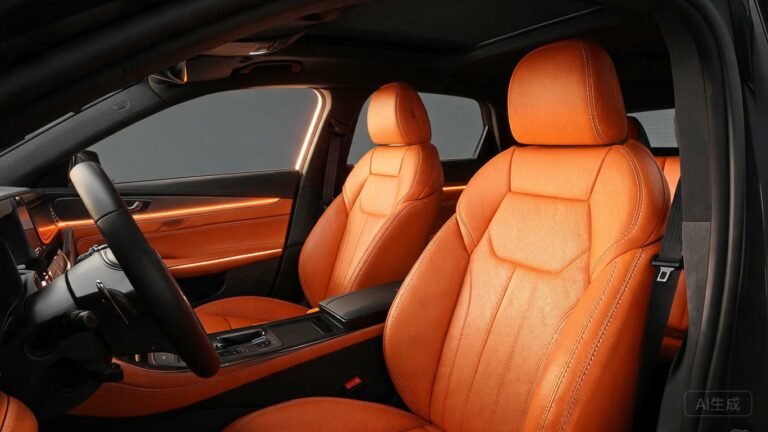
- Heat resistance below 80°C. PU material degrades above 60°C—it softens, deforms, and releases chemical odors. For automotive interiors or products exposed to direct sunlight, this is a warranty time bomb.
- Martindale below 50,000 cycles. Standard PU survives 20,000–50,000 abrasion cycles. Premium microfiber PU reaches 80,000. If the spec sheet doesn’t list Martindale data at all, expect premature surface wear.
- No UV stability data. Without ASTM G154 or ISO 105-B06 testing, there’s no way to predict color fading or surface cracking under sunlight exposure. UV degradation is the #1 failure mode for PU in outdoor and automotive applications.
- Missing coating adhesion specs. Peel strength below 1.5 N/cm means the PU coating will delaminate from the base fabric under flexing or cleaning. Demand ASTM or ISO 11644 adhesion test results.
| Failure Mode | PU Material Root Cause | Silicone Solution | Warranty Impact |
|---|---|---|---|
| Hydrolysis | Moisture breaks PU polymer bonds | Inherently moisture-proof | Eliminates cracking claims |
| UV Degradation | UV breaks down PU surface layer | UV-stable 1,000+ hours | Zero fading returns |
| Thermal Failure | Softens above 60°C | Stable to 250°C | No heat deformation |
| Delamination | Coating separates from base | Molecular bond, no separation | No peeling claims |
How PU Material Degrades in Real-World Conditions
Understanding the chemistry helps explain why PU material fails predictably. Polyurethane is a polymer chain held together by ester or ether bonds. In humid environments, water molecules attack these bonds through hydrolysis—slowly breaking the polymer chains into shorter fragments. The surface becomes sticky, then brittle, then cracks.
UV radiation accelerates the process by generating free radicals in the PU matrix, causing yellowing, chalking, and surface microcracking. Thermal cycling—repeated heating and cooling—stresses the bond between coating and substrate, leading to delamination. None of these failure modes are random. They’re well-documented PU material problems that follow predictable timelines based on environmental exposure.
In a 2024 durability audit we conducted for a furniture client, PU material samples from three different suppliers all showed surface microcracking within 18 months of simulated indoor use. The same test on silicone leather showed zero degradation at the 5-year mark.

Flex cracking tester simulating repeated bending stress on PU material samples
The Silicone Alternative: Eliminating PU Failure Modes
Silicone leather doesn’t just outperform PU material—it eliminates the failure mechanisms entirely. The silicone polymer backbone is built on Si-O bonds, which are inherently resistant to hydrolysis, UV radiation, and thermal degradation. No ester bonds to break, no free radicals to generate, no thermal softening point below 250°C.
The total cost of ownership math is straightforward. A 10,000-unit production run using PU material costs roughly $45,000 in material versus $85,000 for silicone leather. But PU’s 3–5 year service life means two full replacement cycles within a decade. Silicone leather’s 10+ year lifespan means zero replacements. Net savings by year 7, with no PU failure claims to process.
For applications where hydrolysis resistance is critical, our hydrolysis-proof silicone leather specifications provide the test data that PU suppliers can’t match.

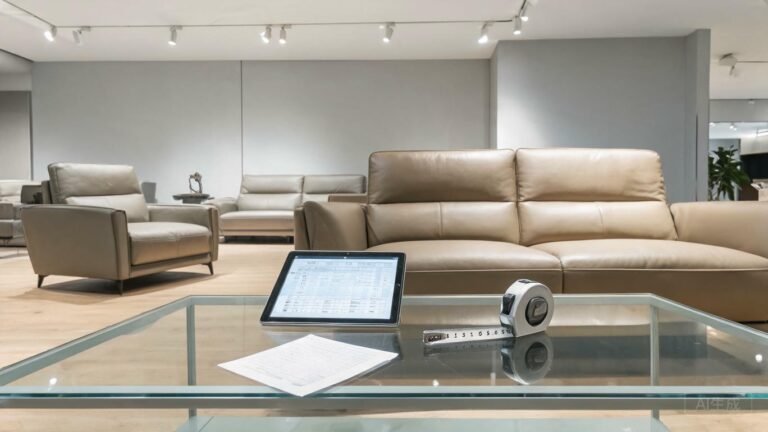
PU leather sofa upholstery—a common application where premature failure drives warranty costs
Side-by-side durability comparison: silicone leather vs PU material under identical stress conditions
Frequently Asked Questions
What temperature does PU material start to degrade?
PU material begins softening and releasing chemical odors above 60°C. In automotive interiors, dashboard surface temperatures can exceed 80°C in direct sunlight—well above PU’s threshold. Silicone leather remains stable up to 250°C with no deformation or off-gassing.
Is PU material safe for skin-contact applications?
Depends on the formulation. Solvent-based PU coatings may contain residual isocyanates and VOCs that cause skin irritation. B2B buyers should request ISO 10993 biocompatibility test results for skin-contact applications. Silicone leather is inherently biocompatible and ISO 10993-certified, making it the safer choice for medical, infant, and wearable applications. For a deeper comparison of full vs semi silicone options, see our full vs semi silicone guide.
Verify Before You Commit
PU material has legitimate applications—short-lifecycle products, budget price points, and low-stress environments. But for products expected to survive 5+ years under real-world conditions, the six red flags above are non-negotiable verification points. If your supplier can’t answer them with test data, you’re absorbing the risk of premature failure into your warranty budget. The brands that eliminate PU material failures don’t switch materials after the claims pile up—they verify specs before the purchase order.
Request Failure Analysis Samples
About TOPSUN
TOPSUN engineers silicone leather alternatives to PU material for automotive interiors, furniture upholstery, and consumer electronics applications where coating failure is not an option. Our silicone chemistry eliminates hydrolysis, UV degradation, and thermal failure at the molecular level.
Zero VOC emissions · 200K+ Martindale cycles · Hydrolysis-proof coating · -40°C to 250°C operating range · ISO 10993 biocompatibility certified · Free A4 swatches shipped worldwide via DHL/FedEx