The phone accessory market is more competitive than ever, and the material you choose for your phone cases can make or break your brand’s positioning. Whether you’re sourcing for a luxury phone case line or developing designer phone case material for a new collection, the right premium phone case material signals quality before a customer even touches the product. But what actually makes a material “premium”? And how do silicone-based options stack up against traditional leather and PU alternatives? This guide breaks down the key materials, performance benchmarks, and sourcing criteria that matter most to B2B buyers in 2025.
What Defines a Premium Phone Case Material?
A premium phone cover isn’t just about looking good on a retail shelf. The materials that earn the “premium” label share several traits: they feel substantial in hand, resist daily wear without degrading, and maintain their aesthetic appeal over months of use. For manufacturers, premium also means consistency — every batch must meet the same quality standard, whether you’re producing 1,000 or 100,000 units.
In our experience working with phone case manufacturers, the most common pain point isn’t finding a material that looks good initially. It’s finding one that still looks good after six months of pocket friction, UV exposure, and temperature swings. That’s where cheaper PU coatings fail — they crack, peel, or develop an unpleasant stickiness that kills the premium feel. High-end phone case materials must survive the real world, not just the showroom.

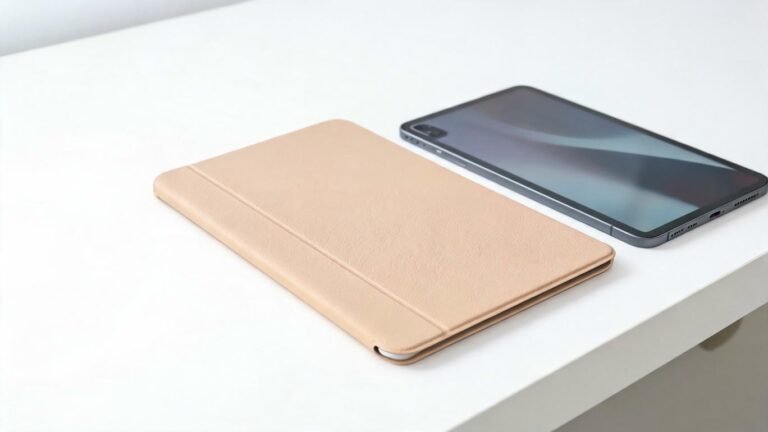
Lychee-texture silicone leather — a popular choice for designer phone case material
Silicone Leather: The Rising Star in Phone Case Manufacturing
Phone case leather has traditionally meant genuine animal hide or PU-based synthetic leather. But silicone-coated fabrics are rapidly gaining traction among manufacturers who want the tactile appeal of leather without its drawbacks. Unlike PU, silicone leather doesn’t rely on plasticizers that migrate and degrade over time. The silicone coating forms a stable, inert surface that resists UV yellowing, maintains flexibility in extreme temperatures, and won’t develop that telltale sticky residue.
For a silicone leather phone case, the material typically consists of a fabric substrate — often microfiber or polyester — bonded with a silicone elastomer coating. This construction gives you the structural integrity of textile plus the soft-touch, skin-friendly surface that consumers associate with premium products. The result is a material that passes scratch tests, cleanability tests, and aging tests that would cause standard PU to fail.
One of our clients, a mid-sized phone accessory brand, switched from PU leather to silicone leather for their flagship wallet case line. After six months on the market, their return rate for material-related defects dropped by over 60% — primarily because the silicone surface didn’t peel or discolor like the PU it replaced. The upfront cost per meter was higher, but the reduced returns and improved reviews more than offset the difference.

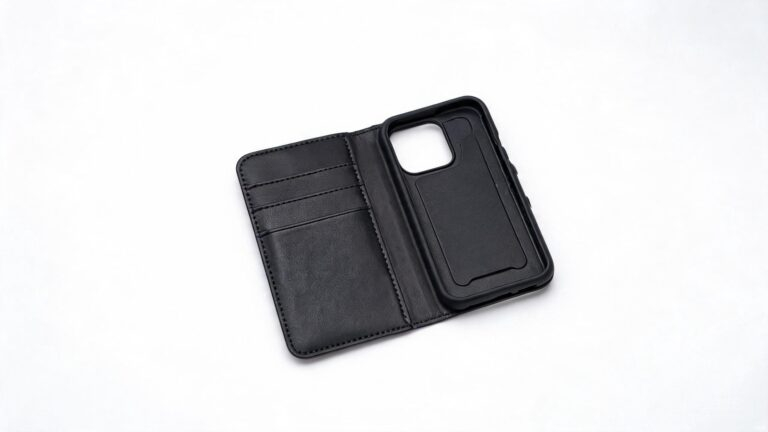
Scratch resistance testing — critical for phone case manufacturing material evaluation
How Top Materials Compare: A Practical Breakdown
When evaluating phone case manufacturing material, B2B buyers need to weigh multiple factors simultaneously. Here’s how the three most common premium options compare across the dimensions that matter most for production decisions:
| Property | Silicone Leather | PU Leather | Genuine Leather |
|---|---|---|---|
| UV Resistance | Excellent — no yellowing | Poor — yellows over time | Moderate — fades without treatment |
| Scratch Resistance | High | Low to moderate | Moderate (varies by grade) |
| Cleanability | Wipe-clean, alcohol-safe | Stains penetrate surface | Requires conditioning |
| Aging Behavior | Stable, no peeling | Cracks and peels | Develops patina (pro/con) |
| Cost per Meter | Mid-to-high | Low | High |
| Eco Profile | VOC-free, recyclable | Contains solvents | Animal-derived |
The pattern is clear: silicone leather occupies a sweet spot between PU’s affordability and genuine leather’s prestige. It delivers the durability and tactile quality that justify a premium price point, without the ethical concerns or batch inconsistency associated with animal hide. You can explore a deeper comparison of silicone vs PU leather to understand the chemistry behind these differences.
See how silicone leather performs in 3C electronics applications
Sourcing Considerations for Phone Case Manufacturers
Finding the right material supplier involves more than requesting a swatch and checking the price. Here are the factors we recommend evaluating before committing to a phone case material vendor:
- Thickness options: Phone cases demand thin, precise material — typically 0.6mm to 1.2mm. Your supplier must offer consistent thickness tolerances across rolls.
- Texture availability: From smooth nappa to pebbled lychee, texture directly affects perceived value. Check whether the supplier offers custom texture design for brand differentiation.
- Color matching: Brand-specific colors require Pantone-matched batches. Ask about minimum order quantities for custom colors.
- Certification documentation: REACH, RoHS, and FDA compliance matter if you’re exporting to the EU or US. Request current test reports, not expired ones.
- Sample consistency: The sample you approve must match production runs. Always request a production-level sample before placing a bulk order.

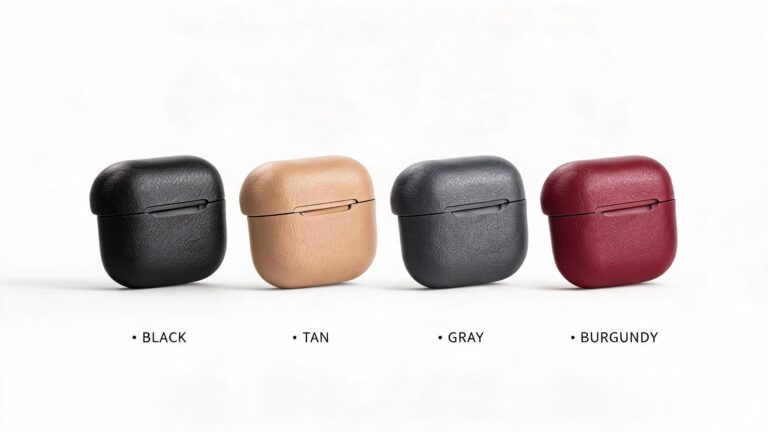
Full-color swatch rack — essential for matching brand-specific phone case colors
If you’re developing products for the 3C accessories market, also consider how the material handles secondary processing — embossing, laser engraving, and edge bonding all behave differently depending on the coating chemistry. Silicone leather bonds well with common adhesives and accepts laser engraving cleanly, which gives manufacturers more design flexibility.
Key takeaway: The total cost of a premium phone case material isn’t just the per-meter price. Factor in defect rates, return costs, warranty claims, and brand reputation. A material that costs 20% more upfront but halves your return rate is the better business decision.
Making the Right Material Choice for Your Brand
There’s no single “best” premium phone case material — there’s only the best fit for your specific product, price point, and brand identity. If you’re positioning at the absolute luxury tier, genuine leather still carries heritage appeal. But for brands targeting the growing “accessible premium” segment — where consumers expect luxury feel without the luxury price tag or ethical baggage — silicone leather is increasingly the material of choice.
The market signals support this shift. Consumers are asking harder questions about what their products are made of, and sustainability claims are under more scrutiny than ever. A material that’s VOC-free, hypoallergenic, and doesn’t degrade into microplastics gives your brand a story that resonates — especially with younger demographics. You can learn more about the broader category in our overview of silicone leather for 3C electronics.
Ultimately, selecting a premium phone case material comes down to balancing three things: how it feels in the hand, how it performs over time, and how it aligns with your brand narrative. Get all three right, and the material becomes a selling point rather than just a component.
About TOPSUN
TOPSUN is a specialized manufacturer of organic silicone leather, serving B2B clients across automotive, furniture, 3C electronics, and consumer goods industries. Our silicone leather is produced on dedicated coating lines with full quality control — from raw material inspection to finished roll testing.
Relevant certifications: REACH compliant, RoHS compliant, ISO 9001 certified. Custom color matching, texture design, and thickness specification available for phone case applications.