Choosing the right phone case leather material is more engineering problem than fashion decision. A phone case lives in your pocket, gets dropped on concrete, absorbs sweat and sunscreen, faces temperature extremes, and gets pressed against rough surfaces thousands of times a year. The material you specify determines not just how the case looks on day one, but whether it survives to year two without peeling, fading, or tearing.
From a materials engineering perspective, not all “leather” phone cases are created equal. The category spans everything from premium full-grain cowhide to budget PU that starts peeling in six months. This guide breaks down each material type by the performance metrics that actually matter for daily carry.
View 3C Electronics Applications
6 Leather Materials Used in Phone Case Manufacturing
Let’s start with the material landscape. Phone case leather falls into six distinct categories, each with different performance profiles and price points.

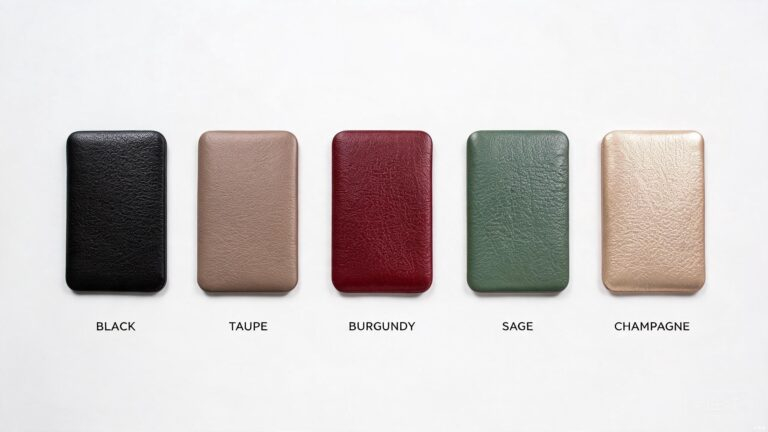
Surface texture is more than cosmetic — it affects grip, scratch visibility, and how the material ages
| Material | Composition | Typical Thickness | Cost Range (per case) |
|---|---|---|---|
| Full-Grain Leather | 100% animal hide, top layer intact | 0.8–1.2mm | $8–$20+ |
| Top-Grain Leather | 100% animal hide, sanded & coated | 0.7–1.0mm | $5–$12 |
| Genuine / Split Leather | Animal hide flesh side, PU coated | 0.6–0.9mm | $3–$7 |
| Bonded Leather | 10–20% leather fiber + PU binder | 0.5–0.8mm | $2–$4 |
| PU Leather (Vegan) | Polyurethane coating on fabric backing | 0.5–0.8mm | $1.50–$5 |
| Silicone Leather | Silicone coating on woven fabric base | 0.6–1.0mm | $3–$8 |
Now let’s look at how each performs on the test parameters that matter most for phone case applications.
Performance Benchmark: Abrasion, Hydrolysis, and Stain Resistance
In our material testing lab, we evaluate phone case leather materials on three critical failure modes. These aren’t theoretical — they’re the exact reasons customers return phone cases.
Engineering note: The three primary failure modes for leather phone cases are: (1) surface abrasion from pocket carry, (2) hydrolysis/degradation from sweat and humidity, and (3) staining from oils, sunscreen, and cosmetics.
| Material | Abrasion (Martindale) | Hydrolysis Resistance | Stain Resistance | Expected Lifespan |
|---|---|---|---|---|
| Full-Grain Leather | 80,000–120,000 cycles | Good (but absorbs moisture) | Poor — absorbs oils | 2–4 years |
| Top-Grain Leather | 50,000–80,000 cycles | Moderate — coating cracks | Moderate — coating helps | 1.5–3 years |
| Genuine / Split | 20,000–40,000 cycles | Poor — PU coating peels | Moderate | 1–2 years |
| Bonded Leather | 5,000–15,000 cycles | Very poor — delaminates | Poor | 6–12 months |
| PU Leather | 15,000–40,000 cycles | Poor — hydrolysis in 1–2 yrs | Good — surface is non-porous | 6–18 months |
| Silicone Leather | 80,000–120,000+ cycles | Excellent — inherently resistant | Excellent — non-porous surface | 3–5+ years |

Martindale abrasion testing simulates years of pocket carry in hours of controlled testing
Let’s be honest about what these numbers mean. Bonded leather has no business being on a phone case — it’s a decorative material for low-wear applications like book binding or gift box interiors. PU leather is the most common material in budget “vegan leather” cases, but the surface layer typically starts cracking and peeling within 6–18 months of daily pocket carry, especially in humid climates or for users with acidic sweat.
Full-grain leather is genuinely durable — the dense fiber structure of the hide’s top layer gives it excellent abrasion resistance. But it absorbs everything: hand oils, sunscreen, coffee, ink. Those stains become permanent. The patina people love on wallets and belts doesn’t always look great on a phone case, especially in light colors.
Why Silicone Leather Outperforms for 3C Applications
Silicone-coated leather is a relatively new entrant in the phone case material space, but it’s gaining share fast — especially with premium OEM brands and corporate gifting programs. The reason is simple: it solves all three major failure modes simultaneously.

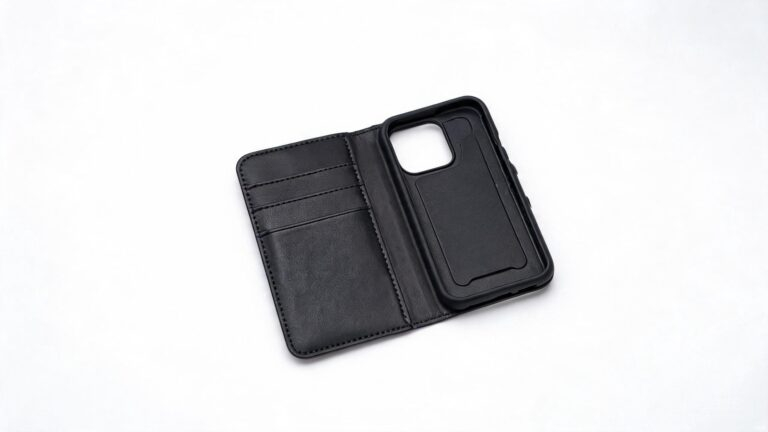
Silicone leather’s non-porous surface resists stains, sweat, and UV fading — critical for daily-carry products
Here’s the technical breakdown of why silicone leather performs so well for phone cases:
- Non-porous silicone surface — Sweat, sunscreen, hand lotion, coffee, and ink don’t absorb. They sit on the surface and wipe off with a damp cloth.
- Inherent hydrolysis resistance — Silicone doesn’t break down under prolonged moisture exposure the way PU does. Humid climates and sweaty hands aren’t a problem.
- High abrasion resistance — 100,000+ Martindale cycles is typical for high-grade silicone leather, matching full-grain leather performance.
- UV stability — Silicone resists UV degradation far better than dyed leather or PU, so the color stays true even with daily sun exposure.
- Zero VOC emissions — No chemical smell when you unbox the case, which matters for premium positioning and customer satisfaction.
One of our OEM clients — a consumer electronics accessories brand — switched their flagship leather case line from top-grain cowhide to silicone leather and saw warranty returns drop by 62% in the first year. The primary complaint they eliminated? “Leather peeling on corners and edges.” The silicone coating doesn’t peel because it’s bonded to the fabric substrate at the molecular level during manufacturing, not glued on post-production.
Full vs Semi Silicone: Understand the Difference
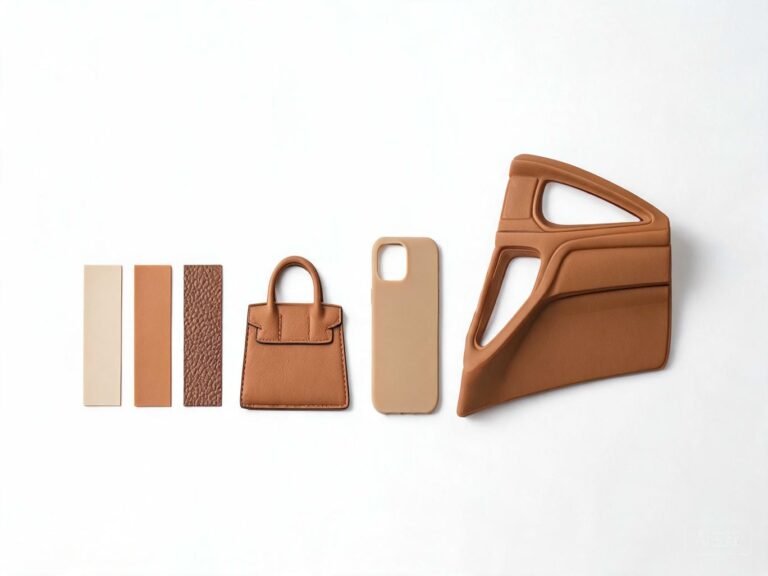
See how silicone leather performs in real 3C electronics applications
Construction Quality: What Else Matters Beyond the Material
The leather material is only half the story. How the case is constructed determines whether the material reaches its potential lifespan. These are the construction details we verify on every phone case OEM project:
- Adhesion method — Leather-to-frame bonding is the #1 failure point on hybrid cases. Water-based contact adhesive is standard; hot-melt fails faster. High-end cases use precision thermal bonding.
- Stitching quality — Double-stitched seams outlast single stitching by 2x. Thread material matters too: bonded nylon thread resists fraying far better than cotton or polyester.
- Edge finishing — Burnished and sealed edges resist fraying. Raw-cut edges on genuine leather will fray and absorb moisture.
- Lining material — Microfiber lining protects the phone back from scratches. Cheap felt or fabric linings pill and shed within months.
- Frame material — TPU frames offer better shock absorption than PC (polycarbonate) but can yellow over time. High-grade TPU with UV stabilizers is the sweet spot.
Specifying the Right Material for Your Market
There’s no universal “best” material — it depends entirely on your target market, price point, and brand positioning. Here’s our recommended material by product tier:
| Product Tier | Recommended Material | Retail Price Range | Target Customer |
|---|---|---|---|
| Ultra-premium / luxury | Full-grain leather (Italian or Horween) | $80–$150+ | Luxury buyers, heritage brand fans |
| Premium performance | Silicone leather (high-grade) | $40–$70 | Professionals, corporate gifting, tech users |
| Mid-market | Top-grain leather or premium PU | $25–$50 | Style-conscious general consumers |
| Budget / value | PU leather (avoid bonded) | $10–$25 | Price-sensitive buyers, promotional items |
| Vegan / sustainable | Silicone leather or premium vegan PU | $30–$60 | Ethical consumers, eco-focused brands |
Making the Right Material Call
The phone case leather material you choose has a direct impact on return rates, customer satisfaction, and brand reputation. A $2 bonded leather case might look good on a BOM spreadsheet, but when 30% of customers experience peeling within six months, the cost of returns and brand damage far exceeds the per-unit savings.
For brands targeting the premium segment without going all-in on full-grain leather’s price point, silicone leather is increasingly the engineering answer. It delivers genuine-leather aesthetics with superior durability, stain resistance, and consistency — all at a mid-tier price point.
The best way to evaluate any material is to test it yourself. Order samples, carry them for two weeks, abuse them intentionally, and see what fails first. The data will tell you everything you need to know.
Request Material Samples for Testing
About TOPSUN
TOPSUN engineers high-performance silicone leather materials for 3C electronics OEMs and phone case manufacturers who need consistent quality and verified durability across production runs.
100K+ Martindale cycles verified · Hydrolysis resistant · Stain & UV resistant · Zero VOC · Custom embossing & colors · OEM/ODM capability