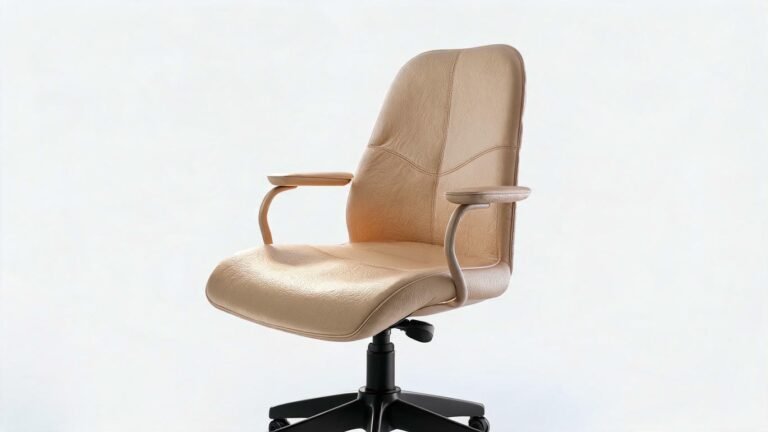
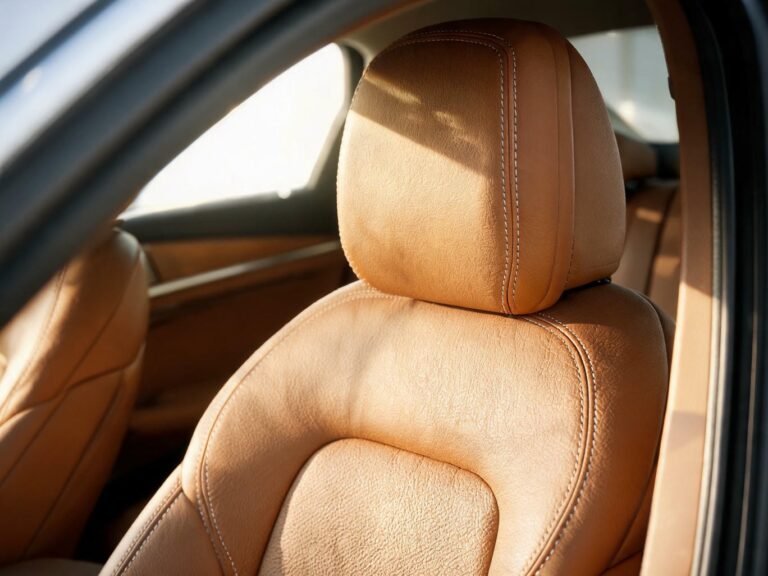
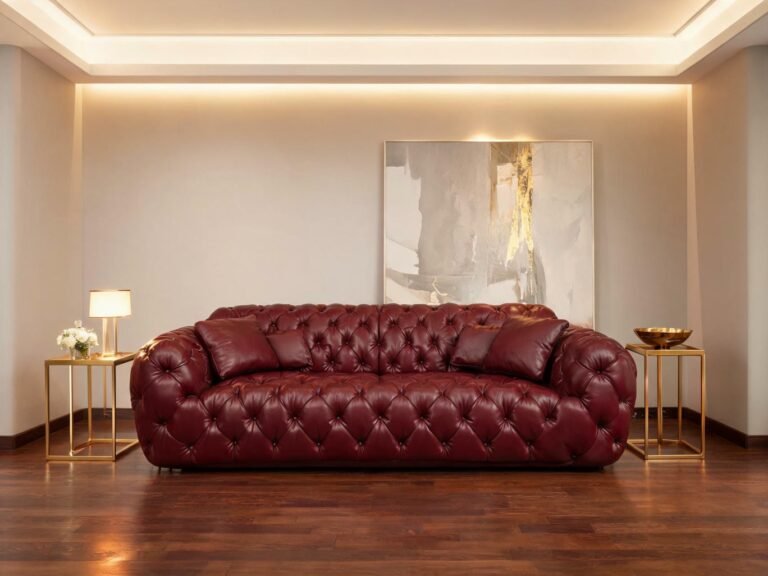
The leather inside a luxury vehicle is one of the most tactilely intimate products most people ever own. Drivers and passengers spend thousands of hours in direct skin contact with luxury car seat leather, feeling its grain under their palms, its temperature against their backs, and its response to body movement. Yet the leather market for automotive interiors is far more complex than most buyers realize—ranging from genuine Nappa hides costing $100+ per seat set to advanced synthetic alternatives that deliver equivalent luxury feel at a fraction of the environmental and maintenance cost.
Request Automotive Leather Material Samples
The Three Tiers of Luxury Automotive Leather
| Property | Full-Grain Nappa | Semi-Aniline | Performance Synthetic |
|---|---|---|---|
| Source | Animal hide (top grain) | Animal hide (corrected grain) | Silicone/PU polymer |
| Hand Feel | Exceptionally soft, natural | Soft with slight coating | Premium synthetic softness |
| Durability | Good (requires conditioning) | Very good | Excellent (200,000+ cycles) |
| Maintenance | Regular conditioning required | Occasional conditioning | Wipe-clean only |
| UV Resistance | Moderate (fades) | Good (pigment-coated) | Excellent (1,500+ hrs) |
| Cost (per seat set) | $100-250+ | $60-120 | $30-60 |
Each tier serves different positioning within the luxury vehicle market. Full-grain Nappa leather remains the gold standard for ultra-luxury brands—Rolls-Royce, Bentley, and Mercedes-Maybach—where the natural character of animal hide, with its subtle variations and organic grain, is part of the brand narrative. Semi-aniline leather occupies the mainstream luxury segment (BMW, Audi, Lexus), offering a balance between natural leather feel and enhanced durability through surface coatings. Performance synthetics—particularly silicone leather—are gaining acceptance across all luxury segments as sustainability concerns reshape buyer expectations.
Why Luxury Buyers Are Rethinking Genuine Leather
The luxury car seat leather conversation is shifting. A decade ago, genuine leather was an unchallenged symbol of automotive luxury. Today, three converging forces are changing that equation. First, the sustainability narrative has made animal-derived materials a liability rather than an asset for eco-conscious luxury buyers. Second, the durability gap between genuine and synthetic leather has widened—modern synthetics now outperform genuine leather on abrasion, UV resistance, and stain resistance by significant margins. Third, the maintenance burden of genuine leather (conditioning every 3-6 months, immediate stain treatment, sun protection) conflicts with the “effortless luxury” that modern luxury consumers expect.
BMW’s decision to eliminate genuine leather from its new models—including replacing Nappa leather steering wheels—illustrates how far this shift has progressed. The company’s new Sensafin material reduces CO2 emissions by approximately 85% compared to equivalent leather production. For buyers who previously wouldn’t consider a luxury vehicle without genuine leather, the quality of modern synthetic alternatives has eliminated the performance compromise that once justified the premium for animal hides.
Silicone Leather as a Luxury Performance Alternative
Silicone leather occupies the premium tier of synthetic automotive upholstery, offering hand-feel and visual quality that approaches genuine Nappa while delivering performance characteristics that genuine leather cannot match. The material’s silicone-based surface provides a soft, warm tactile experience that’s closest to Nappa among all synthetics—but without the maintenance requirements, UV sensitivity, or staining vulnerability that limit genuine leather’s practical performance.
For OEMs sourcing automotive interior materials, silicone leather offers measurable advantages across the key evaluation criteria. Its Martindale abrasion rating exceeds 200,000 cycles—double that of premium semi-aniline leather. UV resistance of 1,500+ hours eliminates the fading and cracking that affects sun-exposed genuine leather seats. And its non-porous surface prevents the body oil staining that creates dark patches on Nappa leather seats within 12-18 months of ownership—precisely the kind of deterioration that undermines the luxury ownership experience.
Silicone leather for luxury automotive interiors—premium feel, superior performance

Practical Ownership: What Luxury Car Buyers Actually Experience
Here’s what most luxury car buyers don’t learn until after purchase: genuine Nappa leather seats require active maintenance to maintain their appearance. Without regular conditioning (every 3-4 months with specialized leather conditioner), the hide dries out, develops surface cracks, and loses its signature softness. Spills must be treated immediately—coffee, wine, and oil will permanently stain unprotected Nappa within minutes. Sun exposure through windows and sunroofs accelerates fading and surface degradation.
Silicone leather eliminates these ownership burdens entirely. No conditioning is ever required—the material maintains its softness and suppleness through its entire 10+ year lifespan. Spills of any kind—coffee, wine, food, sunscreen—wipe away instantly without leaving marks. UV exposure produces no fading or degradation, even in vehicles with panoramic glass roofs. For vegan car interior leather buyers, silicone leather delivers the luxury experience without the maintenance guilt.

OEM Trend: Global automotive vegan leather market is projected to reach $4.07 billion by 2031 (4.0% CAGR), driven by luxury EV brands eliminating genuine leather. BMW, Tesla, Polestar, and several Chinese EV manufacturers have adopted fully vegan interior strategies. Silicone leather, with 42% of total market demand coming from automotive interiors, is the fastest-growing segment within synthetic automotive leather.

Frequently Asked Questions
Can silicone leather truly match Nappa leather quality for luxury vehicles?
Premium silicone leather closely replicates Nappa’s soft hand-feel and natural grain appearance. While leather purists may detect subtle differences in a direct side-by-side comparison, most luxury car buyers in blind touch tests cannot distinguish silicone leather from genuine Nappa. The key advantage: silicone leather maintains this premium quality for 10+ years without maintenance, while Nappa’s quality degrades without regular conditioning.
What’s the cost difference between silicone and Nappa leather for car seats?
Silicone leather typically costs 50-70% less than full-grain Nappa per seat set. For a luxury vehicle with 5 seats plus door panels and dashboard trim, the material savings can reach $300-800 per vehicle. When factoring in eliminated maintenance costs and longer replacement intervals, silicone leather’s total cost advantage over a 10-year ownership period is even more significant.
Does silicone leather work with heated and ventilated seat systems?
Yes. Silicone leather tolerates temperatures from -40°C to 250°C without degradation, making it fully compatible with heated seat systems (typically 35-42°C surface temperature) and ventilated cooling seats. The material’s non-porous structure also resists moisture absorption, which actually improves ventilated seat performance by allowing more effective air circulation through perforated zones.
Selecting the Right Luxury Car Seat Leather
The luxury car seat leather decision ultimately depends on what the brand and buyer value most. Full-grain Nappa remains the choice for buyers who prioritize natural character and traditional luxury signaling above all else. Semi-aniline leather offers a practical middle ground for buyers who want genuine leather with enhanced durability. Performance synthetic leather—particularly silicone leather—delivers the best combination of luxury feel, long-term durability, sustainability credentials, and zero maintenance, making it the fastest-growing choice among both OEMs and discerning buyers.
For OEM procurement teams and Tier-1 suppliers evaluating material strategies, silicone leather offers proven automotive-grade performance with FMVSS 302, EN 13773, and VDA 277 compliance. Request TDS documents and physical sample rolls to evaluate fitment for your luxury vehicle interior program.
Download Luxury Automotive TDS
About TOPSUN
TOPSUN is an automotive-grade silicone leather manufacturer supplying luxury vehicle OEMs and Tier-1 suppliers worldwide. With near-zero VOC production, FMVSS 302 and EN 13773 compliance, and 500,000 meters monthly capacity, we deliver premium synthetic leather for seats, dashboards, door panels, and steering wheels.
Automotive Certifications: FMVSS 302, EN 13773, FAR 25.853, VDA 277, REACH, PAHs, California Prop 65.