A hotel client once ordered hides for thirty club chairs. The quote covered 2,100 square feet for what their own pattern required as 1,450. Where did 650 square feet go? Into bellies, necks, brand marks, and the irregular outline of every hide. That project changed how we quote seating programs. We now steer upholstery buyers toward leather sheets for upholstery cut from continuous rolls. Their next program came in 18% under the old material budget.
This article shows the yield math, the thickness specs, and the panel-planning logic that make sheet format the leaner choice.

Every panel on this sofa was planned around material yield, not hide shape.
Why Hides Waste 30% at the Cutting Table
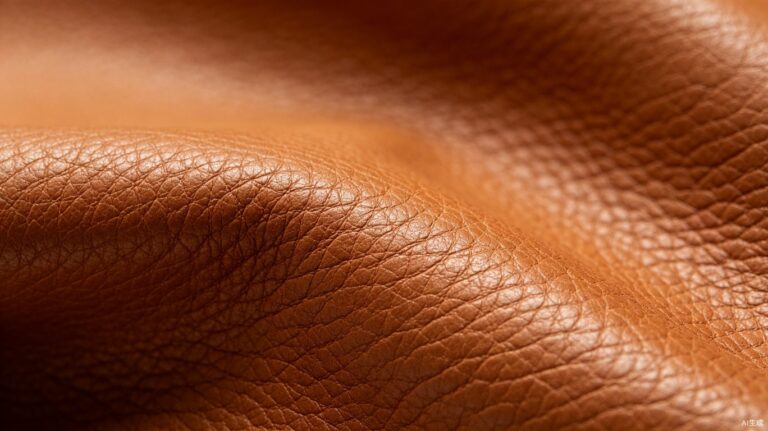
Furniture factories report that even the best hide-based cutting operations reach about 70% yield. Thirty percent of the material never lands on the chair. Cowhide is an irregular shape. Its edges carry narrow necks, floppy bellies, and natural marks that no upholsterer wants on a seat face.
The industry conversion formula bakes the waste in: one linear yard of 54-inch fabric equals 18 square feet of leather. Six 24-inch seat cushions need just 24 net square feet. Yet a cutting plan typically consumes a full 50-square-foot hide to produce them. Yield loss is not a rounding error. It is a third of the invoice.
How Leather Sheets for Upholstery Change the Yield Math
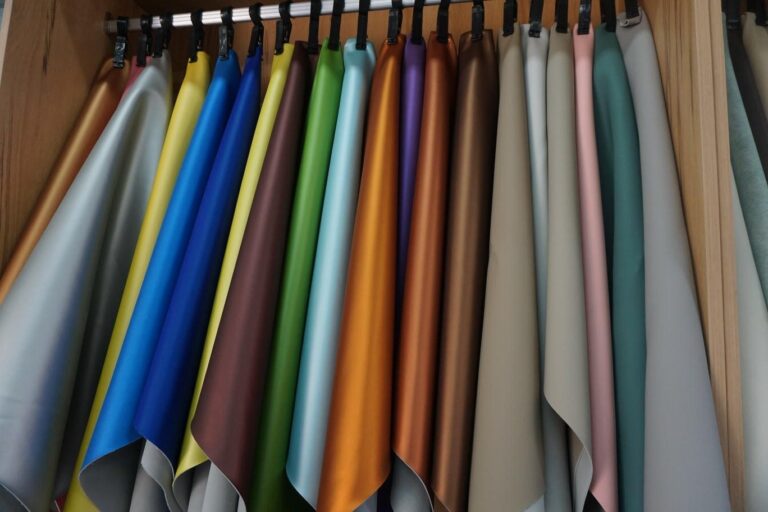
Roll-format leather sheets for upholstery remove the two biggest waste drivers at once: shape and inconsistency. A roll presents a uniform sheet at a set width. Panels nest like fabric cutting instead of fighting an animal’s outline. Roll-to-roll consistency means the same thickness and color arrive on every yard. That kills the match-lot problem hides create between cushions and bodies.
On that hotel program, we switched the second order of thirty chairs from hides to roll-cut sheets. Measured yield rose from 68% to 91%. The offcut pile shrank to strips we could reuse on piping and headboards. For buyers comparing materials, our silicone leather material basics page explains how coated sheets deliver this geometry without seams or grain variance.

Slitting lines turn 1,400 mm rolls into sheet sizes that match your cutting pattern.
Request Upholstery Sheet Samples
Choosing Leather Sheet Thickness for Upholstery
Thickness decides whether a seat feels plush or sags by spring. Our range runs from 0.23 to 3.0 mm across collections, which covers every seating application we meet:
| Application | Recommended thickness | Collection note |
|---|---|---|
| Cushions and decorative panels | 0.23-0.8 mm | Ultra Thin, 360° bending |
| Domestic sofas and armchairs | 0.8-1.4 mm | Classic Collection |
| Contract and hospitality seating | 1.4-2.0 mm | High Performance, Martindale 200,000+ |
| Rigid panels and headboards | 1.0-3.0 mm | Rigid Substrate, 35+ N tear |
Match the grade to the abuse, not the brochure. A dining chair used two hours a day survives happily at 0.8 mm. A hotel lobby bench needs the High Performance build. Our furniture and sofa applications page maps those choices in detail. Buyers wanting a thinner, softer hand can also consider our microfiber silicone leather option for premium seating lines.

A quick fold test on the sheet tells you more about drape than any spec table.
Thickness options compared on camera, from cushion-grade to contract-grade builds.
Cut the Waste, Not the Corners
Hides had a good run, but the cutting table exposes their cost. Roll-format leather sheets for upholstery turn a 30% waste line item into a rounding error. They deliver the same thickness on every panel. Specify the sheet, and the material budget finally matches the pattern.
References
1. https://www.keleenleathers.com/blog/ — best cutting yield in furniture factories is around 70%, with 30% waste from hide shape and natural marks
2. https://www.cortinaleathers.com/resources/hide-… — 1 linear yard of 54″ fabric = 18 sq ft of leather; six 24-inch cushions require a full 50 sq ft hide