The global leather goods market reached $499.57 billion in 2024 and is projected to hit $855.36 billion by 2032 (Go4WorldBusiness, 2024). But if you’re sourcing leather made products for B2B applications today, market growth isn’t your challenge — compliance is. Three regulatory shifts in 2026 will determine what you can actually specify, and six specs will decide whether your supply contract survives the next audit. Here’s what to verify before you sign.
View Application-Specific Material Guide
What Leather Made Products Must Clear in 2026
Leather made products span automotive interiors, furniture upholstery, medical equipment covers, fashion accessories, and consumer electronics — each category faces tightening chemical restrictions. The EU’s PFHxA restriction under Commission Regulation (EU) 2024/2462 bans leather goods, textiles, and footwear containing more than 25 ppb of PFHxA from 10 October 2026 (EUR-Lex, 2024).

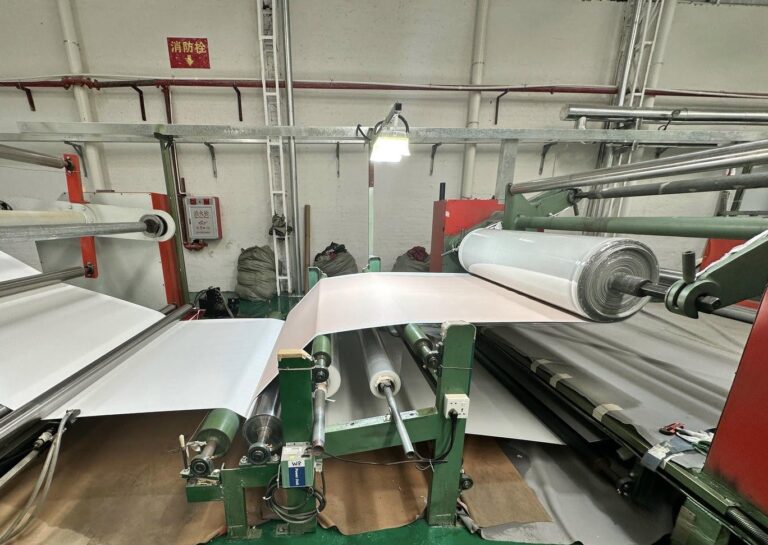
Finished leather rolls being slit to specification on the production floor
In our testing of supplier samples over the past year, PFAS-coated leather frequently exceeds this threshold. The water-repellent finish — the very feature suppliers market as “stain resistant” — is the primary PFAS source. Switching to inherently hydrophobic materials like silicone leather, which requires no PFAS coating to achieve water resistance, eliminates this compliance pathway entirely.
3 Regulations Reshaping Leather Made Products Sourcing
Three regulatory shifts will reshape what leather made products you can bring to market. Understanding the difference between them is critical — one has been lifted, one is brand new, and one keeps expanding:
- PFHxA restriction (EU, effective 10 Oct 2026): 25 ppb limit on textiles, leather, furs, and footwear. Applies the moment a qualifying product enters EU customs — no factory address exemption.
- EUDR update (July 2026): The EU Commission removed cattle hides, skins, and leather from EUDR scope. Regulatory mandate is lifted, but buyer traceability expectations remain firmly in place.
- REACH SVHC expansion: 235+ substances on the candidate list, with growing scrutiny on phthalates and flame retardant additives common in PVC and PU leather formulations.

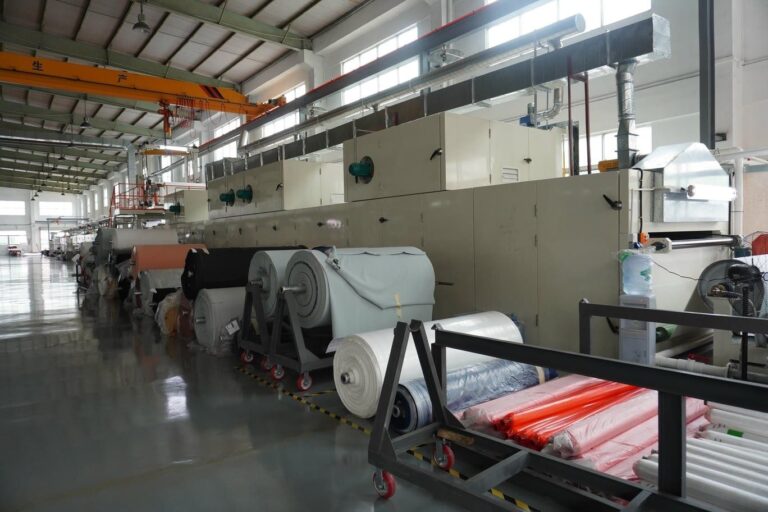
Finished leather rolls packaged for B2B export shipment
The EUDR removal doesn’t mean you can ignore traceability — it means the burden shifts from regulatory compliance to voluntary supply chain auditing. Smart buyers still require chain-of-custody documentation; they just no longer face mandatory EUDR reporting for leather specifically.
6 Specs to Verify Before You Sign
Before committing to a leather supply contract, verify these six compliance items — each tied to a specific, auditable test method:
- PFAS test report: Method EPA 1633 or equivalent, covering all 40 PFAS compounds. If the supplier cannot produce this report, walk away.
- REACH SVHC compliance: Full declaration covering all 235+ substances on the candidate list — not just the top 10.
- Chrome VI content: Below 3 mg/kg per ISO 17075-1. Critical for any leather sourced from chrome-tanned supply chains.
- VOC emission data: Per EN 717-1 chamber method or ISO 16000-9. Automotive interiors face the strictest limits under VDA 278.
- Physical durability: Martindale abrasion ≥ 100,000 cycles for upholstery applications. Verify the actual test report number, not just the marketing claim.
- Biocompatibility certification: ISO 10993-5:2009 cytotoxicity testing for any medical or food-contact leather made products.

Leather packaging products require the same compliance verification as upholstery applications
Most suppliers will provide a generic compliance certificate. That’s not enough. You need the actual test report with method, lab accreditation, and lot number — anything less is a marketing claim, not compliance documentation.
See how TOPSUN verifies export compliance certifications for leather made products
Compliance Decision: Which Leather Fits Your Application?
| If Your Leather Made Products Target… | Then You Must Verify… | Recommended Material |
|---|---|---|
| EU market entry | PFAS (EPA 1633) + REACH SVHC full declaration | PFAS-free silicone leather |
| Medical / food-contact | ISO 10993-5 cytotoxicity + FDA food-grade | Silicone leather (ISO 10993 certified) |
| Automotive interiors | FMVSS 302 / FAR 25.853 + VOC (VDA 278) | Inherently FR silicone leather |
| Budget-constrained but compliance-driven | All of the above simultaneously | Silicone leather (clears PFAS, REACH, Cr VI by chemistry) |
Request Compliance Documentation
About TOPSUN
TOPSUN manufactures solvent-free silicone leather for B2B buyers who need leather made products that clear PFAS, REACH SVHC, and chrome VI compliance by material chemistry — not by additive reformulation.
ISO 10993-5 biocompatibility certified | EN 13773 Class 4 flame retardancy | REACH compliant | Zero VOC production verified through SGS and Intertek testing