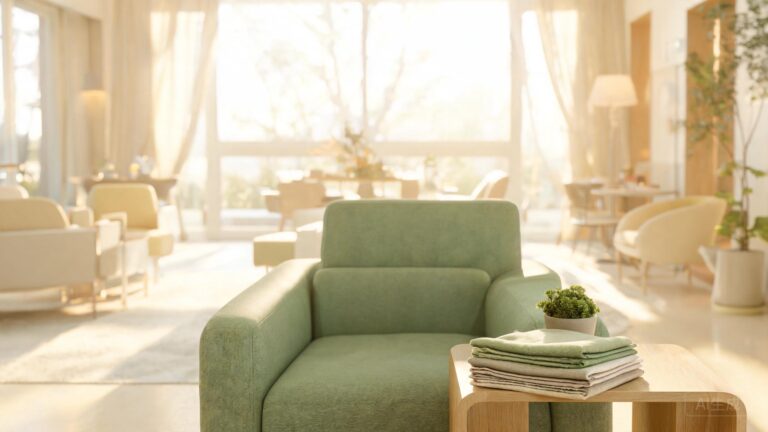
A restaurant owner told us her booth seats aged two different ways. The smooth chairs by the window dulled and scuffed within a year. The lychee grain booths in the back still looked new after three. Same building, same customers, same cleaning crew. The difference was the leather fabric texture under everyone’s hands.
I work in a coating workshop, and I spend my days sliding sample rolls across the table for buyers to touch. Most decide in seconds. This short guide explains what their hands already know, and how to pick a texture that stays pleasant through daily use.
What Leather Fabric Texture Does to Daily Touch
Texture is geometry you can feel. Lychee grain presses rounded, pebble-like bumps into the surface, and light breaks across them from every angle. Buyers call that depth premium before they can explain why. The pattern also works for you over time. Raised grain hides small scratches inside its shadows, so daily wear sinks into the surface instead of sitting on it. Steel-plate embossing makes the pattern uniform, which is why the effect survives years of cleaning rather than flattening out.

Depth in the grain is what light and fingertips both read as quality.
Lychee Grain vs Silk Finish in Daily Use
Grainy and smooth finishes serve different rooms. Lychee grain is the workhorse. Trade texture guides rank it the most practical surface for daily-use products because it resists scratches and shrugs off constant handling. Smooth silk finishes read as refined and calm, and they suit low-contact pieces where a clean look matters more than armor. Suede-style nap feels soft and luxurious, but it mats and stains under heavy contact, so treat it as an accent choice, never for booth seating or a family sofa. For the coating science behind both surfaces, our silicone leather introduction explains how the surface layer is formed.

Smooth silk finish: quiet, refined, best away from hard contact.
Choosing a Leather Fabric Texture You Can Clean
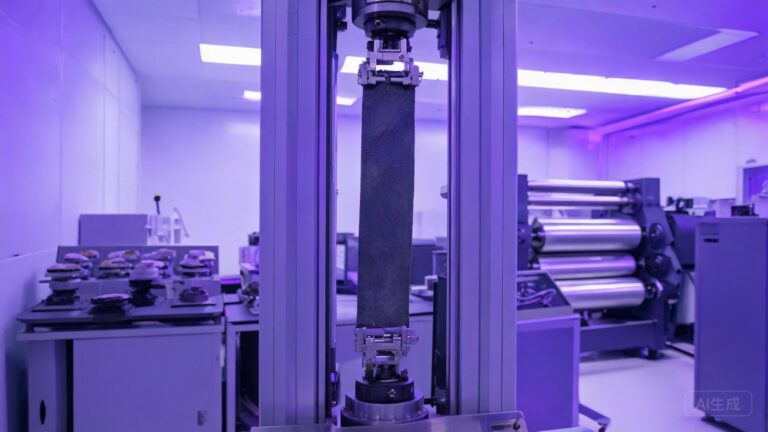
Maintenance is where texture earns or loses your trust. A well-finished embossed surface cleans with a damp cloth and needs no conditioning routine. Our silicone-coated textures go further. Stain resistance is rated level 5, alcohol-safe disinfection is standard, and the grain is formed by release paper, so it stays consistent from roll to roll. Fold a sample and watch the recovery. Good grain springs back; a poor one creases and stays creased. For approved products and schedules, the cleaning and maintenance guide lists what is safe to use.

The fold test: quality grain recovers, weak grain remembers the crease.

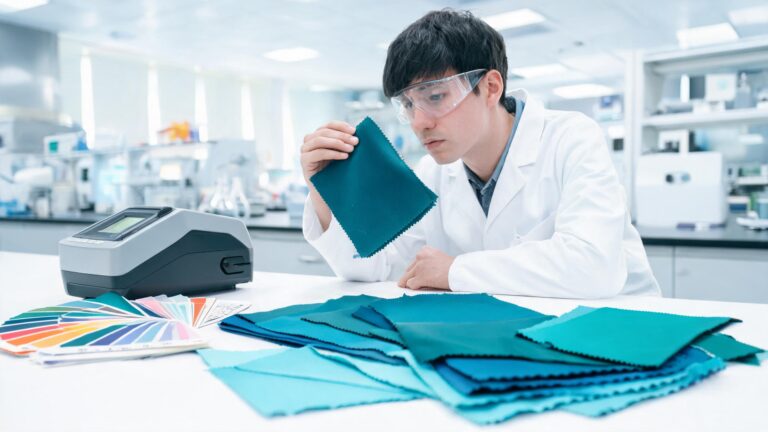
Color changes, the grain logic does not.
Release paper textures: how each grain pattern is formed.
Touch decides the sale, but texture decides the years after it. Pick grain where hands and wear are heavy. Pick silk where calm surfaces lead. Always fold a sample before you order. The leather fabric texture you choose is the one detail every customer feels, on every visit, for the life of the product. Furniture buyers can see both finishes applied side by side in our furniture and sofa applications.
Ask Which Texture Fits Your Application
Order Texture Swatches to Compare in Hand
References
- https://smart.dhgate.com/lychee-pattern-leather… — Lychee grain reads as premium in hand and hides small scratches better than smooth finishes.
- https://soltonleather.com/leather-materials/ — Texture guide ranking litchi grain most practical for daily use; suede better reserved for accents.
- https://www.babylonleather.com/products/5-sq-ft… — Embossed lychee grain conceals scratches and wipes clean with a damp cloth, no conditioning needed.