Picture a customer eight months in. The flap of her favorite crossbody has gone tacky, then flaked, right where her thumb rests every day. She posts a photo and tags the brand. The comment section fills with “same here.” That single post costs more than any material upgrade ever will. High quality vegan leather bags are not defined by price point or marketing copy. They are defined by specs that survive daily abuse.
This article lays out the market context first. Then it details the six specs that predict longevity and the construction choices that separate premium from peel-prone stock.
What the Market Pays For in High Quality Vegan Leather Bags
The numbers explain why bag brands keep moving upmarket. Analysts value the global vegan leather market at $12.6 billion in 2026. It is projected to reach $26.8 billion by 2033, an 11.4% CAGR. Within that growth, premium vegan leather is the fastest-expanding segment, with industry estimates putting its 2026 year-over-year growth near 35%.
Shoppers are not buying chemistry. They are buying the promise that the bag looks new next year. That promise is either engineered into the material or it does not exist. Brands that treat material spec as a design decision, not a purchasing afterthought, win the long game. Their customers post photos at year three instead of complaint threads at month eight.

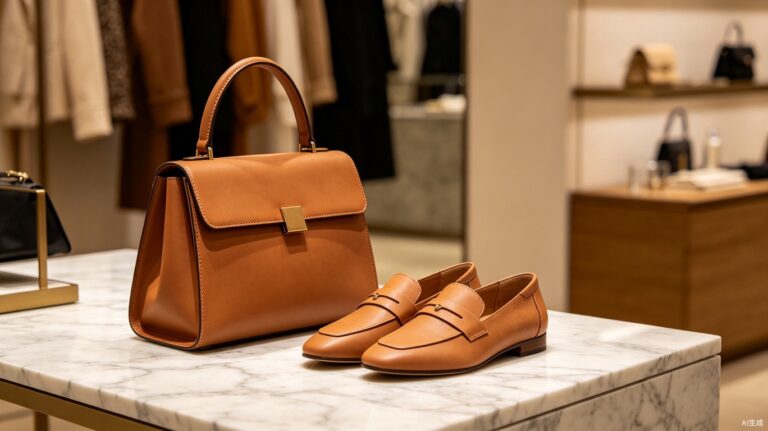
Premium perception starts at the material: consistent grain, clean edges, stable color.
The Six Specs Behind High Quality Vegan Leather Bags
Buyers who want vegan leather bags that don’t peel should write six numbers into the spec sheet. Do it before any sample request:
- Abrasion cycles: bag-grade material should clear thousands of Martindale cycles without visible wear. Our bag-collection material is rated well past 100,000 cycles, an order of magnitude above the common threshold.
- Peel strength: coating-to-substrate adhesion, tested per ISO 2411. Flaking starts where adhesion fails.
- Flex endurance: flaps and gussets bend thousands of times a month. Ask for Bally flex data, not just tensile numbers.
- Color fastness: denim transfer and light exposure ruin perceived quality fastest. Grade 4-5 keeps handles and strap contact points clean.
- UV stability: 1,000 hours should pass with minimal fade; our material is verified past 1,500 hours.
- Cold crack: winter deliveries crack cheap coating. Confirm performance at -40°C for shipping and storage.
We test every one of these on site before a bag material ships. In one coffee-spill and denim-rub program for a handbag client, our silicone-based sheet came through clean. No stain residue, no dye transfer, even after repeated cycles. That result, not the swatch photo, is what kept their return rate flat through two seasons.
Microfiber vs PU: Choosing the Bag Construction
Construction matters as much as chemistry. Standard PU on a woven backing is the budget workhorse. It is soft, printable, and fine for seasonal fashion lines with short life cycles. Microfiber vegan leather bags sit a tier higher. The microfiber substrate is denser and more leather-like. Edges burnish cleanly, hardware stitching holds, and the hand feels closer to calfskin.
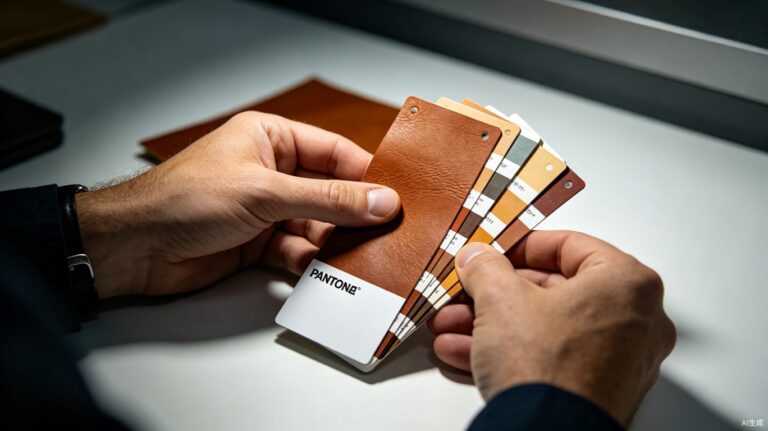
For structured bags and anything with exposed edges, we recommend our silicone microfiber leather for bags. It carries the durability numbers above while accepting embossed textures and custom Pantone colors. Seasonal printed totes can stay on lighter constructions. Our fashion and accessories applications page shows how the two tiers split by use case.

Scratch and scuff testing simulates what a daily-carry bag endures by month six.
Customization Without Compromise
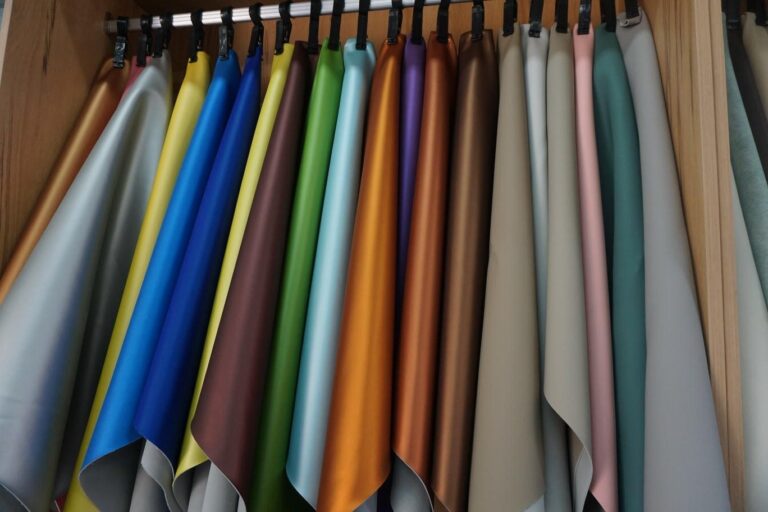
Premium bag programs live and die on exclusivity. The material partner needs to deliver brand-specific color, texture, and finish without weakening the spec underneath. Our library holds 100+ embossed textures with Pantone and RAL matching, applied to the same certified base constructions. Eco positioning can ride along too. Brands citing our eco-friendly silicone leather credentials get a solvent-free, plasticizer-free story that survives an audit.
The judgment table below is how we map bag lines to material builds:
| If your bag line needs | Specify | Why |
|---|---|---|
| Daily-carry totes and crossbodies | Microfiber silicone, 0.8-1.0 mm | Abrasion plus flex endurance |
| Structured luxury silhouettes | Designer Collection, 1.0-1.4 mm | Premium textures, clean edge burnish |
| Printed seasonal capsules | Custom printing on Classic base | Fast tooling, Pantone accuracy |
| Eco-positioned collections | Near-zero VOC silicone sheet | Solvent-free, audit-ready claims |

Color development for bag programs: same base spec, Pantone-matched across the run.
Microfiber silicone for bag programs: the hand-feel and durability test on camera.
Build the Spec Before the Sample
The vegan leather market keeps growing, but customer patience does not. High quality vegan leather bags earn repeat buyers because six numbers were written down before production started. Every roll honored them. Write the spec first. Then ask your material partner to prove it, roll by roll.
About TOPSUN
TOPSUN develops silicone leather for bag and accessories brands that need vegan credentials with premium durability. Color, texture, and thickness are engineered per program.
100+ embossed textures, Pantone/RAL custom matching, in-house abrasion and flex testing, and custom OEM/ODM support from swatch to shipment.
References
1. https://www.grandviewresearch.com/industry-anal… — vegan leather market $12.6B (2026) to $26.8B (2033), CAGR 11.4%; APAC 48.8% share (2025)
2. https://chinahandbagfactory.com/eu/2026-real-le… — premium vegan leather is the fastest-growing handbag segment, with about 35% YoY growth estimated for 2026