A well-designed headboard transforms a bedroom — it’s the focal point that sets the tone for the entire space. But headboard leather upholstery faces a unique combination of demands that few other furniture applications encounter. It needs to look luxurious enough for a five-star hotel lobby, feel comfortable when guests lean against it to read, resist the oils from skin and hair products, and maintain its appearance through years of use without cracking, fading, or developing unsightly shine patches.
We’ve supplied headboard leather upholstery material for both residential furniture manufacturers and hospitality fit-out projects. The performance patterns are consistent across both markets. Here’s what we’ve learned about which materials deliver the combination of aesthetics and durability that headboard applications demand.
Request Headboard Material Samples
The Dual Demands of Headboard Upholstery: Aesthetics Meets Performance
Unlike a sofa seat where durability is the primary concern, or a decorative wall panel where appearance is everything, a headboard sits at the intersection of both. It’s a visual statement piece that also serves a functional purpose — people lean against it, rest their heads on it, and expect it to feel as good as it looks.

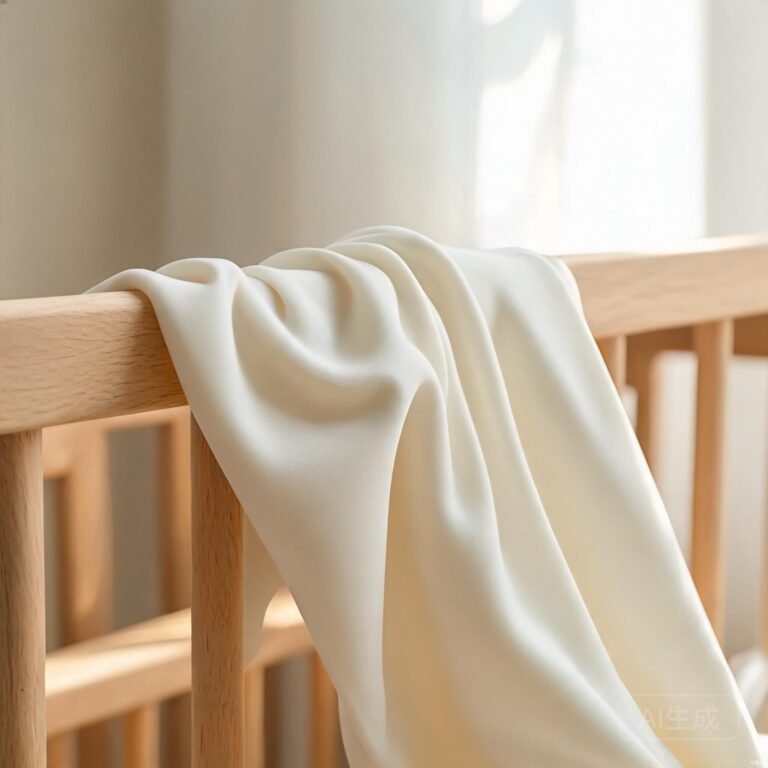
Silk texture leather — the surface quality of headboard material directly impacts bedroom aesthetics
This dual demand narrows the material options significantly. Fabric headboards look soft but stain easily and are difficult to clean. Genuine leather looks premium but requires maintenance and can feel cold against skin. PU leather offers the look at a lower price but degrades visibly within 2–3 years. The material needs to deliver on four fronts simultaneously: visual appeal, tactile comfort, stain resistance, and long-term appearance retention.
How to Choose Headboard Leather Upholstery Material That Performs
When selecting headboard leather upholstery material, the evaluation criteria differ from seating applications. Here are the factors that matter most for headboard performance, based on feedback from furniture manufacturers and hospitality procurement teams.
Surface hand feel. A headboard is the surface you rest against before sleep. It needs to feel warm and soft against skin — not cold and plasticky like vinyl, not rough like untreated fabric. Silicone leather delivers a naturally warm, soft-touch surface that’s comfortable in both warm and cool bedroom environments.
Stain resistance from body oils and hair products. Headboards encounter a unique contamination profile: facial oils, hair styling products, moisturizers, and occasionally makeup transfer. These substances contain lipids and chemicals that can stain or degrade some materials over time. A headboard material needs to resist these specific contaminants without absorbing them or developing discolored patches.

Soft leather fold display — headboard materials need to balance visual richness with tactile comfort
Formability for tufted and padded designs. Many headboard designs feature tufting, channel stitching, or geometric padding. The material needs to form cleanly around these shapes without cracking at fold lines or developing unwanted creases. Silicone leather’s flexibility and elastic recovery make it well-suited for these complex forming operations — it holds the shaped position without stress marks.
Design insight: We’ve worked with several hotel FF&E designers who chose silicone leather specifically for its ability to hold deep button tufting without the coating cracking at stress points — a common failure with PU leather on intricate headboard designs.
Silicone vs PU Leather for Headboards: Performance Data from Hotel Installations
Hotel installations provide the most rigorous real-world test for headboard materials — high guest turnover, commercial cleaning protocols, and the expectation that the property maintains a premium appearance year after year. Here’s what we’ve observed across multiple hotel projects.
| Performance Factor | Silicone Leather | PU Leather | Fabric |
|---|---|---|---|
| Oil/Stain Resistance | Wipes clean — no absorption | Gradual absorption, dark spots | Absorbs quickly, needs professional cleaning |
| Appearance at 2 Years | Like new | Peeling at edges, shine patches | Stained, needs replacement or deep clean |
| Cleaning Between Guests | Damp cloth, 30 seconds | Mild cleaner, avoid soaking | Vacuum + spot treatment |
| Tufting Compatibility | Excellent — no cracking at folds | Cracking at stress points after 12+ months | Good but stains in crevices |

Hotel bedroom upholstery — premium headboard materials must withstand commercial cleaning and heavy guest turnover
The cleaning efficiency difference is significant for hotel operations. Housekeeping teams need to turn rooms over quickly — a headboard material that can be wiped down with a damp cloth in 30 seconds saves meaningful labor time across hundreds of rooms. One hotel group we supply reported a 25% reduction in room turnover time for headboard cleaning after switching from fabric to silicone leather.
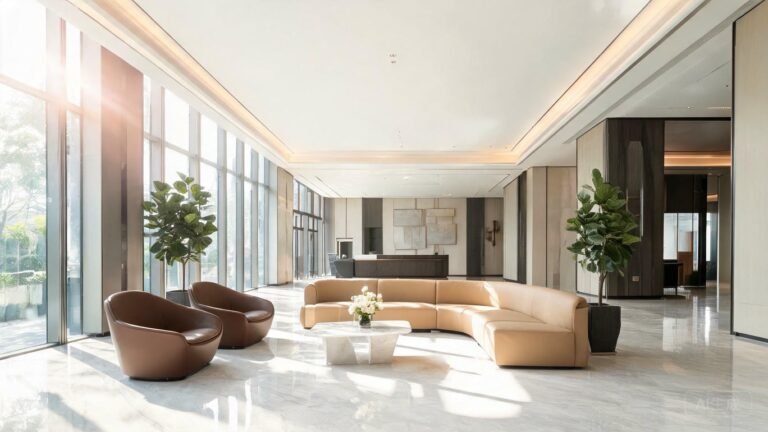
How silicone leather is used in hotel decoration — from headboards to wall panels and lobby furniture.
Design Options: Colors, Textures, and Patterns for Leather Headboards
Headboard design has evolved well beyond the traditional tufted brown leather panel. Today’s designers are using leather textures and colors to create statement pieces that define the entire bedroom aesthetic. Here are the design directions gaining the most traction.
Neutral earth tones. Warm taupe, soft greige, and muted terracotta are replacing stark black and white in headboard design. These tones create a calming bedroom atmosphere while hiding minor marks better than pure white or pure black. Silicone leather’s custom color matching capability allows designers to hit exact Pantone references for brand-consistent hotel rooms.

Warm-tone leather layers — earth tones are trending in headboard design for their calming bedroom aesthetic
Geometric channel designs. Instead of traditional button tufting, designers are moving toward vertical or diagonal channel stitching that creates clean geometric lines. Silicone leather forms beautifully into channels without cracking, and the elastic recovery ensures the material stays taut between stitch lines without sagging.
Full-wall leather panels. The trend of extending the headboard material across the entire wall behind the bed is growing in luxury hospitality. This application demands large-format material with consistent color and texture across multiple panels — another area where silicone leather’s batch consistency provides a real advantage over natural materials.
Maintaining Leather Headboards: Keeping the Premium Appearance
One of the practical advantages of silicone leather for headboards is the minimal maintenance required. Unlike genuine leather that needs periodic conditioning, or fabric that needs professional cleaning, silicone leather maintains its appearance with basic care.
For residential headboards, a monthly wipe with a damp microfiber cloth removes accumulated oils and dust. For commercial hospitality settings, daily wiping between guest check-outs with a mild detergent solution keeps the headboard looking fresh. No conditioning, no special products, no professional cleaning services needed. The maintenance process is straightforward and inexpensive.
Cost comparison: A hotel chain we work with calculated that their fabric headboards cost $45 per room per year in professional cleaning. After switching to silicone leather, headboard maintenance costs dropped to under $5 per room per year — just the labor time for housekeeping to wipe down the surface.
Creating Headboards That Balance Luxury and Practicality
The best headboard designs don’t force a choice between aesthetics and performance — they deliver both. Silicone leather has emerged as the material that makes this possible, offering the premium look and feel of leather with a durability and maintenance profile that works in real-world conditions, from family homes to five-star hotels.
Whether you’re designing a residential collection or specifying for a hospitality project, the material choice for headboard leather upholstery sets the trajectory for both customer satisfaction and long-term maintenance costs. Request samples in your target colors and textures, test them in your actual design context, and let the material’s performance speak for itself.
About TOPSUN
TOPSUN supplies silicone leather for headboard and wall panel applications in both residential furniture and commercial hospitality projects — combining premium visual aesthetics with practical durability that withstands daily contact and commercial cleaning.
Capabilities include custom color and texture matching, soft-touch surface finishes, excellent formability for tufted and channel designs, and 500,000m monthly production capacity for large-scale fit-out projects.