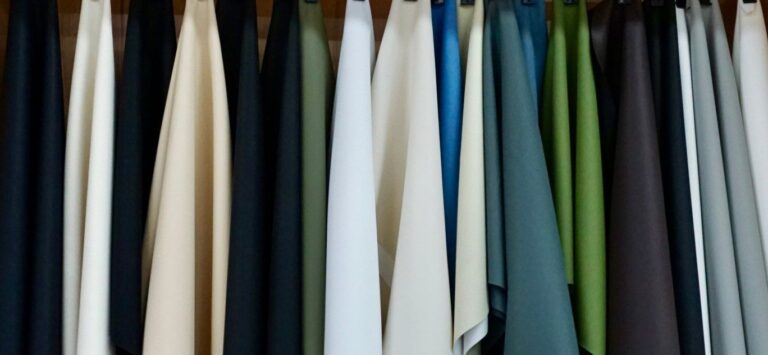
The sample card is on the table, and marketing wants one line printed under the color code: green material. Legal asks what the word proves. Nobody answers yet. That silence is exactly what European regulators started pricing in 2026.
This article follows that meeting to its resolution: which proofs turn the word into a defensible claim, and which versions of it now carry a fine.
The Word ‘Green’ Now Carries a Regulatory Price
European rulemakers put the generic claims themselves on the banned list. A label suggesting excellent environmental performance, including words like eco-friendly and green, needs recognized proof behind it. The European Parliament’s own research puts it bluntly: 50 percent of company environmental claims are misleading. Enforcement now includes exclusion from public procurement and a fine of at least 4 percent of annual turnover.
The verification clock matters too. Claims must pass accredited verifiers before publication, assessed within 30 days. Data older than five years cannot support an improvement claim. A green material line printed without this groundwork is no longer a marketing risk. It is a compliance event with a price tag.
Four Proofs That Support a Green Material Claim
The lifecycle frame comes first. EN 15804 and ISO 14044 split a product’s life into defined stages. They run from raw extraction (A1) through manufacturing (A2-A3), transport, installation, use, and end of life. A defensible green material claim points at specific stages with numbers, not at the whole life with adjectives.
Emissions and certification come next. Indoor air programs such as SCS Indoor Advantage test VOC emissions against CA 01350 and BIFMA methods, and the results qualify for LEED v4.1 credits. Building materials alone drive 10 to 20 percent of a building’s lifecycle emissions. That share is why buyers ask for stage-level data rather than slogans.

Green-wrapped finished rolls in the warehouse. The wrap color is incidental; the certificates behind the roll are not.
The Evidence File Behind Our Silicone Leather
Our own file follows the same four proofs. VOC emission testing on ISO 16000-6 returns non-detect, with automotive grades under 50 µg C/g. REACH compliance and eight regulated PAHs below detection come from SGS. EN 71 phthalate-free results cover the toy and baby programs.
The chemistry behind those results is detailed on our eco-friendly silicone leather page, stage by stage.

Water-based polymer production. Cleaner chemistry at stage A2-A3 shows up as numbers, not adjectives.
End-market buyers receive the same file with the sample card. Our baby-kids applications ship with EN 71 phthalate-free results attached, because that market audits claims hardest.
Four proofs, one file: lifecycle stage data, VOC results, REACH and PAHs certificates, and SGS-issued documentation with every sample card.
Near-zero VOC: the emission result that anchors a defensible green material claim.

Finished goods ready for shipment. The evidence file travels with the roll, not after it.
Which Claim Survives, and What Backs It
Back at the meeting table, the word stays only if the file exists. The mapping is simple:
| If the Claim Says | What Backs It | Risk if Missing |
|---|---|---|
| “Green material” (generic) | Full lifecycle stage data plus third-party certification | Generic claim ban, fines up to 4% of turnover |
| “Low VOC” | ISO 16000-6 or CA 01350 test report | Misleading performance claim |
| “Safe for baby products” | EN 71 phthalate-free results | Category-specific recall |
| “Certified” label | A named certification scheme, not a self-made logo | Label ban from 27 September 2026 |
None of these rows is hard to fill. The work is collecting documents before the word goes to print, not after.
References
1. europarl.europa.eu: green claims verification