Sourcing upholstery material in 2026 feels more complicated than ever. Buyers face a growing list of synthetic alternatives that promise lower costs, consistent supply, and impressive performance specs. Yet genuine leather remains the benchmark for premium applications in furniture, automotive, and fashion.
The question is not whether genuine leather is real leather. It absolutely is. The real question is when it justifies its price premium over high-performance synthetics like silicone leather.
In this guide, we break down what B2B buyers actually need to know: quality benchmarks, durability data, and the hidden costs that rarely appear on the invoice. By the end, you will know exactly how to evaluate a genuine leather supplier—and when a synthetic option makes more sense for your product line.
What Is Genuine Leather Material, Really?
Let’s clear up the confusion first. Genuine leather material refers to real animal hide that has been tanned and finished for commercial use. It sits below full-grain and top-grain leather in the quality hierarchy, but it is still real leather. It is not a composite, bonded material, or pure synthetic.
The term itself has become a marketing battleground. Some brands use “genuine leather” to signal authenticity. Others use it to disguise lower-grade splits coated with heavy pigments. For procurement teams, this ambiguity creates real risk.
When evaluating samples, always ask for the specific layer. Is it corrected grain? A split leather with a polyurethane coating? The answer determines breathability, aging behavior, and how the surface responds to wear. In our experience sourcing materials across multiple industries, vague labeling is one of the most common—and costly—traps buyers face.
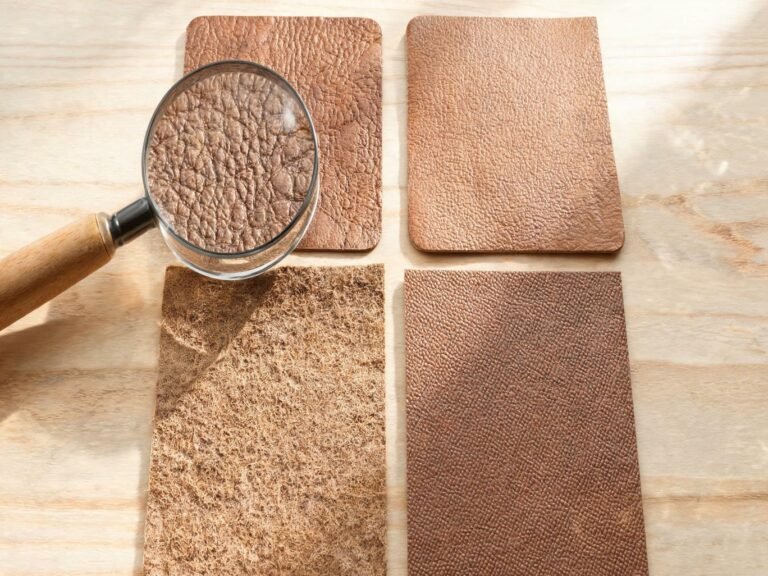
Pro tip from our factory floor: Hold the sample up to natural light. Real hide shows subtle grain variation and tiny pore structures. Heavy pigment coatings create an unnaturally uniform surface that masks the leather’s true grade.
How Real Hide Quality Stacks Up Against Modern Synthetics
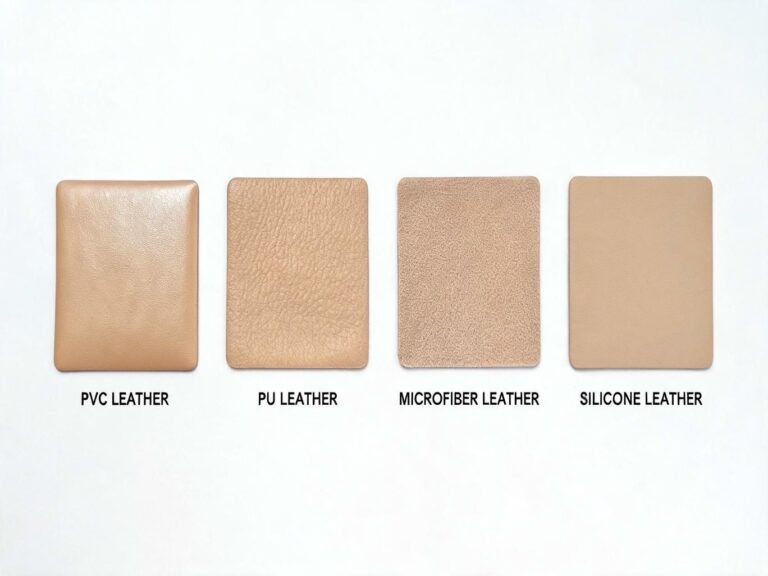
Here is where the conversation gets interesting. Modern synthetic leathers—particularly full silicone leather—have closed the gap on several performance metrics. They offer batch-to-batch color consistency, unlimited customization, and resistance to UV degradation that natural leather simply cannot match.
But genuine leather quality still holds distinct advantages in specific areas. The material breathes naturally, which matters enormously for seating surfaces in warm climates. It develops a patina over time that many consumers associate with luxury. And for certain fashion and furniture segments, the organic texture of real hide remains a non-negotiable selling point.
That said, the quality of genuine leather varies wildly. A well-tanned European hide performs entirely differently from a low-grade split sourced at commodity prices. Buyers who assume all genuine leather is equal often end up with inconsistent yields and unhappy customers. For furniture and sofa applications where surface feel drives purchasing decisions, genuine leather quality still wins. For high-wear, high-exposure environments, the argument shifts.

Natural Hide Durability: The Data You Need to See
This is the section procurement teams bookmark. Genuine leather durability depends on three factors: tannage type, hide layer, and end-use environment. Chrome-tanned leather generally outperforms vegetable-tanned variants in wet conditions. Vegetable-tanned leather ages more beautifully but requires more maintenance.
In our internal flexing tests, premium genuine leather averages 80,000 to 120,000 Martindale cycles before surface breakdown. High-grade silicone leather routinely exceeds 150,000 cycles. For context, residential furniture typically requires 25,000 cycles. Commercial aviation seating demands 100,000+.
| Property | Genuine Leather | Silicone Leather |
|---|---|---|
| Martindale Abrasion | 80,000 – 120,000 cycles | 150,000+ cycles |
| UV Resistance | Moderate (fades over time) | Excellent (stable color) |
| Water Resistance | Low to moderate | Excellent |
| Temperature Range | -10°C to 60°C | -40°C to 120°C |
| Repairability | Excellent (can be refinished) | Limited (panel replacement) |
| Maintenance | Regular conditioning needed | Minimal (wipe clean) |
Here is the catch. Those cycle numbers only tell part of the story. Genuine leather can be conditioned, repaired, and refinished over time. Scratches blend into the patina. Small tears can be patched by skilled upholsterers. Most synthetics, once scratched or torn, require full panel replacement.
The reality is this: genuine leather durability is excellent for most consumer applications. But if your product faces extreme temperature swings, constant moisture, or heavy public use, synthetics often deliver longer service life with lower maintenance costs.
When Do Real Leather Products Still Make Sense?
Not every application demands the highest abrasion score. Sometimes brand perception, tactile experience, and emotional value matter more than raw performance data.
Genuine leather products dominate in three segments:
- Premium residential furniture. Buyers spending $4,000+ on a sofa expect real hide. The smell, the texture, the way light plays across the grain—these are selling points, not side notes.
- Luxury automotive interiors. High-end vehicles continue to specify genuine leather for seating and dash trim. The material signals craftsmanship in a way synthetics still struggle to replicate at the emotional level. For brands exploring automotive interior solutions, the choice often comes down to positioning.
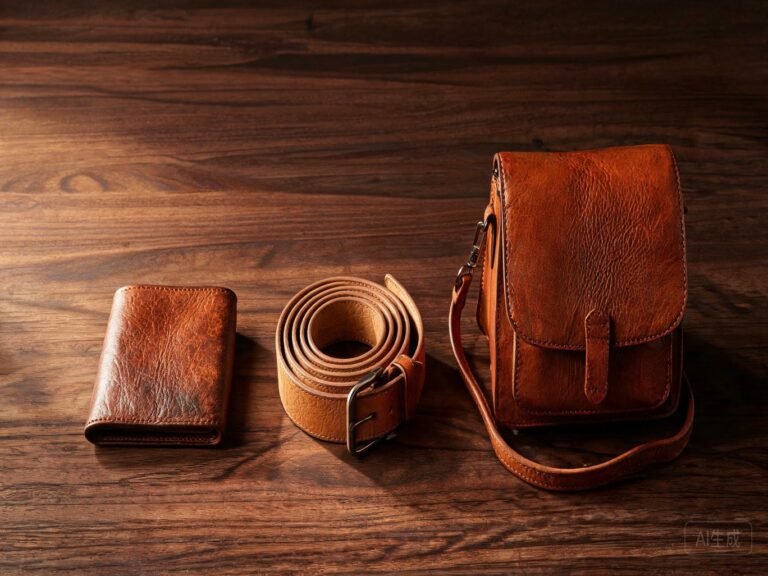
- Heritage fashion and accessories. Wallets, belts, and bags marketed as lifetime investments rely on the organic aging story that only real leather provides.
For these markets, switching to synthetic purely for cost savings can backfire. Consumers in these segments often know exactly what they are paying for. They want the imperfections, the grain variation, the lived-in character that no factory can perfectly replicate.

Sourcing Smarter: What to Ask Your Genuine Leather Supplier
If you decide genuine leather is the right fit, your supplier selection process becomes critical. The material’s natural variability means that two hides with the same label can perform very differently.
Start with these questions:
- Where are the hides sourced? European and North American hides generally offer more consistent grain structure than commodity-grade alternatives from other regions.
- What is the exact tanning process? Chrome tanning offers softness and water resistance. Vegetable tanning delivers rigidity and a classic aesthetic but requires more care.
- What is the yield per hide? Lower-grade genuine leather often requires extensive trimming around scar tissue and imperfections. A cheap per-square-foot price can evaporate once waste factors in.
- Can you provide batch consistency reports? Natural material varies. Good suppliers document it rather than hide it. Look for partnerships with Leather Working Group certification standards to ensure environmental and quality accountability.
At TOPSUN, we work with both natural and synthetic materials daily. Our view is simple: the best procurement decisions come from matching material properties to end-use requirements, not from defaulting to the lowest sticker price.

Frequently Asked Questions
Is genuine leather better than synthetic leather?
Better depends on the application. Genuine leather offers superior breathability, repairability, and organic texture. Modern synthetics like silicone leather outperform it in UV stability, water resistance, and batch consistency. Match the material to the use case. For a deeper comparison, read our analysis of genuine leather and synthetic leather.
How can I tell if genuine leather is real leather?
The burn test and smell test work in a showroom, but they are impractical at scale. Request a material data sheet. Look for grain irregularities under magnification. Real hide has pores, scars, and subtle variations. Perfect uniformity usually signals a synthetic surface. Reputable independent testing laboratories can verify composition if disputes arise.
What is the typical lead time from a genuine leather manufacturer?
Natural leather lead times vary with tanning schedules and hide availability. Expect 4 to 8 weeks for standard orders. Custom colors or finishes can extend this to 12 weeks. Silicone leather manufacturers typically offer shorter lead times due to controlled production processes.
Does genuine leather work for outdoor furniture?
Generally, no. Unless specially treated, genuine leather absorbs moisture, fades under UV exposure, and can crack in freezing temperatures. For outdoor and marine environments, synthetic alternatives with built-in UV stabilizers and waterproof backings are the safer choice.
The Bottom Line for B2B Procurement Teams in 2026
Genuine leather is not going away. For premium furniture, luxury vehicles, and heritage accessories, it remains the material of choice. The tactile warmth and organic aging process create value that transcends technical specifications.
But the synthetic alternative landscape has evolved dramatically. Materials like full silicone leather now offer performance profiles that genuine leather cannot match in extreme environments. Smart buyers do not treat this as an either-or decision. They treat it as a material selection process driven by end-use requirements, total cost of ownership, and brand positioning.
If you are unsure which direction fits your next product line, talk to a supplier who understands both sides of the equation. Understanding the full spectrum from top-grain and genuine leather through to advanced silicone synthetics is the only way to make a decision you will not regret.
About TOPSUN
TOPSUN is a leading silicone leather manufacturer specializing in B2B custom solutions for automotive, furniture, marine, medical, and fashion industries. With in-house R&D and full production control, we help procurement teams navigate material choices with confidence.
Relevant Certifications: REACH, RoHS, ISO 10993, FDA, OEKO-TEX, GRS