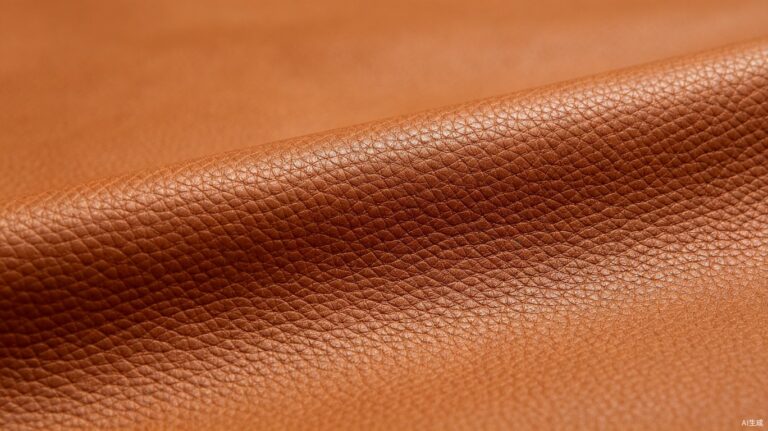
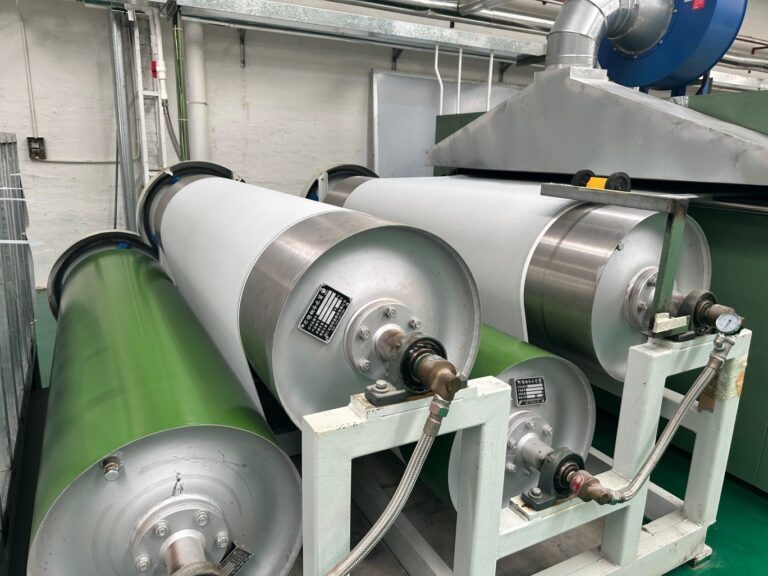
What do you actually do with a fabric spec sheet? Most buyers scan the weight, glance at a test figure or two, and jump straight to the price. That habit costs more than any fabric line item, because the details that decide performance sit in the lines people skim past. This fabric information checklist covers the seven specs worth reading closely, and the vague wording worth challenging before you sign.
What Fabric Information Actually Tells You
A complete spec sheet summarizes a series of decisions made long before your inquiry. Fiber content describes what the cloth is made of. Weight tells you how much material sits in each square meter. Construction explains how those fibers were assembled. Finish and coating describe what was added afterward, and test results predict how the whole stack behaves under stress.
Construction deserves special attention. A woven base fabric locks yarns at right angles and resists stretching. A knit stretches and recovers, which suits curved surfaces. A nonwoven bonds fibers randomly, trading strength for cost. The same GSM across these three structures behaves nothing alike.
In our inspection area, every incoming base fabric roll gets checked before it reaches the coating line. We reject rolls with weaving defects, contamination, or inconsistent tension, because a coated product inherits every weakness of its base cloth. Fabric quality is decided upstream, then merely confirmed downstream.

Base fabric inspection happens before coating, not after complaints.
GSM Is a Starting Point, Not a Quality Score
GSM stands for grams per square meter, and it is the most quoted number in fabric information. One square meter of cloth goes on the scale, and the result becomes the headline spec. The measure earns its popularity because it is objective, repeatable, and comparable across suppliers.
Here is the myth worth retiring: higher GSM does not mean better quality. A heavier fabric is only heavier. Quality lives in the fiber, the yarn, the weave or knit construction, and the finishing. A well-made 180 GSM fabric can outperform a poorly made 250 GSM one in every test that matters.
For coated textiles the plot thickens, because base fabric weight interacts with coating weight to determine the final hand feel and drape. Our silicone leather introduction explains how substrate and coating combine into one performance system. Read the GSM line, then read everything around it.

Construction, not weight, decides how a fabric moves and wears.
The Tests Behind Fabric Durability Claims
A Martindale rub count without a test method attached is marketing, not data. The Martindale method under ISO 12947 measures abrasion resistance and pilling by rubbing fabric samples under controlled pressure, and the industry reads the results in rough tiers. Around 10,000 to 15,000 rubs suits light domestic use. The 15,000 to 25,000 band covers general household upholstery. Heavy-duty applications start near 25,000 rubs, and commercial seating expectations begin above 40,000.
Colorfastness claims need the same scrutiny. ISO 105-B02 measures resistance to daylight fading, which matters for anything near a window. ISO 105-X12 measures color transfer under rubbing, which matters anywhere hands, clothing, or cleaning cloths make contact.
Substrate choice shapes every one of these numbers. A dense base distributes stress evenly, and our silicone microfiber leather pairs exactly that kind of base with a silicone coating built for high-cycle applications.
Why substrate selection decides the numbers on your spec sheet.

Test reports should quote methods, conditions, and dates.
Talk to Our Material Specialists
How to Compare Fabric Quotes From Different Suppliers
Two suppliers can quote the same fabric information and deliver different products. Identical GSM values can hide different construction. Matching rub counts can come from different test conditions. So compare documents, not just numbers.
- Request test reports that name the method, not just the result.
- Ask for batch color data so shade drift shows up before shipment.
- Confirm coating weight tolerance in writing.
- Trace the base fabric source, because coated product quality starts there.
If you want to see how coating weight and curing temperature get controlled in practice, our factory production process page walks through the line step by step. Suppliers who publish their process usually survive a factory audit. Suppliers who dodge it rarely do.

Same category, very different spec sheets. Compare documents first.
The Bottom Line
Fabric information is only as good as the questions you bring to it. Read GSM as a starting point, demand test methods with every number, and treat vague wording as a finding, not a formality.
Request Fabric Samples and Test Reports
Frequently Asked Questions
What documents should I request with a fabric sample?
Ask for three things: test reports that quote the exact method and conditions, a spec sheet with tolerance ranges rather than single values, and batch color data from recent production. A sample without documents is a promise. A sample with documents is a baseline you can hold the bulk order to.
How do I spot vague fabric specifications?
Watch for three patterns. Quality adjectives with no test method behind them, such as premium-grade durability with no rub count. Missing tolerance ranges, where a spec gives one number and no acceptable band. And GSM quoted without construction details, which tells you weight but nothing about how the fabric behaves.
References
1. https://makersrow.com/blog/gsm-fabric-explained/ – GSM definition and the finding that higher GSM does not equal better quality (2026)
2. https://tl.testextextile.com/abrasion-resistanc… – Martindale rub count tiers for upholstery, from 10,000-15,000 light domestic to 40,000+ commercial (2026)