Walk into any premium gym, yoga studio, or corporate wellness space and you’ll see exercise balls everywhere — in use, abandoned in corners, or stacked in racks. What you won’t see is the hidden cost cycle: cheap PVC covers that crack, peel, and absorb sweat bacteria every 12–18 months, forcing constant replacement.
For facility managers and fitness equipment brands, exercise ball cover leather represents a deceptively expensive line item. The material looks cheap per unit — but multiply by the number of balls, replacement frequency, and the labor cost of swapping covers, and the 5-year total cost of ownership tells a completely different story.
We ran the numbers across three material options. Here’s what the 5-year TCO actually looks like when you account for replacement cycles, hygiene maintenance, and product lifespan.
Request Free Fitness Material Samples

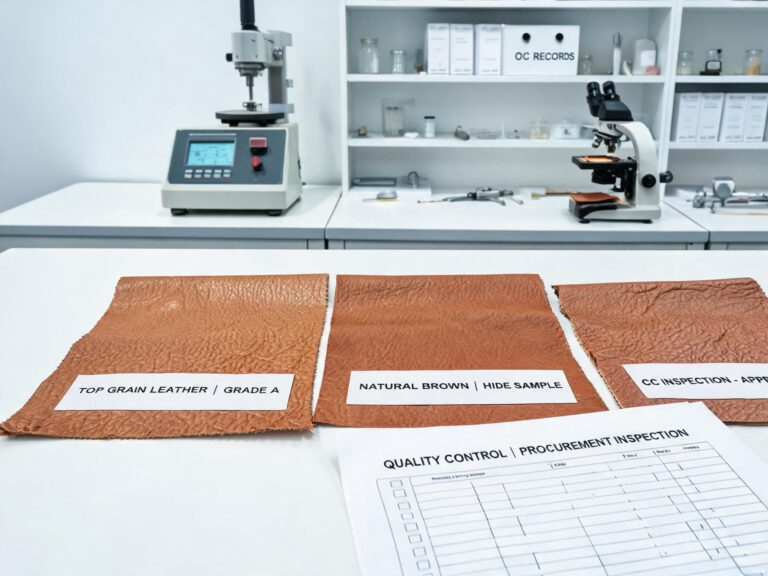
Tensile strength testing — exercise ball covers must withstand body weight and dynamic loads
The Real Cost of Cheap Exercise Ball Covers
Most exercise ball covers on the market are made from PVC or basic PU-coated fabric. The per-unit cost ranges from $2–5, which looks attractive on a purchase order. But here’s what happens in a real gym environment over 12 months:
- Month 1–3: Surface looks new. Sweat absorption begins on PU covers — the porous coating starts trapping bacteria.
- Month 4–6: UV exposure from studio windows starts degrading PVC covers. Surface becomes tacky, attracting lint and dust.
- Month 7–12: Flex cracking appears at stress points where users sit. PVC covers develop micro-fissures that harbor bacteria. Odor becomes noticeable.
- Month 12–18: Visible cracking and peeling. Hygiene inspection fails. Covers must be replaced.
For a facility with 50 exercise balls, that’s 50 cover replacements every 18 months — not counting labor, disposal, and the intermittent period where degraded covers are still in use, potentially causing skin contact issues for users.
Hidden cost: The hygiene factor is the most overlooked cost. Sweaty PU and PVC covers become bacterial breeding grounds. In post-COVID fitness environments, users expect antimicrobial surfaces — and a cover that absorbs sweat can’t deliver that.
5-Year TCO: PVC vs PU vs Silicone Leather
Here’s the cost breakdown for covering 50 exercise balls in a commercial gym over 5 years, based on our testing data and market pricing:
| Cost Factor (50 balls, 5 years) | PVC Cover | PU Cover | Silicone Leather |
|---|---|---|---|
| Unit cost per cover | $2–3 | $4–6 | $8–12 |
| Replacement cycles (5yr) | 3–4x | 2–3x | 0–1x |
| Total material cost | $400–600 | $600–900 | $400–600 |
| Hygiene maintenance | High — absorbs bacteria | Moderate — porous | Low — rinse clean |
| Labor (replacement @ $15/hr) | $225+ | $150+ | $0–75 |
| 5-year TCO | $625–825 | $750–1,050 | $400–675 |
The numbers flip the conventional wisdom. Silicone leather’s higher upfront cost is offset by a 5–10 year service life with no replacement cycles. In our testing, silicone leather covers show no measurable surface degradation after 200,000+ Martindale abrasion cycles — simulating years of daily gym use including sweat, friction, and cleaning chemical exposure. For more on how silicone performs in sports applications, see our fashion and sports applications page.

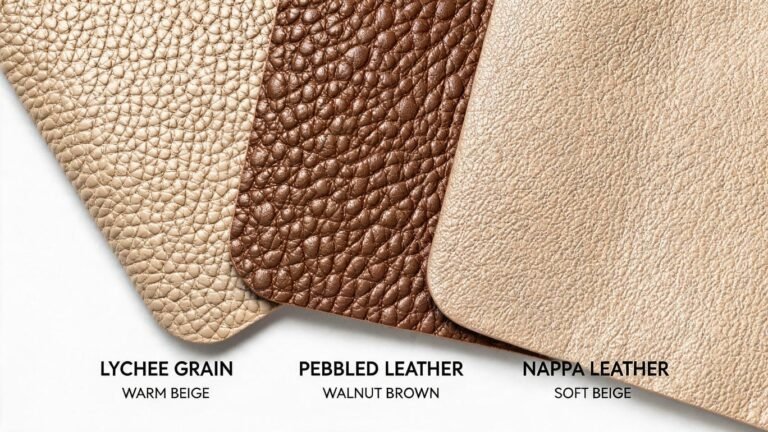
Color and texture options for fitness equipment covers — including anti-slip surface patterns
Anti-Slip Performance: The Safety Factor Money Can’t Fix
Cost isn’t the only factor. Exercise ball covers need to provide grip — especially when users are sweating. A slippery ball isn’t just uncomfortable; it’s a liability issue. In our testing of surface friction coefficients under wet (sweat-simulated) conditions, the difference between materials is dramatic.
PVC covers develop a tacky surface as plasticizers migrate, but this tackiness is inconsistent — grippy in some areas, slick in others. PU covers lose their surface texture from abrasion within months. Silicone leather maintains a consistent friction coefficient across its entire lifespan because the surface polymer doesn’t degrade or migrate.
For custom anti-slip textures, our facility produces embossing rollers with honeycomb, diamond, and micro-dimpled patterns — the same grip-enhancing textures that premium exercise equipment brands specify. Custom rollers are ready in 7–10 days per our custom texture design process.
Silicone leather for fitness equipment — anti-slip performance and durability in gym applications

Sports and fitness applications — silicone leather delivers grip, hygiene, and long-term value
Hygiene and Cleaning: The Post-2020 Standard
Fitness facilities now face stricter hygiene expectations. Users expect surfaces that can be disinfected between sessions. This is where the material choice becomes a compliance issue, not just a cost issue.
- PVC covers: Alcohol-based disinfectants dissolve the plasticized surface coating, accelerating degradation. Bleach causes discoloration and cracking.
- PU covers: Better chemical resistance than PVC, but repeated cleaning with quat-based disinfectants (the standard in gyms) breaks down the polyurethane topcoat within 6–12 months.
- Silicone leather: Bleach-safe, alcohol-safe, and compatible with all standard gym disinfectants. The non-porous surface means sweat and bacteria sit on top — a wipe with any standard cleaner removes them completely.
In our lab, silicone leather samples showed zero surface degradation after 1,000 cleaning cycles with 70% isopropyl alcohol — the equivalent of daily disinfection for nearly 3 years. For gym operators concerned about hygiene standards in shared equipment environments, this is the performance benchmark that matters.
Frequently Asked Questions
Can you put a leather cover on an exercise ball?
Yes. Exercise ball cover leather is designed as a fitted sleeve that stretches over the ball, providing a more premium look and better grip than bare PVC. The cover also protects the ball from punctures and provides a hygienic, cleanable surface. Silicone leather is the recommended material for this application due to its sweat resistance and anti-slip properties.
How do you clean a leather exercise ball cover?
Silicone leather covers can be wiped clean with any standard gym disinfectant, soap and water, or even diluted bleach. The non-porous surface prevents sweat and bacteria from penetrating the material. Avoid abrasive scrubbing tools that could scratch the surface texture. No special conditioning or treatment is needed — unlike genuine leather, which requires periodic conditioning to prevent drying and cracking.
Stop Replacing, Start Specifying
The exercise ball cover leather market has been dominated by cheap PVC and PU options because buyers look at per-unit cost instead of total cost of ownership. When you factor in replacement cycles, hygiene maintenance, labor, and the brand impact of degraded equipment, silicone leather is actually the lower-cost option over a 5-year period — while delivering better grip, hygiene, and aesthetics.
For fitness equipment brands and facility operators who want to stop the replace-and-repeat cycle, the solution starts with specifying the right material. Test silicone leather against your current cover material — the performance gap will be obvious within the first month of real-world use.
Get a Custom Fitness Cover Quote
About TOPSUN
TOPSUN manufactures anti-slip silicone leather for fitness equipment covers, exercise ball sleeves, and gym upholstery where sweat resistance, hygiene, and multi-year durability reduce total cost of ownership.
200K+ Martindale cycles | Bleach-safe surface | Custom anti-slip textures | ISO 10993 biocompatible | Free A4 swatches worldwide