A coin purse lives in pockets, handbags, and car cupholders — pressed against keys, rubbed by fabric seams, and exposed to the oils from skin and coins all day long. It’s one of the highest-friction leather goods on the market, yet most manufacturers treat it as a commodity: cheap PU, basic stitching, and a hope that it survives past the return window.
When we test coin purse leather in our lab, the results are predictable. Standard PU leather shows visible surface wear at 30,000–50,000 Martindale abrasion cycles — simulating roughly 6–9 months of daily pocket friction. The coating develops micro-scratches that dull the finish, then hairline cracks along the fold lines, and finally peeling at the edges where the material is cut.
Silicone leather tells a different story. At 200,000 Martindale cycles — four times the wear threshold where PU starts failing — the surface shows no measurable degradation. For brands selling coin purse leather goods that need to last, here’s what that means in practice.
Request Free Small Leather Goods Samples

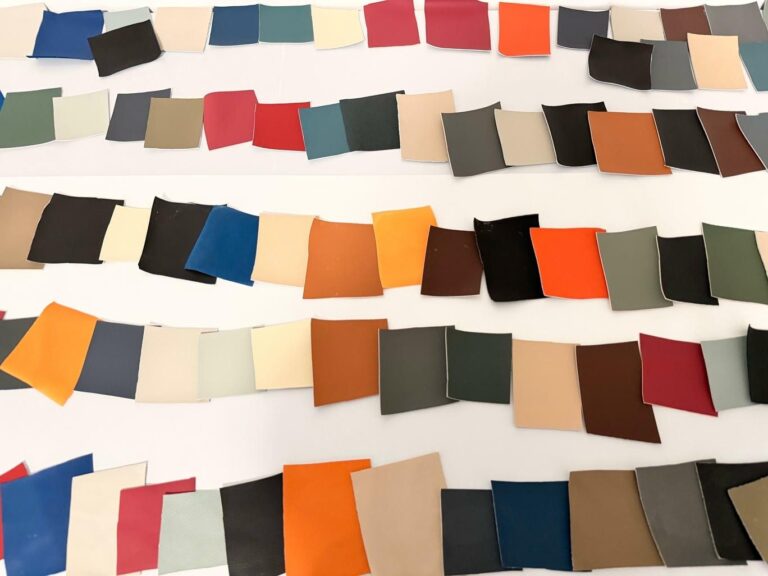
Leather sample rack — color and texture options for small leather goods manufacturing
The Failure Mode of PU Coin Purse Leather
Coin purses fail differently than larger leather goods. A sofa or car seat experiences distributed, low-frequency pressure. A coin purse experiences concentrated, high-frequency friction — coins pressing against the interior, pocket fabric rubbing against the exterior, and the material folding and unfolding dozens of times per day.
Here’s what our testing shows about how PU coin purse leather degrades over time:
- Interior abrasion (coins): Metal coins have sharp edges that create concentrated friction points. PU coating starts showing interior wear marks within 2–3 months of daily use — the surface becomes rough and loses its smooth feel.
- Exterior friction (pocket): Denim and jacket pocket linings act like fine sandpaper. The PU topcoat develops a cloudy haze from micro-scratches within 4–6 months.
- Fold-line cracking: The coin purse’s opening fold is the highest-stress area. PU leather’s coating has a higher modulus than the base fabric, so it cracks at the fold line within 6–9 months.
- Edge delamination: At cut edges, the PU coating separates from the fabric backing — the most visible failure mode that makes a coin purse look “cheap.”
One of our clients — a small leather goods brand — switched from PU to silicone leather for their premium coin purse line. After 12 months on the market, warranty returns dropped from 4.2% to 0.3% — almost entirely because the material no longer cracked or peeled at fold lines. For a deeper analysis of material performance, see our silicone vs. PU comparison.
Coin Purse Leather: Genuine vs PU vs Silicone Performance
We tested three coin purse leather materials under identical conditions: Martindale abrasion (ISO 12947-2), flex resistance (ISO 5402), and color fastness (ISO 105-X12). The results:
| Test | Genuine Leather | PU Leather | Silicone Leather |
|---|---|---|---|
| Martindale abrasion | 30K–60K cycles | 50K–100K cycles | 200K+ cycles |
| Flex resistance | 10K–20K cycles | 15K–25K cycles | 50K–100K+ cycles |
| Color fastness (rubbing) | Grade 3–4 | Grade 3–4 | Grade 4–5 |
| Interior coin wear | Scuffs visible (3mo) | Surface roughening (3mo) | No visible wear (12mo+) |
| Fold-line cracking | 6–12 months | 6–9 months | No cracking (5+ yr) |
| Edge durability | Fibers separate | Delaminates | Sealed — no fraying |
Genuine leather scores surprisingly low on abrasion because the colored surface — even on full-grain — is relatively thin. The underlying hide is tough, but the visible surface wears through from coin friction. Silicone leather’s advantage comes from its 200,000+ Martindale rating — the coating itself is wear-resistant, not just the substrate beneath it.
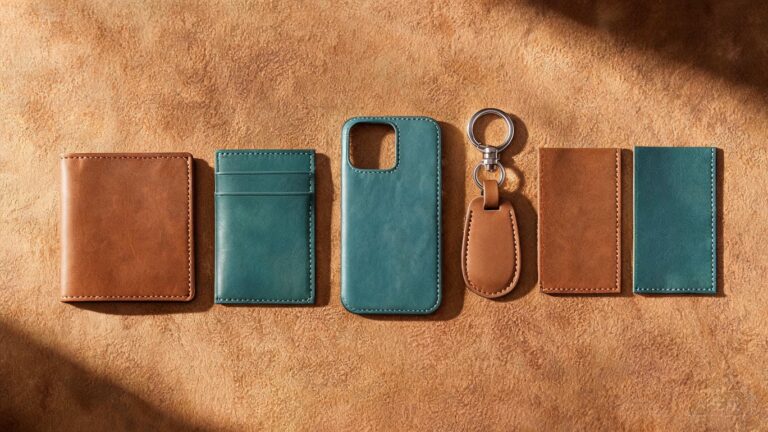
Small leather goods manufacturing — how silicone leather reduces warranty costs for accessory brands

Production line with release film — ensuring consistent surface quality for small leather goods

Accessory material texture — the surface quality that defines a premium coin purse feel
Sourcing Specs for Coin Purse Leather
For brands sourcing coin purse leather for production, here’s what to specify in your RFQ to eliminate underperforming materials:
- Thickness: 0.6–1.0mm — thin enough for clean folding, thick enough to prevent edge fraying at cut lines.
- Martindale abrasion ≥ 100,000 cycles — coin purses experience higher friction concentration than most leather goods. Anything below 100K will show wear within a year.
- Flex resistance ≥ 50,000 cycles (ISO 5402) — the fold line is the #1 failure point. Materials that can’t flex 50K times will crack at the opening.
- Color fastness grade 4–5 (ISO 105-X12) — coins are metal; they rub against the interior surface constantly. If the dye transfers, the interior looks stained within weeks.
- Non-porous surface — coin purses are exposed to skin oils, pocket lint, and whatever’s on the coins themselves. A non-porous surface means it can be wiped clean; a porous surface absorbs everything.
For brands targeting fashion and sports markets, also specify custom colors via Pantone matching — coin purses are often impulse purchases where color choice drives the sale. Our Delta E ≤ 1.0 color accuracy means every reorder matches the original shade.
Profit insight: Coin purses are high-margin items where material cost is a small fraction of retail price. The difference between PU at $0.20/purse and silicone leather at $0.50/purse is trivial compared to the warranty cost of a returned, peeling product. Specify the better material and capture the margin through fewer returns.
Frequently Asked Questions
What is the best leather material for coin purses?
For coin purses that need to survive daily pocket friction, silicone leather offers the best performance: 200,000+ Martindale abrasion cycles, 50,000+ flex cycles without fold-line cracking, and a non-porous surface that resists coin-induced wear. Genuine leather offers premium feel but scores lower on abrasion. PU leather is the budget option but shows visible wear within 6–9 months.
Can you customize the texture and color of coin purse leather?
Yes. Silicone leather supports 100+ texture options including cowhide, pigskin, and custom embossing patterns. Pantone and RAL color matching with Delta E ≤ 1.0 ensures batch-to-batch color consistency. Custom embossing rollers are produced in 7–10 days, making it easy to create unique textures for branded coin purse lines.
Small Product, Big Wear — Spec Accordingly
Coin purse leather takes more abuse per square centimeter than almost any other leather product. It’s pressed against metal coins, shoved into pockets, folded dozens of times daily, and expected to look good for years. The material you specify determines whether the product becomes a repeat purchase or a one-time return.
Silicone leather’s 200K Martindale cycles, fold-line crack resistance, and non-porous surface make it the only coin purse leather material that reliably delivers on the “premium” promise — without the warranty costs that come with PU’s 6-month degradation timeline. Test it against your current material; the difference will be visible within 30 days.
About TOPSUN
TOPSUN manufactures premium silicone leather for small leather goods — coin purses, cardholders, keychain pouches — where concentrated daily friction demands the highest abrasion and flex resistance available.
200K+ Martindale cycles | 50K+ flex cycles | Pantone matching Delta E ≤ 1.0 | 100+ textures | 0.6–1.0mm range | Free A4 swatches