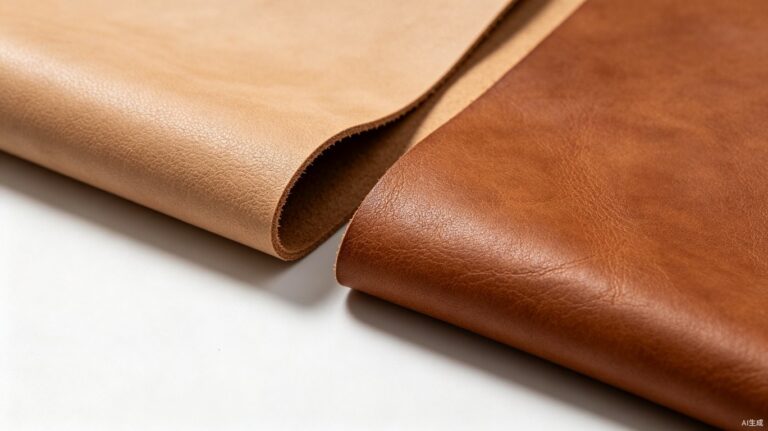
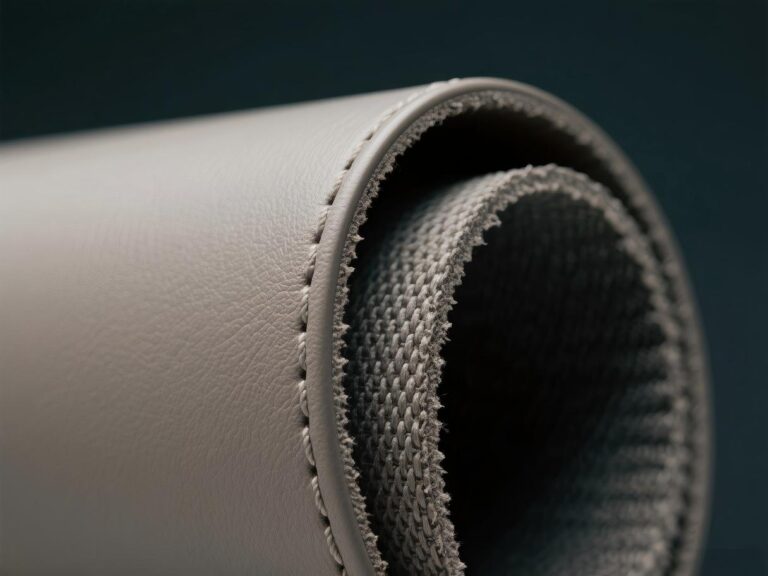
What should you actually pay when you buy vegan leather fabric — and what does the number on the quote include? Marketplace listings currently run from about $1.05–1.20 per meter for PVC upholstery stock (MOQ 1,500 meters) through $2–5.40 for PU on knit or air-layer backings, to roughly $13 for medical-grade silicone material listed with an MOQ of a single meter.
That is nearly a thirteen-fold spread for products that look identical in a thumbnail, and the difference hides in coating chemistry, backing construction and defect rates. Here are the four price bands decoded, the five checks an inspector runs before a deposit, and a decision path that matches the band to the program.
| Price Band (Listed, Per Meter) | What the Band Usually Contains | Inspector’s Watch List |
|---|---|---|
| $1.05–1.20 — PVC | Plasticized PVC face on woven backing; MOQs around 1,500 m | Plasticizer migration, seam peel, cold crack; demand phthalate screen + peel strength |
| $2–5.40 — PU / air-layer | PU coating on knit, woven or air-layer backing; MOQ 40–500 m; solvent-borne vs waterborne explains the four-fold quote gap | Hydrolysis (cheap PU cracks at 3–4 weeks in 85°C/85% RH), gloss drift; demand aging + VOC data |
| Quote on spec — microfiber | Microfiber substrate, 1.0–1.4 mm, recycled content often available (GRS) | Verify GRS scope certificate and Martindale rating, not “very high abrasion” claims |
| ≈$13 — silicone | 100% silicone polymer, solvent-free process; medical-grade listings from €12.07 with MOQ from 1 m | Process disclosure + ISO 16000-6 VOC report; 10–15 year service rating to justify the premium |
The Price Bands, Decoded: What Each Meter Actually Contains
Read the bands as material declarations, not discounts. The cheapest meter buys you a PVC surface whose plasticizers will migrate and stiffen the face. The mid-band buys PU whose price swings four-fold because the quote may or may not include a hydrolysis-resistant, low-VOC system. The premium band buys polymer chemistry that skips the plasticizer problem entirely.
When the quote is vague, the defect list fills the gap — which is why inspectors read how silicone compares with PU before they read the price. Furniture-grade stock of any polymer should declare 0.8–1.4 mm thickness at a 54/55-inch width; anything vaguer than that is a quotation, not a specification.

Pick bands by declared spec, not thumbnail color — every swatch here carries a data sheet.
Five Checks Before You Buy Vegan Leather Fabric at Any Price Band
1. Caliper the thickness yourself. Advertised 1 mm or 2 mm stock can drift ±0.2 mm between batches, so verify with a digital caliper on the sample, not the listing. 2. Demand the polymer and backing in writing — PVC, PU, microfiber or solvent-free, on knit, woven or microfiber substrate.
3. Turn durability into numbers: tensile and tear per ISO methods, peel strength at seams, and Martindale abrasion at 200,000+ cycles for seating programs. 4. Ask for aging and emissions data — 85°C/85% RH hydrolysis results, light fastness to ISO 105-B02, VOC to ISO 16000-6.
5. Read the commercial terms as quality signals: standard custom MOQs run 100–1,000 meters per color with 7–35 day lead times, and a supplier confident in its batches ships per-lot reports with them. A stock that passes all five at $5 beats a mystery roll at $1.

Hand-feel is a screening step, not a verdict — the caliper and the data sheet finish the job.
Where to Buy Vegan Leather Fabric When Rejects Cost More Than the Roll
Supplier type matters as much as polymer. Marketplace traders will quote any band; mills that run their own coating lines can attach reports to the lot. Within the silicone band, grade structure also moves the price — full-silicone and semi-silicone grades differ in coating content, and the spec sheet should say which one you are buying.
For mid-premium programs, microfiber silicone leather pairs a dense substrate with the silicone face, which is where very-high-abrasion claims actually come from.
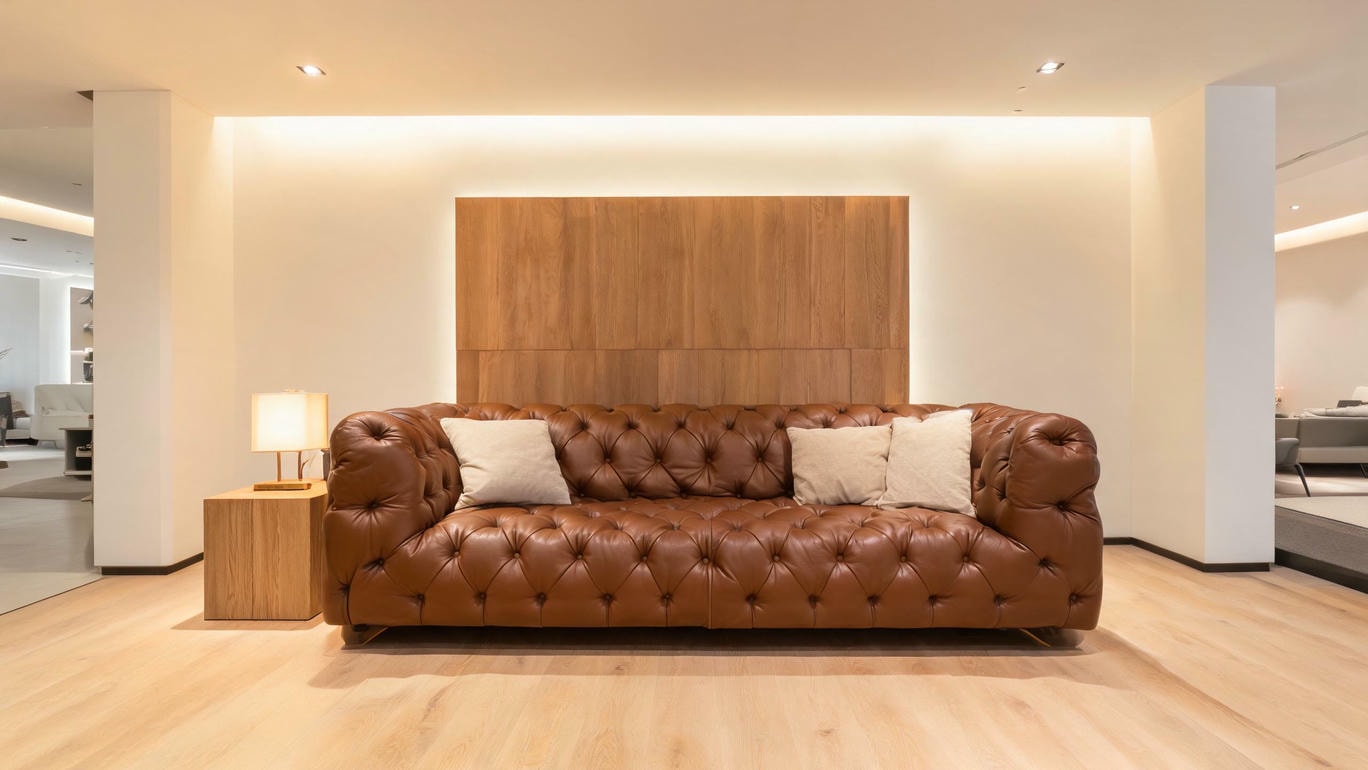
Rolls ready to ship — the report number on the wrap matters more than the wrap.
Which Band Fits Your Program? A Decision Path
If the product ships once and lives indoors for under two years → the PVC tier works; add a phthalate screen and move on. If it is daily-use upholstery → buy in the PU tier only with documented peel strength and hydrolysis results, and expect the quote spread.
If the program faces humidity, sunlight, skin contact or a 10-year service expectation → step into the silicone band, where MOQs start lower and the premium divides itself over three times the service life. That is how experienced teams buy vegan leather fabric: band first, paperwork second, deposit last.
Get Test Reports With Every Quote
One band, many surfaces: texture variety within a single declared spec.
Frequently Asked Questions
How much does vegan leather fabric cost per meter?
Current marketplace listings cluster into four bands: PVC near $1.05–1.20, PU on knit or air-layer backing at $2–5.40, microfiber quoted to spec, and silicone material near $13 with MOQs from a single meter. The band predicts the chemistry; the paperwork predicts the batch.
What MOQ should I expect when I buy vegan leather fabric?
Listings run from 40 meters on some air-layer PU stock to 1,500 meters on commodity PVC, with custom production typically at 100–1,000 meters per color and 7–35 day lead times. Silicone specialists often start at 500 meters per program with 7–15 day dispatch.
About TOPSUN
TOPSUN manufactures silicone-based vegan leather for furniture, automotive, bag and baby-product brands in more than 30 countries, from three production bases totaling 60,000+ m² with monthly capacity above 500,000 meters.
Quotes ship with per-lot documentation — REACH, ISO 10993-5, FDA 21 CFR 175.300 and ISO 16000-6 reports — at MOQ from 500 meters and 7–15 day lead times.
References
1. https://www.cignoleather.com/blogarticle-1/what-… — Cigno Leather buying specs: PVC/PU/microfiber/solvent-free comparison, 0.8–1.4 mm at 54/55 in, custom MOQ 100–1,000 m per color, 7–35 day lead times
2. https://smartbuy.alibaba.com/buyingguides/faux-… — Alibaba buying guide: 1 mm vs 2 mm selection, backing and coating types, thickness consistency and odor warnings