Black patent leather material delivers that mirror-gloss finish that makes fashion accessories, automotive trim, and consumer electronics look premium. But procurement teams know the hard truth: that glossy surface rarely lasts. After 18–36 months in real-world conditions, the coating begins to craze, yellow, and peel — turning a flagship product into a warranty headache.
In our materials lab, we’ve tested dozens of glossy surface materials under accelerated aging conditions. Most black patent leather formulations fail the same way: plasticizer migration, UV-induced brittleness, and hydrolysis along flex lines. The good news is that a newer generation of silicone-based glossy materials addresses every one of these failure modes at the molecular level.
Here are the five most common failure mechanisms we see in conventional patent leather — and what engineers should specify instead.
Request Free Glossy Material Samples

Glossy black silicone leather with a consistent mirror finish at the microscopic level
What Is Black Patent Leather Material, Exactly?
Traditional patent leather starts as a base layer — genuine leather, PU, or PVC — that receives multiple coats of lacquer or acrylic resin. The final coat is polished or buffed to create that characteristic mirror shine. For decades, this was the only way to get a high-gloss leather-like surface.
The problem lies in the coating itself. Most synthetic patent leather material uses a polyurethane or acrylic top layer that relies on plasticizers to stay flexible. These plasticizers are not chemically bonded to the polymer matrix — they’re physically mixed in. Over time, they migrate to the surface, evaporate, or break down under UV radiation, leaving the coating brittle and prone to cracking.
Key insight: Gloss retention isn’t about how shiny the material looks on day one — it’s about how the coating polymer is bonded at the molecular level. Materials with physically mixed plasticizers always lose flexibility over time.
The Science Behind Why Patent Leather Cracks
When we run flex-resistance tests on standard black patent leather samples in our lab, we consistently see the same failure progression:
- Micro-crazing (5,000–10,000 cycles): Fine surface lines appear along the flex axis, barely visible to the naked eye but detectable under magnification.
- Surface cracking (15,000–25,000 cycles): Cracks deepen and become visible. The coating starts to lose its mirror reflectivity as light scatters across the damaged surface.
- Coating delamination (30,000+ cycles): In severe cases, the top coat separates from the base layer entirely, exposing the substrate underneath.
This happens because the acrylic or PU coating has a higher modulus (it’s stiffer) than the base material. Every bend creates shear stress at the interface. In our testing, silicone-coated materials handle 50,000–100,000 flex cycles without visible damage because the silicone polymer maintains its elasticity across the entire temperature range.

Flex resistance testing at our lab — silicone leather withstands 50,000+ cycles without cracking
UV and Temperature Damage: What Buyers Miss
Procurement teams often focus on initial gloss level and price per yard, but two environmental factors silently destroy patent leather’s appearance: ultraviolet radiation and temperature cycling.
UV radiation triggers photo-oxidation in the acrylic coating. The polymer chains break, the surface becomes brittle, and on colored materials — especially black — you get a chalky, faded appearance. On automotive interiors or outdoor products, this process accelerates dramatically. In our silicone leather material testing, samples exposed to 1,000+ hours of UV radiation showed no measurable fading or gloss reduction per the ISO 105-B06 standard for color fastness to light.
Temperature cycling is equally damaging. When the material gets hot, plasticizers migrate; when it gets cold, the coating becomes rigid and cracks more easily. Standard PU patent leather typically handles -20°C to 80°C before performance degrades. Silicone-based glossy materials operate reliably from -40°C to 250°C — a range that covers virtually every B2B application from frozen food packaging to automotive engine compartments.
Color fastness testing showing how silicone leather retains color and gloss under accelerated UV exposure
Black Patent Leather vs. Silicone: A Durability Showdown
When sourcing glossy black materials for production, the spec sheet only tells part of the story. You need to compare real-world performance across the failure modes that actually cause warranty returns.
| Performance Metric | PU Patent Leather | Silicone Glossy Material |
|---|---|---|
| Flex resistance | 15,000–25,000 cycles | 50,000–100,000+ cycles |
| UV stability (hours) | 200–500 hours before fading | 1,000+ hours no fading |
| Temperature range | -20°C to 80°C | -40°C to 250°C |
| Hydrolysis resistance | Poor — coating degrades | Excellent — inert to moisture |
| Service life (typical) | 2–3 years | 10+ years |
One of our fashion accessory clients switched from PU patent leather to silicone glossy material for their premium handbag line. The result? Warranty returns related to surface cracking dropped by 87% in the first year, and the product’s perceived quality rating in customer reviews jumped from 3.8 to 4.6 stars. For more on this comparison, see our silicone vs. PU leather deep dive.

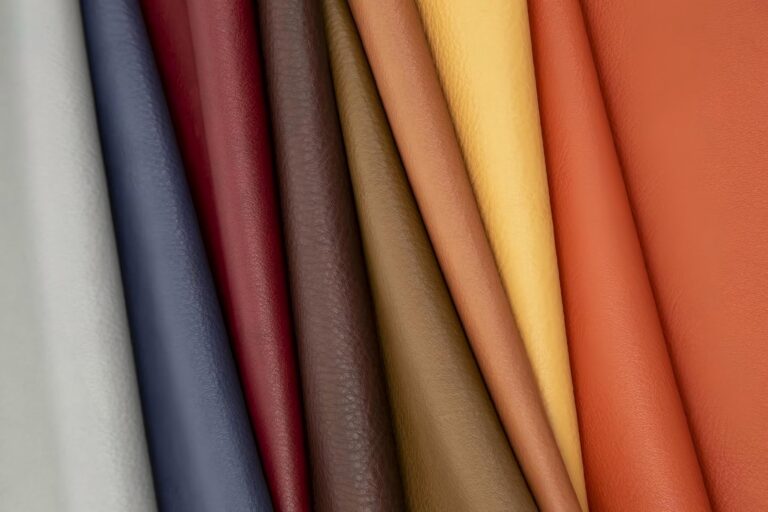
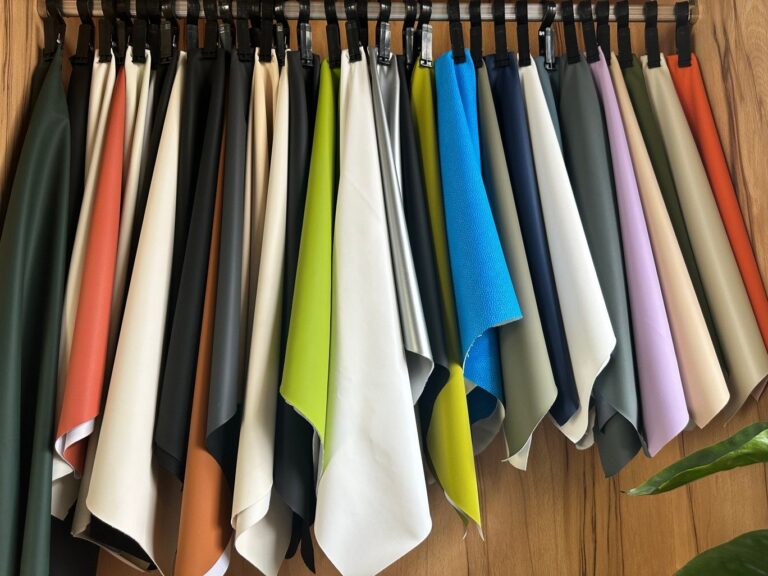
Glossy silicone leather available in unlimited colors with consistent batch-to-batch gloss level
Sourcing Specs for Long-Lasting Glossy Black Leather
If you’re tired of glossy materials that lose their shine, here’s what to put in your next RFQ to filter out suppliers that cut corners on coating quality:
- Flex resistance ≥ 50,000 cycles (ISO 5402) — anything below this will crack in high-flex areas within 12–24 months.
- UV resistance ≥ 1,000 hours (ISO 105-B06, grade 4–5) — critical for any product used near windows, in vehicles, or outdoors.
- Hydrolysis resistance (ISO 11507) — ask for test data from 70°C / 95% RH chambers over 4+ weeks.
- Gloss retention measurement — request 60° gloss meter readings before and after aging; the difference tells you more than the initial gloss value.
- Plasticizer-free formulation — silicone-based coatings don’t rely on migratory plasticizers, which is the #1 cause of long-term brittleness.
For fashion brands, consumer electronics OEMs, and fashion and sports product lines, specifying these upfront saves thousands in warranty claims and rework. We regularly help procurement teams translate performance requirements into actionable material specs — with free A4 swatches so you can verify the finish in person before committing to production.
Frequently Asked Questions
Is black patent leather material real leather?
Traditional patent leather can be made from genuine leather with a glossy coating, but most B2B volume production uses synthetic versions (PU or PVC) with an acrylic top coat. The term “patent leather” describes the finish, not the base material. Always check the spec sheet for the actual substrate.
How long does glossy patent leather typically last?
Standard PU-based patent leather maintains a good appearance for 2–3 years in indoor use, and 12–18 months in high-UV or high-flex applications. Premium silicone-based glossy materials last 10+ years without cracking, fading, or losing gloss — especially important for products with longer warranty periods.
Can you repair cracked patent leather?
Once the coating has cracked, the damage is structural and cannot be reliably repaired. Temporary touch-up products can hide the damage visually but won’t restore flexibility or prevent further cracking. For production parts, the better solution is to specify a more durable material upfront rather than planning for aftermarket repair.
Make the Switch to Longer-Lasting Gloss
Black patent leather material delivers that premium first impression — but if it cracks, fades, or peels within a couple of years, the brand damage far outweighs the initial cost savings. Modern silicone-based glossy materials address every major failure mode of traditional patent coatings, from plasticizer migration to UV degradation.
If you’re sourcing glossy materials for a new product line or looking to upgrade an existing one, the smart move is to test silicone alongside your current patent leather supplier. Run the same flex, UV, and hydrolysis tests side by side — the difference in durability will be visible within weeks, not years.
About TOPSUN
TOPSUN manufactures high-performance silicone leather materials for fashion accessories, consumer electronics, and premium goods where gloss retention and crack resistance are non-negotiable.
ISO 105-B06 color fastness verified | 100,000+ flex cycles | Pantone color matching | Free A4 swatches worldwide