Bio leather has become the buzzword of the sustainable materials movement. Brands from fashion to automotive are lining up to claim “bio-based” credentials, and procurement teams are fielding sustainability mandates from the C-suite. But here is the problem: “bio leather” is not a single material, there is no unified certification standard for it, and the gap between marketing claims and commercial performance is wider than most buyers realize. This guide separates verified data from greenwashed promises.
Request Sustainability Documentation
What Is Bio Leather? Defining a Fragmented Category
Bio leather refers to any leather-like material derived from biological sources — typically plant waste, fungal mycelium, or agricultural byproducts. Unlike conventional synthetic leather (PU or PVC), which relies on petroleum-based polymers, bio leather aims to replace some or all of its petrochemical content with renewable biological feedstock. But the “bio” label covers a remarkably wide range of materials with vastly different performance profiles.
The main categories currently in commercial circulation include cactus-based (Desserto), pineapple leaf fiber (Piñatex), apple waste, grape marc, mushroom mycelium (Mylo), and corn-based PLA composites. Each has a different bio-content percentage — anywhere from 25% to 85% — and most still require a polyurethane or acrylic binder coating to achieve leather-like surface properties. That means many “bio leathers” are actually bio-composite PU materials, not fully bio-based alternatives.

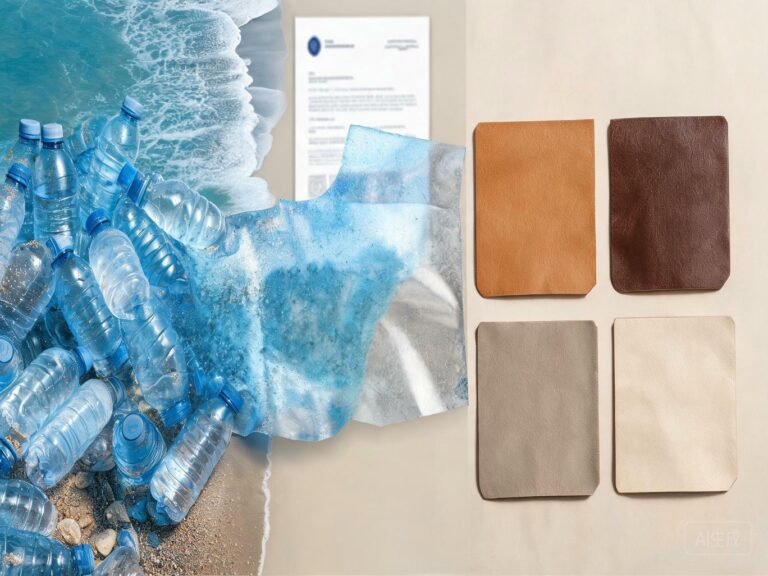
Raw materials lifecycle display — comparing feedstock inputs across bio, synthetic, and silicone leather categories
Sustainability Claims: What Marketers Promise vs What Data Shows
The marketing narrative around bio leather is compelling: renewable feedstock, lower carbon footprint, biodegradable end-of-life. Some of these claims hold up under scrutiny. Others do not. The Ellen MacArthur Foundation’s circular economy framework provides a useful lens for evaluating which claims are substantiated and which are aspirational.
- Carbon footprint — Bio feedstocks generally sequester carbon during growth, which is real. But the PU binder coating, transportation, and processing energy often erase 40–60% of that advantage in lifecycle assessments.
- Biodegradability — Most bio leathers require industrial composting facilities (60°C, controlled humidity) to break down. In landfill conditions, they behave much like conventional PU.
- Water usage — Cactus and grape-based materials use significantly less water than animal leather. Pineapple and apple-based options vary by region and processing method.
- Chemical content — Even with bio-based feedstock, the binder layer often contains the same solvent-borne polyurethane that raises VOC concerns in conventional synthetic leather.

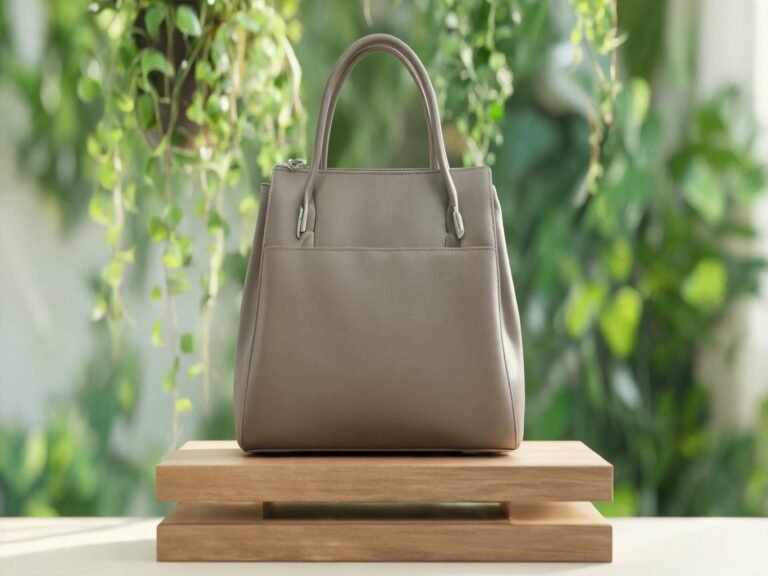
Bio leather texture sample — surface appears similar to conventional synthetic but biodegradability depends on disposal conditions
In our testing lab, cactus-based bio leather samples showed surface cracking after 15,000 Martindale cycles — roughly 30% of the abrasion resistance we measure on standard silicone-coated leather.
The Certification Gap in Bio-Based Leather Sourcing
Here is the catch that catches procurement teams off guard: there is no single certification that validates “bio leather” as a category. The term itself is unregulated. A material with 25% bio-content and a PU binder can be marketed as bio leather alongside a material with 75% bio-content and no petrochemical binder — and the buyer has no standardized way to distinguish them on a datasheet.
What does exist is a patchwork of certifications that address specific aspects of sustainability. The ISO 14001 environmental management standard certifies the manufacturing process but says nothing about the material’s bio-content. OEKO-TEX STANDARD 100 tests for harmful substances but does not verify biodegradability. Cradle to Cradle certification assesses material health and circularity but is expensive and slow to obtain.

Production process flow chart — mapping material inputs and environmental impact across different leather manufacturing routes
Bio Leather vs Silicone Leather: Performance and Compliance
For B2B buyers who need both sustainability credentials and commercial-grade performance, the bio leather vs eco-friendly silicone leather comparison is increasingly relevant. Both materials aim to reduce the environmental impact of synthetic leather, but they take fundamentally different approaches — and the performance gap is significant.
| Metric | Bio Leather (Cactus) | Silicone Leather |
|---|---|---|
| Bio-content | 60–75% | 0% (mineral-based silica) |
| Martindale abrasion | 15,000–30,000 cycles | 100,000+ cycles |
| VOC emissions | Moderate (PU binder) | Zero-VOC |
| End-of-life | Industrial composting required | Recyclable, non-toxic |
| Cost vs standard PU | +80–150% | +30–50% |
Eco-certification overview — understanding the sustainability documentation framework for silicone-coated leather
The data tells a nuanced story. Bio leather wins on renewable feedstock origin, but its PU binder layer means it does not fully escape the VOC and hydrolysis problems that plague conventional synthetic leather. Silicone leather, while mineral-based rather than bio-based, achieves zero VOC emissions, far superior abrasion resistance, and full recyclability — making it the stronger candidate for applications where both performance and compliance are non-negotiable.
When Bio Leather Makes Sense — and When It Does Not
Bio leather is not inherently good or bad — it is a material with a specific set of trade-offs that fits some applications and fails others. The key is matching the material to the use case, not the marketing story.
Good fit: Short-lifecycle fashion accessories, promotional items, limited-edition products where biodegradability is a brand narrative and the product will not face heavy wear. Also viable for interior applications in climate-controlled environments with low traffic.
Poor fit: Automotive interiors (UV and temperature cycling), commercial furniture (high-traffic abrasion), marine applications (salt and moisture exposure), medical settings (hygiene and disinfection requirements). For these applications, our 2026 sustainability report shows that silicone-coated leather delivers better lifecycle environmental impact due to its longer service life — a sofa that lasts 10 years has a lower total footprint than one replaced every 3 years.

Color fastness testing — bio leather samples often show faster color shift under UV exposure compared to silicone-coated alternatives

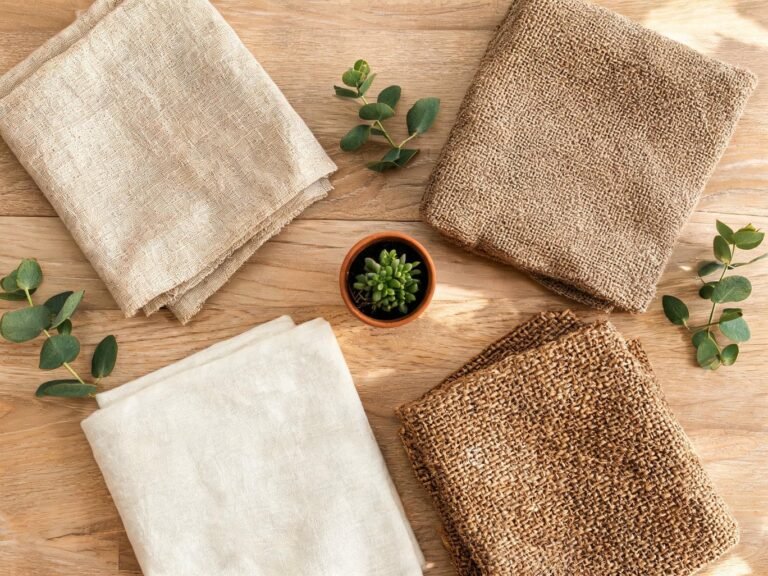
Material softness evaluation — tactile comparison across bio-based, PU, and silicone-coated leather options
For buyers exploring biodegradable material options, our biodegradable leather alternatives article provides a deeper comparison. And if your application spans multiple application categories, understanding the factory production capabilities of your supplier becomes even more critical.
Frequently Asked Questions
Can bio leather achieve the same durability as conventional synthetic leather?
Not yet. Most commercial bio leathers reach 15,000–30,000 Martindale abrasion cycles, compared to 50,000–100,000 for PU leather and 100,000+ for silicone-coated leather. The limitation comes from the plant-fiber structure, which is less uniform than synthetic polymer coatings. Bio leather also tends to be more sensitive to UV and moisture, reducing its effective lifespan in demanding applications.
What certifications should I look for when sourcing bio leather?
Request ISO 14001 for the manufacturing process, OEKO-TEX STANDARD 100 for chemical safety, and a verified bio-content percentage from an independent lab (TÜV or SGS). Ask for a full lifecycle assessment (LCA) report. If the supplier cannot provide bio-content verification or an LCA, treat their sustainability claims as marketing rather than data.
A Pragmatic Path Forward
Bio leather is a genuine innovation with real potential — but it is not ready to replace conventional synthetic leather across all applications. The sustainability story is compelling where the feedstock is genuinely renewable and the binder chemistry is clean. But the durability gap, certification ambiguity, and cost premium mean that for most commercial B2B applications, bio leather is a complement to — not a replacement for — proven materials like silicone-coated leather.
The most effective sustainability strategy is not choosing the material with the greenest marketing — it is choosing the material that performs well enough to stay in service for a decade rather than ending up in a landfill after three years. That is where silicone leather’s combination of zero-VOC chemistry, 100,000+ abrasion cycles, and full recyclability creates a sustainability outcome that bio leather cannot yet match.
Get a Custom Sustainability Comparison
About TOPSUN
TOPSUN produces silicone-based leather alternatives that deliver verified sustainability metrics — zero VOC emissions, no plasticizers, fully recyclable end-of-life — for B2B buyers who need documented environmental performance without compromising on commercial-grade material durability.
Core capabilities include platinum-catalyzed zero-solvent curing, REACH and RoHS compliant formulations, ISO 14001 environmental management certified manufacturing, and full lifecycle assessment documentation for OEM supply chains.