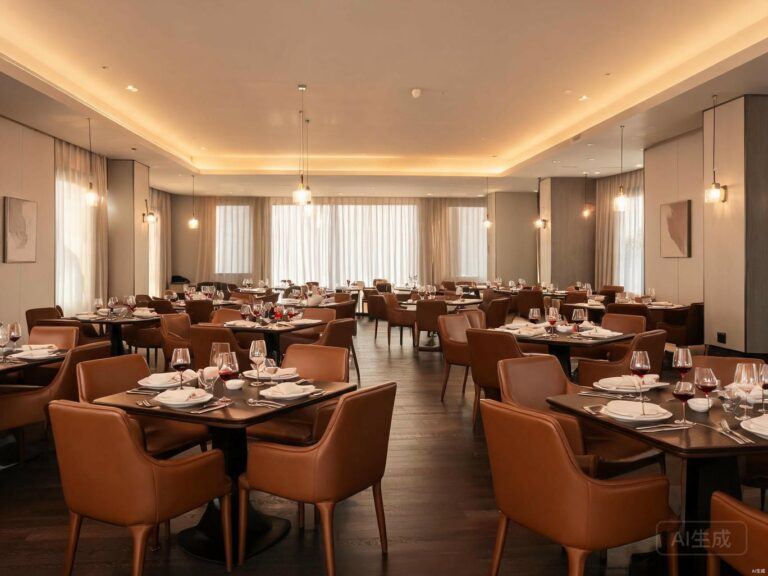
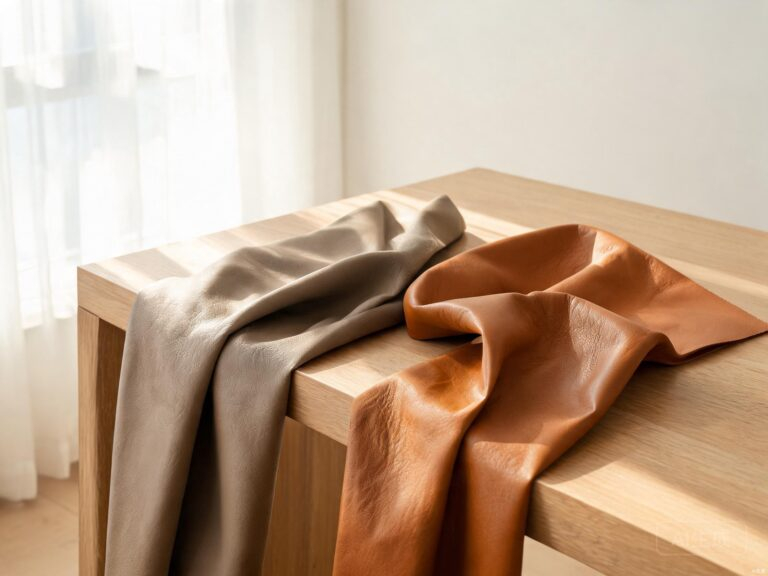
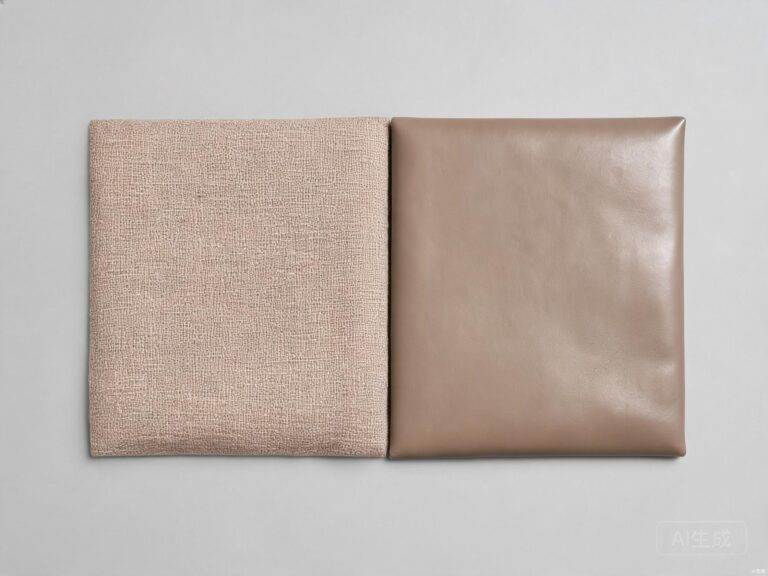
Banquette seating has become a defining feature in modern restaurants, hotel dining rooms, and upscale home kitchens. Whether it is a curved corner booth in a brunch spot or a built-in bench along a kitchen wall, banquettes create intimacy, maximize floor space, and set the design tone for the entire dining area. But because banquettes are built-in rather than freestanding, the banquette seating material choice carries long-term implications. You cannot simply swap out the upholstery when it wears out. The material needs to last for the life of the installation.
This guide examines what makes banquette upholstery successful, from continuous runs that demand perfect color consistency to corner seams that concentrate stress and restaurant environments that require daily sanitization.
Banquette Seating Material: Why Built-In Upholstery Is Different
Built-in seating is fundamentally different from freestanding chairs or benches. The upholstery is attached to a fixed structure — a wall, a platform, or a curved frame. This means the material must be installed in long continuous runs, often with complex corner wraps and tight seams. Any variation in color, texture, or thickness becomes immediately visible across a 10-foot or longer installation.
The wear pattern is also unique. In a banquette, multiple diners slide into the same seating zone repeatedly, concentrating abrasion in specific areas. The back panel flexes as diners lean back. The seat cushion compresses and releases with every sitting. And the vertical seams where the back meets the seat see constant tension that can split weaker materials.

For restaurant and hospitality interiors, these challenges are magnified. A single booth might seat 50–100 guests per day. Cleaning happens between every seating. And the visual impact of a worn banquette is impossible to hide — it dominates the dining room.
Restaurant Booth Material vs. Home Banquette Fabric
Commercial and residential banquettes face different stress profiles, and the material specification should reflect this.
Restaurant booth material needs to survive high-frequency use and aggressive cleaning. A busy restaurant booth sees 200–400 seatings per week. Health codes require sanitization between seatings, often with bleach-based cleaners. The material must resist not just abrasion but also chemical degradation. Fire safety codes in many jurisdictions require upholstery to pass the ASTM E84 surface burning characteristics test [1].
Home banquettes see lighter use but higher aesthetic expectations. The banquette is often a custom built-in that represents a significant investment for the homeowner. The material needs to feel premium, coordinate with the kitchen or dining room design, and maintain its appearance with minimal maintenance. Families with children add the same stain and spill concerns that apply to dining chairs — dropped food, juice, craft supplies.

Manufacturing insight: For banquette projects, we supply silicone leather in continuous rolls with guaranteed color consistency across the full length. This eliminates the shade variation that plagues fabric and PU leather when multiple rolls are joined in a long run. The material also wraps cleanly around curved corners without wrinkling or thinning at the tension points.
Banquette Seating Material and Continuous Run Quality
The most visually striking banquettes are the longest ones — a 20-foot curved bench wrapping a restaurant corner, or a full wall of built-in seating in a residential dining nook. These long continuous runs expose the biggest weakness in conventional upholstery materials: batch-to-batch color variation.
Fabric is dyed in lots, and even carefully controlled dye processes produce measurable shade differences between batches. When two fabric rolls are seamed together in a long banquette, the color jump is visible — especially under restaurant lighting. PU leather suffers from the same problem, with surface coating variations that create noticeable transitions between production runs.
Silicone leather solves this through precise formulation control. Color is integrated into the material structure rather than applied as a surface coating. This produces consistent color across production batches with Delta E values below 1.0 — a difference imperceptible to the human eye. For long banquettes where multiple rolls must appear as one continuous surface, this consistency is essential.
The ASTM D4966 Martindale abrasion test is equally relevant for banquettes [2]. A restaurant banquette at 200,000+ cycles survives years of daily use without the pilling, thinning, or surface breakdown that forces reupholstering — an expensive proposition for built-in seating that requires dismantling the structure.
Designing Corner Seating That Lasts
Corner banquettes and curved booths create the most dramatic seating visuals — and the most challenging upholstery applications. The material must stretch and conform to compound curves without wrinkling, puckering, or thinning at the tension points. It must hold staples or adhesive at the attachment points without tearing. And it must maintain these properties through years of compression and release.
Fabric wrinkles at corner transitions and pills where the back meets the seat. PU leather cracks at the stress points within 18–24 months of commercial use. PVC vinyl is more flexible but becomes stiff over time and develops permanent creases at corner folds.
Silicone leather wraps corners with the flexibility of premium upholstery leather and the durability of synthetic materials. The material stretches cleanly around curves without memory creasing. It resists the split-seam failure that destroys conventional banquettes at the back-to-seat junction. And for coordinated dining spaces that include banquettes alongside bar stools and dining chairs, the same material can be specified across all seating types for visual unity.
Banquette Seating Material Comparison
| Material | Color Consistency | Corner Wrapping | Bleach Cleaning | Fire Safety |
|---|---|---|---|---|
| Fabric | Poor — dye lot variation | Poor — wrinkles | No — degrades | Treatments available |
| PU leather | Moderate — coating variation | Moderate — cracks | No — surface degrades | Additives required |
| PVC vinyl | Good | Moderate — creases | Moderate | Inherent |
| Silicone leather | Excellent — Delta E < 1.0 | Excellent — flexible | Excellent — bleach-safe | Options available |
Request Banquette Material Swatches
Frequently Asked Questions
How do you prevent color variation in long banquette runs?
Color variation is best prevented at the material specification stage. Silicone leather integrates color into the material structure rather than applying it as a surface coating. This produces consistent color across rolls and production batches. We also recommend ordering all material for a single banquette project at once to ensure it comes from the same production run.
Can silicone leather be used for curved restaurant booths?
Yes. Silicone leather wraps cleanly around curved frames and compound corners without wrinkling or thinning. The material stretches evenly and holds its shape after installation. This makes it ideal for the curved booths popular in upscale restaurants and hotel dining rooms.
What thickness is recommended for banquette seating?
Banquette upholstery typically ranges from 1.0mm to 1.4mm. Thicker materials provide better cushioning for long dining sessions and hold up better at seam junctions. We recommend 1.2mm as a standard for commercial banquettes and 1.0mm for residential applications where a sleeker profile is desired.
Banquettes That Define the Room for Years
Banquette seating is an investment in both function and design. Because it is built-in, the upholstery choice commits the space to a specific material for the long term. The right banquette seating material delivers color consistency across long runs, wraps cleanly around corners, survives daily commercial use, and cleans up in seconds rather than hours.
If you are designing a restaurant, hotel, or residential dining space with built-in banquettes and want to evaluate materials for continuous runs, curved corners, and high-frequency use, we can provide roll samples, color matching, and project-specific technical support.
About TOPSUN
TOPSUN manufactures silicone leather for banquette seating, restaurant booths, built-in dining nooks, and hospitality interior projects. Our materials offer continuous-roll color consistency, 200,000+ Martindale cycles, custom texture matching, and bleach-safe cleaning compatibility.
Relevant standards: REACH compliant, RoHS compliant, OEKO-TEX Standard 100, FDA 21 CFR 177.2600.