When sourcing artificial leather upholstery for commercial projects, the material you specify today carries consequences for years. A hotel chain refreshing 500 suites, an OEM launching a new vehicle interior line, or a furniture brand debuting a collection — each decision hinges on durability, compliance, and aesthetic longevity. The market has moved far beyond the cheap PVC substitutes of decades past. Today’s options include advanced PU formulations, silicone-coated fabrics, and hybrid materials engineered for specific performance profiles. This guide breaks down what B2B buyers actually need to evaluate before committing.
What Defines Artificial Leather Upholstery Today
The term “artificial leather upholstery” once meant a narrow category — PVC sheets bonded to fabric backings, designed to mimic genuine leather at a fraction of the cost. The category has since fragmented into distinct material families, each with different chemical foundations, performance ceilings, and environmental footprints. For any artificial leather upholstery wholesale supplier evaluation, understanding these families is step one.
Modern artificial leather falls into three primary groups: PVC (polyvinyl chloride), PU (polyurethane), and silicone-based coatings. PVC remains the volume leader due to low cost, but EU regulators and major brands are phasing it out over plasticizer migration concerns. PU leather dominates the mid-market with better flexibility and breathability. Silicone leather — the newest entrant — pairs a silica-based polymer with textile backing to deliver performance that neither PVC nor PU can match in hydrolysis resistance and VOC emissions.
Here’s the practical implication for procurement teams: specifying “artificial leather” without defining the polymer system invites quality inconsistency. A purchase order that simply reads “PU leather” can yield materials ranging from 0.4mm budget sheet to 1.2mm high-performance grade. Precision in the spec sheet matters more than the category label. Understanding silicone leather fundamentals helps clarify why the Si-O backbone changes the performance game.

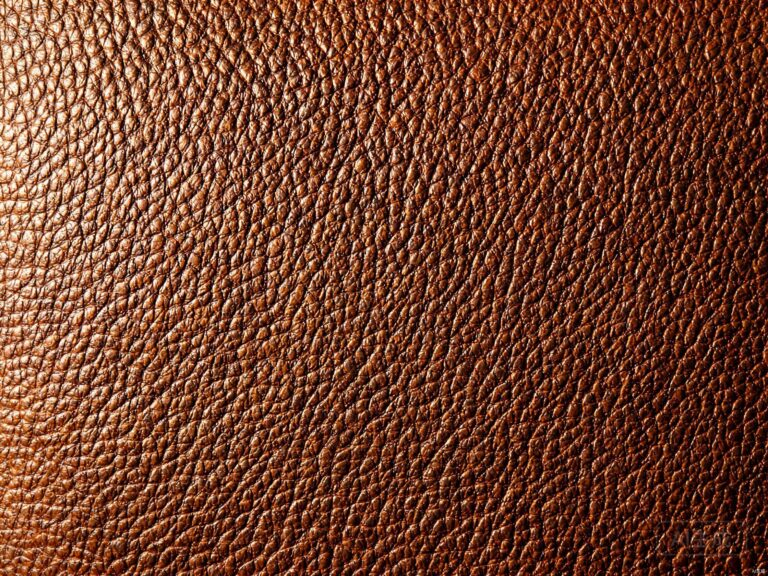
A full wall of artificial leather upholstery swatches shows the color and texture range available for B2B custom orders.
PU vs PVC vs Silicone: Performance Comparison
Running an artificial leather upholstery material types comparison requires looking well beyond surface feel. The underlying polymer determines how the material ages, how it responds to cleaning chemicals, and whether it passes regulatory thresholds in target markets. The table below summarizes the key differences that matter to sourcing decisions.
| Property | PVC Leather | PU Leather | Silicone Leather |
|---|---|---|---|
| Abrasion (Martindale cycles) | 10,000–25,000 | 25,000–50,000 | 50,000–100,000+ |
| Hydrolysis resistance (70°C/95% RH) | 3–7 days | 3–5 days | 14+ days |
| VOC emissions | High (plasticizers) | Moderate (DMF residue) | Near-zero |
| UV stability | Poor | Moderate | Excellent (Si-O bond) |
| Cleanability | Moderate (stains on wear) | Good (until coating breaks) | Excellent (non-porous surface) |
| Typical cost index | 1.0x (baseline) | 1.3–1.8x | 2.0–2.5x |
The cost gap between silicone and conventional PU has narrowed as silicone production scales up. When you factor in replacement cycles and warranty claims, the total cost of ownership often favors the higher-grade material. A detailed silicone vs PU comparison can help quantify that difference for your specific application.

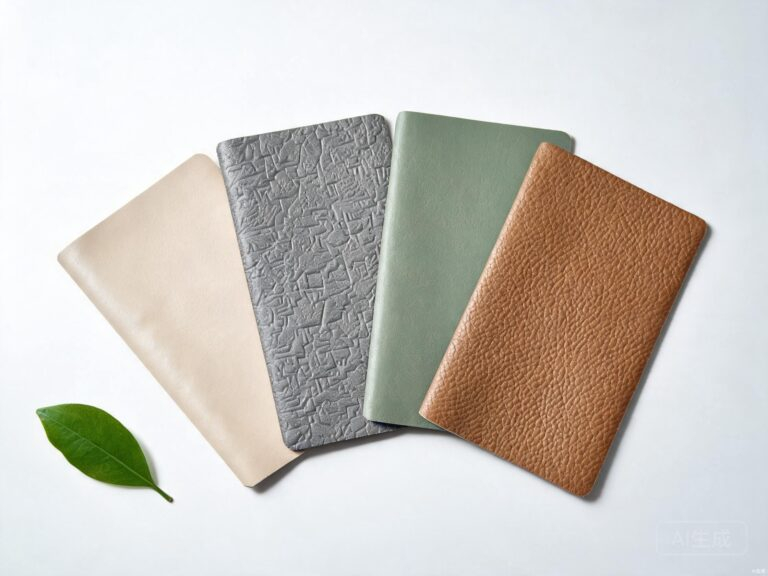
Swatch racks like these let buyers compare hand-feel and color consistency across polymer types before committing to bulk orders.
Key Performance Specs for Artificial Leather Upholstery
An artificial leather upholstery durability rating tells you more about long-term value than any marketing brochure. These are the specifications that separate reliable materials from warranty claims waiting to happen:
- Abrasion resistance (Martindale cycles): Commercial upholstery should exceed 50,000 cycles. Premium silicone leather routinely surpasses 100,000.
- Hydrolysis resistance: Results at 70°C/95% RH for 7+ days indicate whether the material survives humid environments. PU typically degrades at 3–5 days; silicone leather shows no visible change after 14 days.
- Color fastness (ISO 105-B02): Grade 4–5 minimum for automotive and hospitality applications.
- VOC emissions: Look for VDA 270 or GB/T 27630 compliance, especially for automotive interiors where cabin air quality is monitored.
- Flex resistance: Bally flex test results above 50,000 cycles prevent cracking at stress points like seat edges and armrest curves.
In our testing lab, we’ve seen budget PU samples delaminate after just 96 hours of hydrolysis testing, while silicone-coated samples emerged intact after the full 336-hour cycle. That gap translates directly to warranty cost differences over a 5-year service life.
Key takeaway: Always request accredited lab test reports — not supplier self-declarations — for Martindale, hydrolysis, and color fastness data. The gap between claimed and verified performance is widest in the budget PU segment.

Martindale abrasion testing quantifies how artificial leather upholstery withstands repeated rubbing — a critical spec for high-traffic commercial seating.
Watch how silicone, PU, and PVC artificial leather perform under side-by-side material comparison testing.
Where Artificial Leather Upholstery Performs Best
Different use cases demand different material profiles. The best artificial leather for furniture upholstery isn’t necessarily the right choice for automotive door panels. Matching material chemistry to application environment is where procurement teams add the most value.
- Furniture and hospitality: Prioritize stain resistance, cleanability, and color consistency across large production runs. Silicone leather excels here because its non-porous surface resists coffee, wine, and sanitizing chemicals without staining or degrading.
- Automotive interiors: Weight, fogging characteristics, and UV stability drive selection. Silicone leather’s low fogging values (under 0.5 mg per VDA 270) make it suitable for EV cabins where air quality monitoring is increasingly standard. The automotive interiors application page covers OEM-grade requirements in detail.
- Marine and outdoor: UV resistance and salt spray tolerance are non-negotiable. Silicone’s Si-O backbone is inherently UV-stable, unlike PU’s C-C bonds that break down under prolonged sun exposure.
One of our furniture clients switched from conventional PU to silicone leather for a 2,000-unit hotel project. After 18 months in service, the silicone-covered chairs showed zero cracking or peeling, while the PU reference samples in the same property had already begun delaminating at high-stress seams. The client’s maintenance team estimated a 40% reduction in replacement costs over the projected 7-year lifecycle.

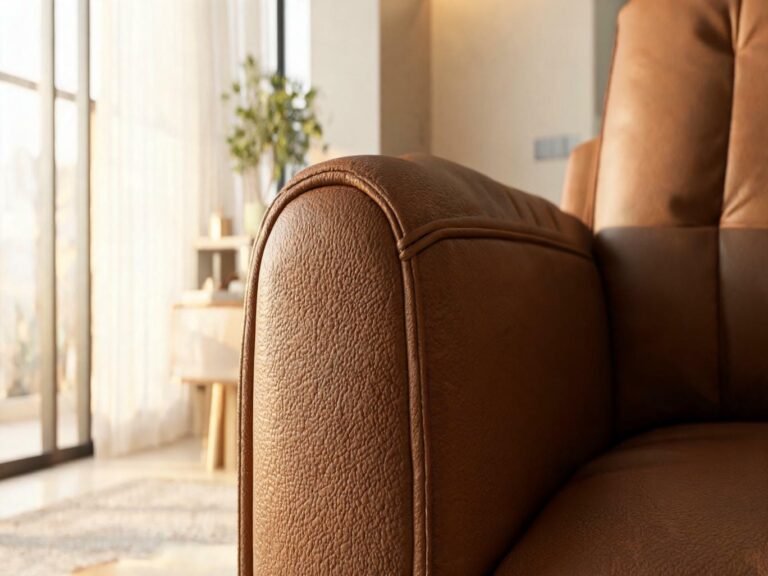
Commercial furniture upholstered in artificial leather must withstand daily wear while maintaining visual appeal across hundreds of units.
Sourcing Checklist for 2026 Projects
Eco-friendly artificial leather upholstery options are no longer a nice-to-have — they’re increasingly a regulatory requirement. Here’s what to verify before signing a supply agreement:
- Request full REACH compliance documentation, including SVHC declarations for all 235+ substances
- Confirm plasticizer-free formulations (especially critical when moving away from PVC)
- Verify ISO 9001 quality management and application-specific certifications (e.g., FAR 25.853 for aviation, EN 1021 for furniture flammability)
- Ask for real test reports from accredited labs — Martindale, hydrolysis, and color fastness data should carry lab identification numbers
- Evaluate the supplier’s color matching capability and MOQ thresholds for custom colors (typical MOQ: 500–1,000 meters per custom shade)
- Check whether the supplier offers artificial leather material guidance beyond the spec sheet — technical support during prototyping saves weeks of trial and error
The 2026 regulatory landscape is tightening on multiple fronts. The EU’s PFAS restriction proposal, updated VOC limits under REACH Annex XVII, and China’s GB 38507 solvent-free push all point in the same direction: materials with inherently clean chemistries will face fewer compliance headaches. Silicone leather’s absence of plasticizers, DMF, and organic solvents positions it well for these evolving requirements.
Frequently Asked Questions
Is silicone leather really worth the premium over PU for upholstery?
It depends on the application’s lifecycle expectations. For short-life consumer products, PU’s lower unit cost may suffice. But for commercial furniture, automotive interiors, or marine applications with 5+ year service requirements, silicone leather’s 3–4x longer hydrolysis resistance and near-zero VOC profile typically deliver lower total cost of ownership despite the 2–2.5x higher material cost.
Can artificial leather upholstery match genuine leather’s breathability?
Fully — no synthetic material replicates genuine leather’s natural pore structure. However, silicone leather achieves measurable moisture vapor transmission through its micro-porous coating structure, outperforming both PVC and conventional PU in breathability testing. For applications where sitting comfort over long periods matters (office chairs, automotive seats), this difference is noticeable in user feedback.
Making the Right Material Choice
The artificial leather upholstery landscape rewards buyers who dig past the category label and into the polymer chemistry. PVC, PU, and silicone each occupy a distinct position on the cost-performance curve, and the right choice depends on the application’s specific demands — humidity exposure, traffic volume, regulatory environment, and aesthetic expectations. By focusing on testable specifications rather than marketing language, procurement teams can source materials that deliver genuine long-term value and avoid the hidden costs of premature failure.
Get a Custom Quote for Your Project
About TOPSUN
TOPSUN manufactures artificial leather upholstery materials for furniture, automotive, marine, and hospitality applications, with full silicone, PU, and PVC polymer systems available for B2B custom projects.
ISO 9001 certified factory · REACH and FDA-compliant silicone formulations · Abrasion testing to 100,000+ Martindale cycles · OEM/ODM color matching from 500m MOQ