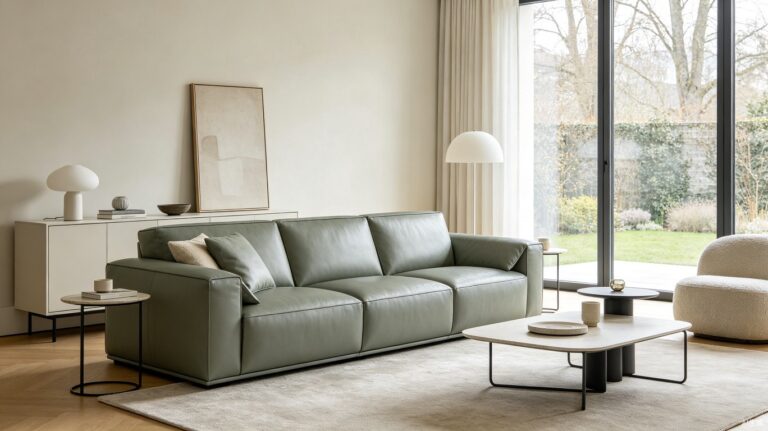
A buyer once sent us two swatch cards from the same supplier. One backed a sofa line. The other wrapped a tablet sleeve. Both carried the same product code. Both failed, in different ways, within a year. That story captures the core trap of buying artificial leather products by appearance alone. The market behind them is enormous and fragmented. Analysts value synthetic leather at roughly USD 48 billion in 2025, and China alone supplies about 28% of it. Yet no single recipe serves every end use. A film that survives a sofa frame will split on a bag fold. This guide maps the major product categories and the demands each one writes into the material.
Artificial Leather Products: The Category Map
Product catalogs hide more variety than buyers expect. The same coating line that runs a 1.3 mm sofa cover may also run 0.6 mm film for phone cases. Four product families dominate most order books: seating, furniture, bags and small goods, and electronics accessories. Each family writes its own demands into the base fabric, the coating thickness, and the surface finish. Treat them as separate products, not one material sold in different widths.
- Transport seating: abrasion cycles, fogging limits, and flame behavior.
- Furniture and sofas: softness, hydrolysis life, and batch color consistency.
- Bags and small goods: fold endurance, edge paint grip, and cutting yield.
- Electronics accessories: thin gauge, low gloss, and skin-contact safety.
Two smaller families round out the map. Footwear uppers ask for breathability and flex at the vamp. Medical and salon seating asks for wipe-clean surfaces with anti-bacterial finishes. Both follow the same rule: the use writes the spec. The catalog page never will.

One rack, many product families. The color card is the start of the spec, not the end.
Automotive Seating: Cycles, Fog, and Flame
Car interiors are the harshest classroom for any coating. A modern EV uses roughly 8 to 12 square meters of coated material across seats, door cards, and console wraps. Specifications read like an exam paper. Abrasion must pass 100,000 Martindale cycles. Fogging must stay under a defined glass test. Flame behavior must meet FMVSS 302. PU films on a woven substrate usually win this family. PVC still appears in entry trims, but plasticizer migration clashes with cabin fogging limits. When we quote artificial leather products for seating, the test list matters more than the swatch.

Seating grades live and die on cycle counts, not on first impressions.
Batch consistency is the quiet spec. A seat program runs thousands of meters, and a 0.05 mm thickness drift can shift sewing behavior mid-roll. Buyers should demand thickness tolerance in writing, plus a Delta E color limit between rolls. Ask for a retained header sample from every batch as well. When a dispute appears months later, that small strip settles it.
Program buyers can see how these demands translate into offers on our automotive interiors page, where cycle targets and trim levels are listed side by side.
Furniture and Bags: The Feel-First Families
Furniture judges a material by decade, not by quarter. A sofa cover faces sunlight, body oils, and constant flex across a frame. Hydrolysis resistance and hand feel therefore lead the specification. Color consistency matters just as much, because one living room rarely orders one sofa. Batch-to-batch Delta E control keeps a three-year replacement panel looking like its siblings.
Bags judge on a different clock. A tote folds thousands of times at the same points, so fold endurance and coating adhesion decide whether corners crack. Edge paint also needs a surface it can grip. Many bag makers prefer semi-PU or microfiber bases for exactly this reason. In both families, test the material in finished form, not on a flat card.

Finished-form testing reveals fold cracks that a flat swatch card never shows.
Hydrolysis numbers separate the tiers. Commodity PU often shows surface cracking in 3 to 5 years under heavy use. Hydrolysis-resistant formulations push that window well past a decade in accelerated humidity testing. The price gap between the two grades is small at the roll level. The warranty gap at the sofa level is not.
Electronics and Small Cases: Thin-Gauge Territory
Phone sleeves, laptop wraps, and headphone pads push the gauge down. Coatings here often run below 0.8 mm, where every handling flaw shows. Gloss must stay low, because fingerprints announce themselves on shine. Skin contact sets its own bar, since cases rest against hands and ears for hours. Solvent-free coating lines help; producers report VOC cuts above 80% on such processes. Our 3C accessories page lists current gauges and surface options for this family.

Thin-gauge work rewards clean lines and matte surfaces over showy gloss.
Matching Artificial Leather Products to the Right Chemistry
Chemistry choice follows the category, and the pattern repeats across our order book. The table below condenses what product lines usually demand from artificial leather products before a purchase order gets signed.
| Product Family | First Spec to Check | Chemistry That Fits | Classic Failure |
|---|---|---|---|
| Transport seating | Abrasion + fogging | PU on woven substrate | Plasticizer fog on glass |
| Sofas and furniture | Hydrolysis life | PU or silicone | Peel at armrest seams |
| Bags and goods | Fold endurance | Semi-PU or microfiber | Coating crack at flaps |
| Electronics cases | Thin gauge + low VOC | Solvent-free PU | Gloss shows every print |
Cost math looks different once the use sets the gauge. A seating program spends more per meter but wins years of service life. A case program spends less per meter and competes on finish quality. Cheap film in either slot fails early, and replacement costs erase the savings. Our factory quotes at a 500-meter MOQ, so a trial line does not need a warehouse to prove itself.
Sampling closes the gap between card and product. Our samples center ships cut panels in your target gauge and color. For category-specific test data, contact our product desk and we will match the spec sheet to your use case.
Artificial leather products succeed when the buyer starts from the use, not from the swatch. A seat, a sofa, a bag, and a case each pull a different lever: cycles, years, folds, or grams. Name the category first, then the chemistry, then the price. That order keeps product lines out of failure reports. It is also how we scope every artificial leather products program we quote.
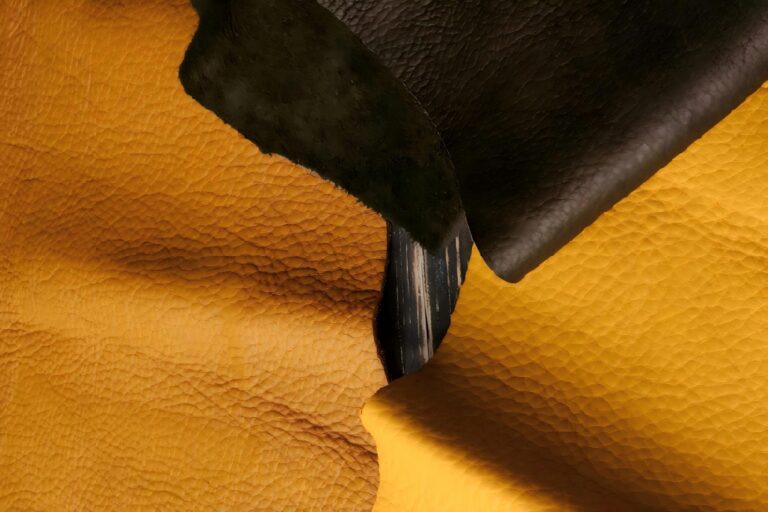
Texture variety across product families: one chemistry family, many surfaces.