Apa itu synthetic leather? In plain English: synthetic leather is a man-made material built to look and feel like animal hide. It is almost always a fabric base coated with a polymer layer. Indonesian catalogs call it kulit sintetis, and the term covers everything from budget PVC upholstery to high-spec silicone-coated rolls. The definition is simple. Choosing the right version for your product is not. That is where most sourcing mistakes happen.
The stakes are real for Southeast Asian manufacturers. Indonesia’s furniture export value reached roughly USD 2.39 billion in 2025. The industry has run a trade surplus every year since 2021. Most of that volume ships to buyers in the United States, Europe, and Japan. Each market brings its own compliance and durability expectations. Understanding the material, and where each type fits, decides between a repeat order and a container of claims. This guide answers the definition question first. It then walks through manufacturing, the three main families, and the checks before any purchase order.
Apa Itu Synthetic Leather? The Definition Buyers Actually Need
Strip away the marketing language and every synthetic leather shares the same anatomy. There is a textile base, usually woven, knitted, or non-woven fabric. On top sits a polymer coating that carries the color, the embossed grain, and most of the performance. Run your finger across the back of any roll: if you feel fabric, you are holding synthetic leather. Genuine hide has a fibrous, collagen-based back and an uneven thickness that no textile matches.
The polymer on top varies by chemistry, and that variation drives price, lifespan, and compliance. Polyurethane (PU) coatings are soft and fashion-friendly. PVC coatings are cheap and tough but carry plasticizer concerns. Microfiber builds a dense non-woven core that mimics hide structure more closely. Silicone coatings are the newest engineering step, solvent-free and hydrolysis-resistant. When a buyer asks us apa itu synthetic leather, we answer with this layered picture. The word itself tells you almost nothing about which roll you will receive.
Three properties follow directly from the definition, and they explain the category’s popularity:
- Consistency: coated rolls are uniform across the width and from batch to batch, unlike hide-to-hide variation
- Cost stability: pricing tracks polymers and fabric, not cattle markets
- Clean labeling: 100% animal-free, which simplifies vegan marketing claims
How Synthetic Leather Is Made: Fabric Base Meets Polymer Coating
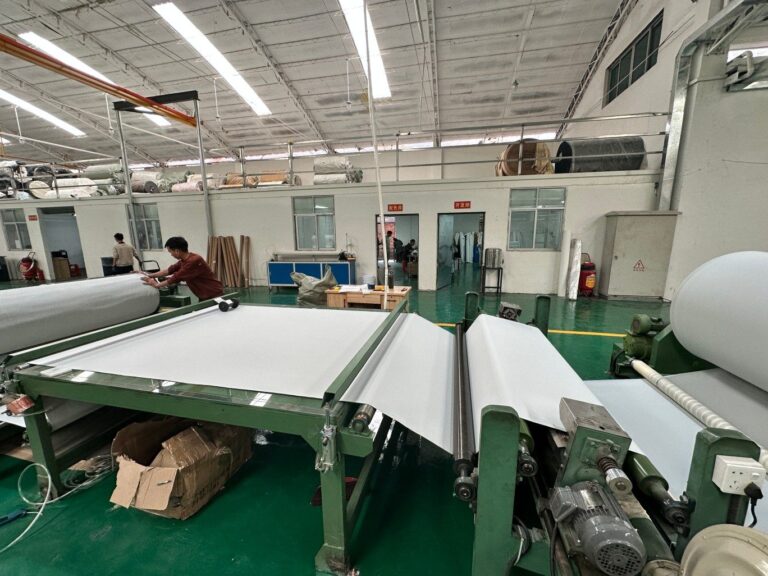
Production starts at the unwinder. The base fabric is spliced, tensioned, and inspected before anything touches it. Coating defects trace back to base defects more often than to chemistry. A primer layer then bonds the fabric to the polymer that follows. From here the line splits by product type. Direct coating applies the polymer paste through a knife or roller gap. Transfer coating casts the polymer onto release paper first, embosses the grain into it, and laminates the fabric second.
The curing and finishing stages decide durability. Ovens set the coating at controlled temperatures. Calender rollers tune gloss and texture. In-line gauges monitor thickness so a 1.2 mm spec does not drift to 1.0 by the end of the run. At our own plant, every order ships with SGS test reports. Third-party inspection from SGS, BV, or TÜV is welcome on the floor. If a prospective supplier cannot describe their curing and thickness controls in detail, treat it as a signal about what else is unmanaged.

Every synthetic leather starts here: base fabric inspected before coating.

Transfer coating: the polymer is cast and embossed on release paper before lamination.
The Three Families: PU, PVC, and Microfiber
PVC synthetic leather is the budget workhorse. It resists water and abrasion well and costs the least, but plasticizers migrate out over time, the surface stiffens, and regulated markets push back on the chemistry. It still suits short-cycle products and price-driven programs.
PU synthetic leather is the volume leader in furniture and fashion. It drapes better than PVC and embosses cleanly, but conventional PU hydrolyzes in humid conditions, with a typical service life of 3-5 years. Full-PU and semi-PU constructions trade cost against durability within this family.
Microfiber synthetic leather uses a needle-punched non-woven core of ultra-fine fibers, then binds and coats it. The structure is the closest man-made imitation of hide. It offers high tensile strength and a natural hand feel, at a price closer to entry-grade genuine leather.
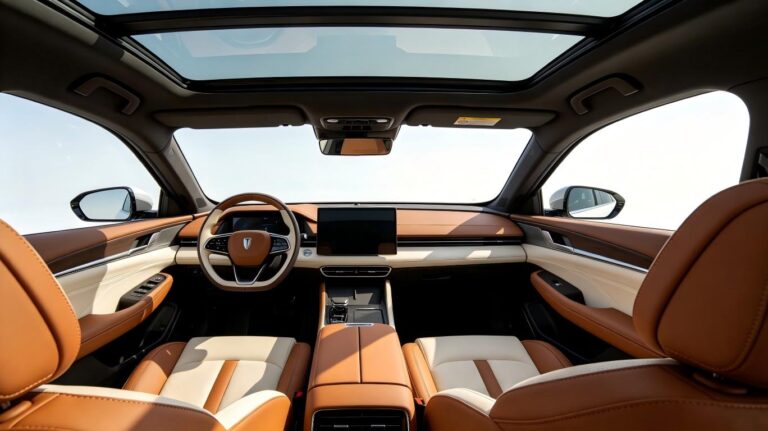
A fourth option sits outside the traditional three: silicone-based synthetic leather. It contains no plasticizers or solvents and holds 10-15 years in service. It also passes hospital-grade disinfection and automotive standards such as FMVSS 302. For export programs facing strict chemical compliance, it is the family worth adding to the comparison. Our silicone leather introduction page covers the chemistry in depth.
Why the Difference Matters for Furniture Exporters
An Indonesian sofa factory ships into climates its own workshop never sees. Think dry heating winters in North America, coastal humidity in Europe, and sun-belt UV in Australia. A PU grade that performs in a Jepara showroom can hydrolyze within two years in a humid Houston apartment. The claim lands on the exporter, not the coating supplier. Material choice is therefore a market-entry decision, not just a cost line.
Compliance adds the second filter. REACH in Europe restricts specific substances. California Prop 65 lists others. Food-contact or kids’ applications pull in FDA rules. Silicone-based material clears these bars by formulation, with non-detect VOC results under ISO 16000-6. That simplifies documentation for buyers who audit their supply chains. The comparison with genuine leather still matters too. Hide wins on patina and prestige. Coated materials win on consistency, weight, and cutting yield. That is why mid-market export furniture runs overwhelmingly on synthetic leather across our furniture and sofa applications.

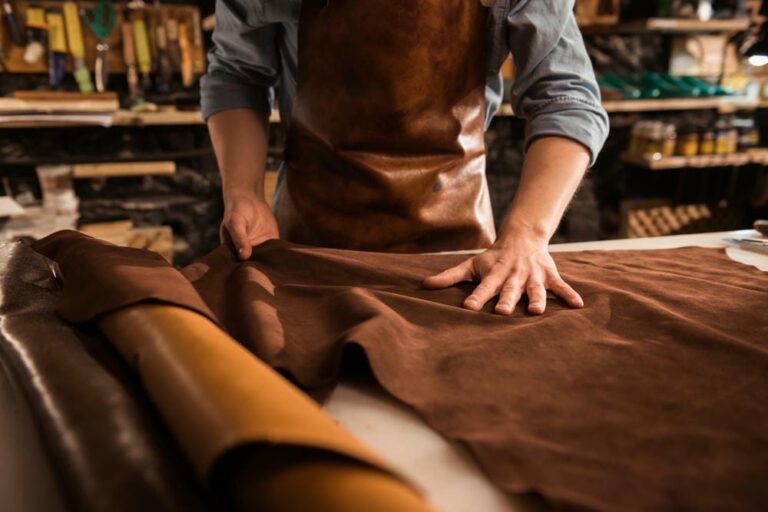
Genuine hide for comparison: fibrous back, hide-to-hide variation, premium price.
The 5-Point Check Before You Approve a Synthetic Leather
Whatever family you shortlist, convert the definition into five written requirements. Vague samples come from vague specs.
- Abrasion number, not adjectives. Martindale cycles matched to application: roughly 20,000+ for residential seating, 200,000+ for contract grade.
- Hydrolysis aging data. An 85°C / 85% RH chamber test over 10+ weeks predicts humid-climate survival far better than a hand-feel judgment.
- Compliance file. REACH, PAHs, and Prop 65 documentation per formulation, not per product family.
- Color discipline. Pantone or RAL reference with a numeric Delta E ceiling per batch, plus color fastness Grade 4 or better.
- Verification rights. SGS reports with every order and open access for third-party inspection.
These five points cost nothing to demand. They prevent the two most expensive failures in export furniture. One is a peeling surface in year two. The other is a blocked shipment over missing chemical paperwork. An eco-friendly silicone leather grade answers most of the five by default. That is why we position it for regulated markets.
Which Synthetic Leather Belongs in Your Program?
Work down this decision path before you request quotes:
- Short-cycle, price-led product with no chemical compliance pressure → PVC or entry PU
- Mid-market furniture and fashion in temperate markets → quality PU with verified hydrolysis data
- Premium hand feel near hide, without hide cost → microfiber
- Humid or sun-exposed service, regulated export markets, kids or medical contact → silicone-based synthetic leather
If two answers overlap, sample both and run the five-point check side by side. We ship swatch sets across Southeast Asia with a 7-15 day production lead time on orders from 500 meters. The comparison costs days, not quarters.
Is synthetic leather the same as faux leather?
In practice, yes. Faux leather, synthetic leather, kulit sintetis, and imitation leather all describe man-made leather alternatives. The useful differences sit one level down: whether the coating is PU, PVC, microfiber, or silicone. The test data behind each roll matters just as much.
Does synthetic leather peel in humid climates?
Conventional PU does, because hydrolysis breaks down the coating in 3-5 years in humid service. Silicone-based synthetic leather contains no plasticizers and no hydrolysis-prone bonds. That is how it reaches a 10-15 year service life in the same conditions.
Request a Type-Comparison Sample Set
About TOPSUN
TOPSUN manufactures silicone-based synthetic leather for furniture, automotive, and medical buyers across 30+ countries, with export programs supported from 500-meter MOQs.
100% solvent-free silicone coating, non-detect VOC per ISO 16000-6, hydrolysis resistance verified in 85°C/85% RH chamber testing, Martindale up to 200,000+ cycles, and SGS reports with every order.
References
1. https://55tv.co.id/strategi-baru-dongkrak-indus… — Indonesian furniture export value reached USD 2,390.68 million in 2025, with a trade surplus every year since 2021
2. https://id.winiwpuleather.com/what-is-synthetic… — Definition of kulit sintetis and its common types: PU leather, PVC leather, and microfiber