The question “is faux leather real leather?” sounds simple, and the core answer is simple too: no. Faux leather is a polymer coating on a fabric base, not tanned animal hide. After years of grading hides and sorting supplier claims, I can tell you one thing. The boundary is blurrier than most answers admit. Between the full-grain hide and the pure plastic sheet sits a gray zone of bonded and bicast materials. That zone is where buyers actually get misled. Here is the whole spectrum, and how to place any product on it.
Why the Confusion Exists at All
Three labeling habits keep the question alive. First, “genuine leather” sounds like a quality claim but is not. It is real hide, usually from the lower layers left after premium cuts are split away. That origin makes it perform closer to a budget material than its name implies. Second, marketing names like “vegan leather” and “leatherette” borrow leather’s prestige for polymer products. Third, and least understood, bonded and bicast leathers sit physically between hide and plastic.
Bonded leather is shredded hide scraps glued with polyurethane onto a fiber sheet. The leather fiber content can run anywhere from roughly 10% to 90%. Bicast leather starts as a split hide but receives a heavy polyurethane surface layer that does most of the work. Both contain real leather. Neither behaves like it. A buyer who meets only these hybrids can fairly conclude that faux leather is real leather, sort of. The industry does little to correct them.
The Spectrum From Hide to Polymer
Placing every material on one scale settles most arguments:
| Material | Animal hide content | What it really is |
|---|---|---|
| Full-grain leather | 100% | Entire grain layer intact, highest grade |
| Top-grain / genuine | 100% | Real hide, split or finished layers |
| Bicast leather | Partial | Split hide with thick PU surface layer |
| Bonded leather | 10-90% fibers | Shredded scraps glued to a fiber sheet |
| Faux leather (PU / PVC) | 0% | Polymer coating on fabric base |
| Silicone leather | 0% | Silicone polymer surface, vegan by chemistry |
Read the table honestly and the answer to our question becomes structural. Anything below the bonded row is imitation by chemistry, whatever the marketing says.

Grading starts with the hand: hide behaves like skin, polymer does not.
Four Tests That Settle It on the Spot
Tannery inspectors run the same four checks on any unknown hide. Buyers can run all of them in a shop:
- Read the label. “Full grain” or “top grain” signals real hide. “Man-made material,” PU, or a missing material line signals synthetic.
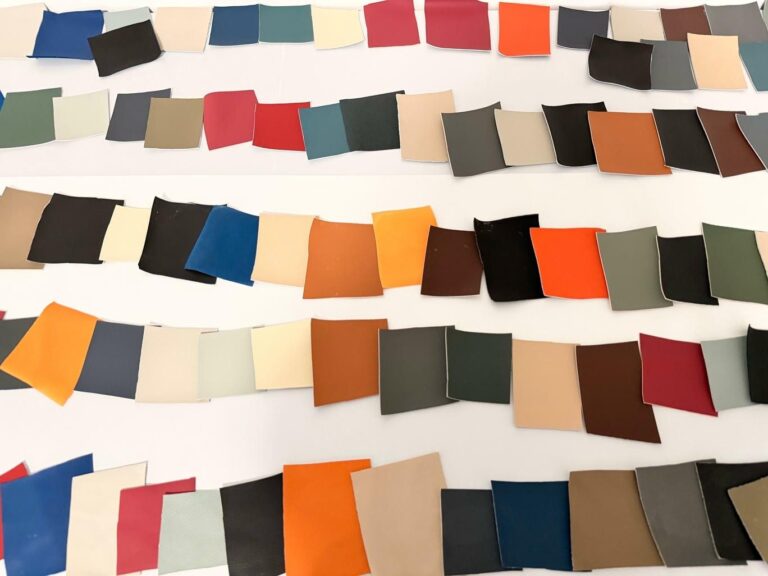
- Study the grain. Real grain is irregular and never repeats. A machine-stamped pattern shows a visible repeat across a large panel.
- Press it. Hide wrinkles around your thumb like skin, then settles. Polymer dents and springs back like foam.
- Smell it. Hide carries a warm, organic scent chemistry has never replicated. Plastic smells like plastic.
No single test is foolproof, so run all four. Skip the burn test you may have read about online. It damages the goods, and the four checks above catch nearly every fake.

Side by side, the grain pattern tells the story before any test does.

The water drop test: untreated hide drinks, polymer surfaces bead.
What the Label Is Legally Required to Say
This is where opinion ends and regulation begins. Under the United States Federal Trade Commission’s leather guides, calling a product “leather” when it is not composed in all substantial parts of leather is deceptive. Bonded and reconstituted materials must disclose the percentage of leather fibers and of non-leather substances, on the product and in advertising. Backing material must be disclosed when it is not apparent on casual inspection.
The disclosure principle travels well beyond one market. Export buyers should expect the same clarity from every region they source in. Wherever the goods ship, the rule of thumb holds. A name that hides the chemistry is a name that shifts the risk onto you. Make disclosure a line item in your supplier scorecard, right after the test reports.
The practical takeaway for buyers is straightforward. A supplier who discloses chemistry freely is describing their material. A supplier who leans on the word “leather” without qualification is borrowing trust the chemistry did not earn. Our own silicone leather introduction names every layer for exactly this reason, and the microfiber product page shows cross-sections, because structure is the honest part of any material story.
And Neither Answer Is Automatically Better
Real hide develops a patina and lasts decades in the right hands. Faux leather cleans easily, costs less, avoids animal products, and suits high-moisture interiors where hide would swell. Modern synthetics, especially silicone surfaces rated for 200,000+ abrasion cycles, outperform low-grade hide in contract settings by any measurable standard. Buyers comparing end-use behavior across the spectrum can see full-room results on our applications overview.
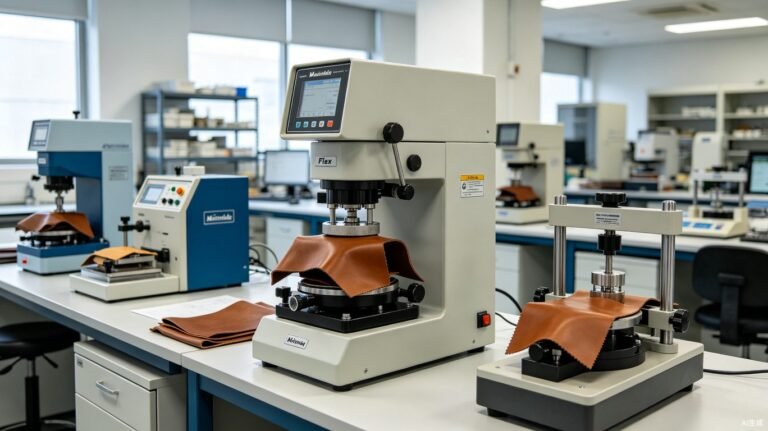
Durability testing across chemistries: hide, PU, and silicone under the same rig.
The Label That Decides
Faux leather is not real leather, bonded leather is barely leather, and “genuine leather” is a grade claim that grades nothing. One habit protects you through the entire spectrum: buy the disclosed chemistry, not the borrowed name. Suppliers who name their layers deserve your shortlist; the rest are selling a word.
References
- https://buffalojackson.com/blogs/insight/how-to… — four tests to spot fake leather: label wording, irregular vs repeating grain, skin-like wrinkles vs spring-back, natural vs plastic smell; “genuine leather” is the third grade
- https://www.fashiongoggled.com/how-to-tell-real… — FTC 16 CFR Part 24: unqualified “leather” for non-leather is deceptive; bonded/reconstituted materials must disclose leather fiber percentage; grade definitions full-grain through bonded